
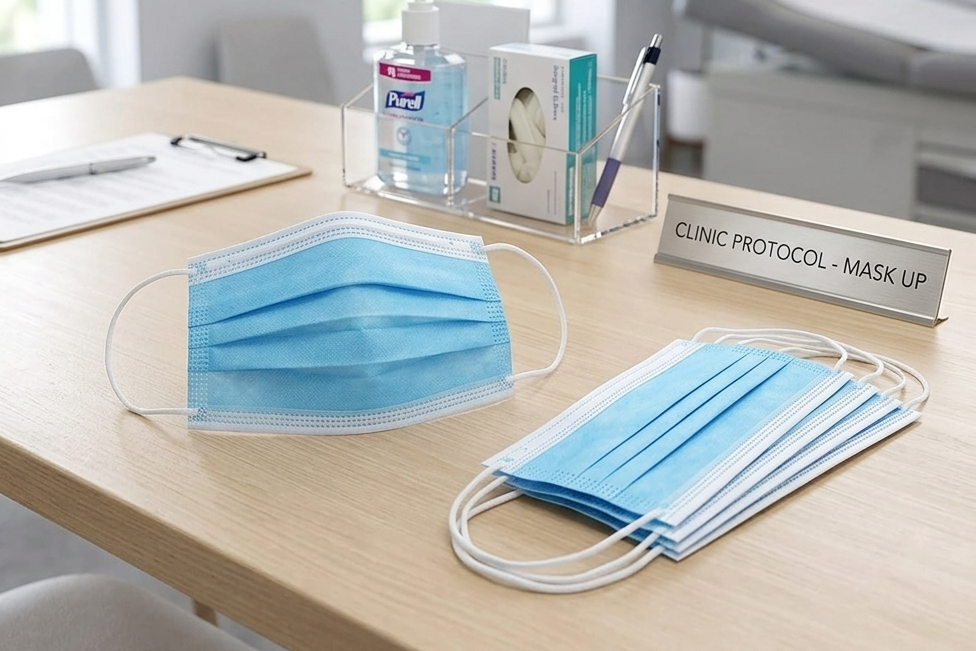
N95 vs KN95 vs Surgical Mask: Which Offers Better Protection?
Apr 20th 2026
It takes just one little decision to determine your level of protection every day. N95 vs KN95 vs surgical mask is often compared by people when deciding on safety. Each mask type varies in working according to filtration, fit, and standards. The awareness of these variations can make you decide on the right protection quickly.
During the outbreak of COVID-19 in the United States, there was a rise in the use of masks. Centers of Disease Control recommends the use of respirators under high risk situations. The protective equipment market expanded quickly and showed high demand. Knowledge of the difference between N95 and KN95 assists in making a better protection decision.
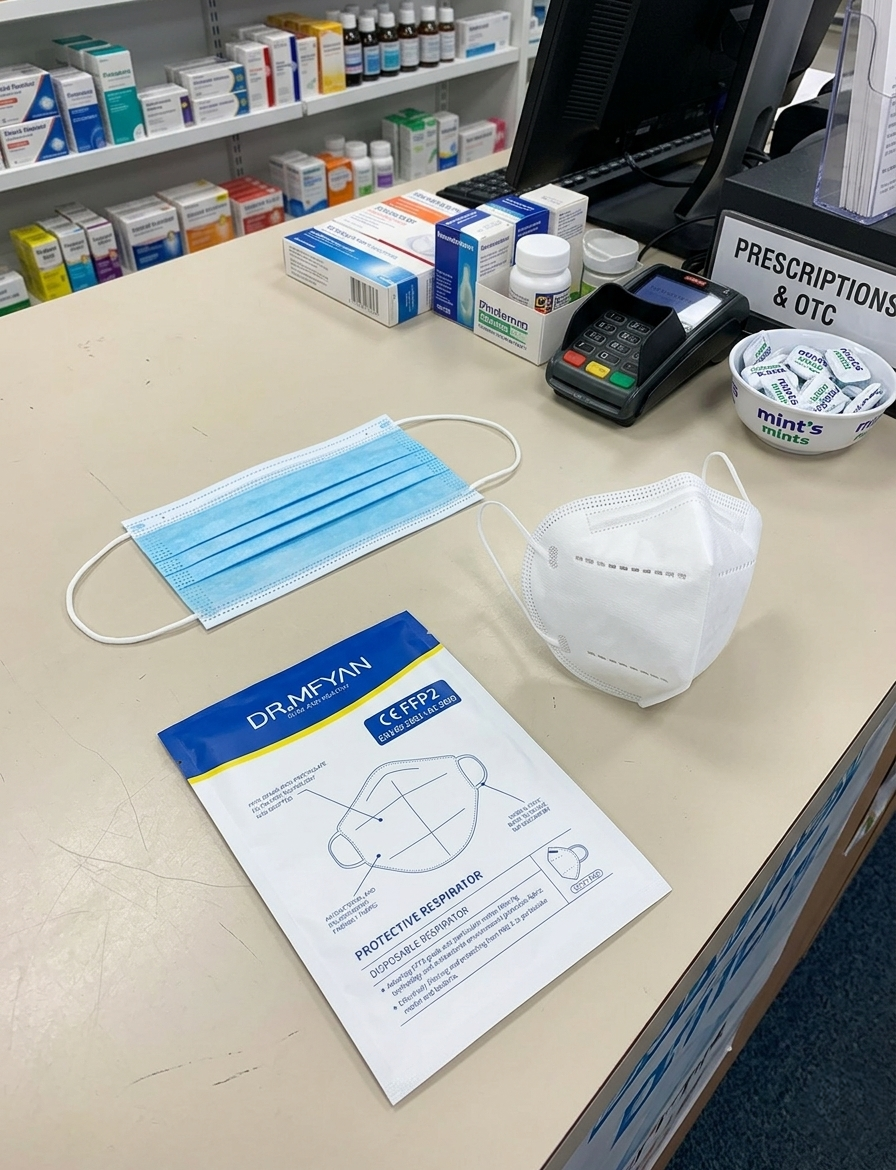
Why Mask Choice Matters in Healthcare Settings
Healthcare workers are also exposed to various risks based on their working conditions. Exposures to airborne particles require higher levels of protection than those related to droplets. Inappropriate mask usage poses a higher risk of infections to patients and staff.
In hospitals, one out of every thirty-one patients gets infected with healthcare every day. Wearing masks helps in preventing infection as well as enhancing safety outcomes. The following aspects are important to consider in choosing a mask:
- Type of exposure such as airborne particles or droplets
- Duration of patient contact in high-risk clinical environments
- Availability of properly fitted masks for staff safety
Knowledge of respirator vs surgical mask enhances protection in healthcare facilities. The proper choice is critical in infection control within hospitals and clinics.
What Is an N95 Respirator?
N95 respirators offer good protection levels against airborne particles and aerosols. They form a close shield around the face stopping the harmful particles. They are employed in high-risk areas where healthcare workers need high levels of protection.
These masks offer reliable performance when exposure risk remains very high. They stand out due to their strong N95 mask filtration capability.
NIOSH Certification and 95% Filtration Standard
N95 masks are of a high standard in the United States. They are capable of filtering ninety-five percent of the airborne particles. The main features of N95 respirators are as follows:
- Certified by the National Institute for Occupational Safety and Health standards
- Tested under strict conditions for consistent filtration performance
- Designed to block fine particles including viruses and contaminants
This high N95 mask filtration level makes them highly trusted worldwide. They remain the gold standard for respiratory protection in healthcare settings.
Fit Test Requirements for Proper Seal
N95 respirators require proper fit testing before regular use in workplaces. A tight seal prevents air leakage from entering through mask edges. Without a correct fit, protection drops even with high filtration material quality.
Studies show poor fit reduces effectiveness in real-life usage situations. Proper fitting maximizes benefits from strong N95 mask filtration levels.
What Is a KN95 Mask?
KN95 masks look similar to N95 respirators but follow different standards. They provide strong filtration but may vary based on manufacturing quality. These masks became widely used during supply shortages worldwide.
Many users compare them to N95 masks for everyday protection needs. Understanding the difference between N95 and KN95 helps avoid confusion.
Chinese GB2626 Standard vs N95
KN95 masks follow China’s GB2626 standard for safety and filtration testing. They also aim to filter at least ninety-five percent of particles effectively. Important details about KN95 certification include the following points:
- Designed to match similar filtration levels as N95 respirators
- Used widely in the United States during supply shortages
- Produced under different regulatory systems compared to NIOSH standards
These points explain overall KN95 effectiveness in many daily situations. Performance may vary based on production quality and design consistency.
Fit and Filtration Differences
KN95 masks usually use ear loops instead of headband-style straps. This design may reduce tightness and affect overall mask sealing. A weaker seal allows air leakage and reduces the protection level significantly.
Because fit matters greatly, KN95 effectiveness varies in real-world usage. Proper wear improves protection but may not match N95 performance fully.
What Is a Surgical/Procedure Mask?
Surgical masks are loose-fitted and primarily for the protection of droplets. They prevent the huge particles such as splashes, sprays, and respiratory droplets. They are common in hospitals during routine patient care procedures.
They provide comfort and easy breathing when working long hours. However, they provide less protection compared to respirators in airborne exposure.
ASTM Level 1, 2, 3 Ratings Explained
Surgical masks follow ASTM standards which determine the level of protection. These grades guide healthcare professionals about the most appropriate types of masks. The three ASTM levels include the following classifications:
- Level one offers low barrier protection for minimal exposure situations
- Level two provides moderate protection for general medical procedures
- Level three gives high protection during fluid exposure situations
These standards help answer which mask is better N95 or surgical clearly. They guide mask selection in many healthcare environments effectively.
Fluid Resistance and Bacterial Filtration Efficiency (BFE)
Surgical masks prevent the emission of large droplets and fluids during work with patients. BFE measures the ability of masks to filter bacteria that come in. Key characteristics of surgical masks include the following properties:
- Designed to resist splashes during medical or surgical procedures
- Provides basic filtration against bacteria in controlled environments
- Offers comfort and breathability for long usage periods
These masks aim to protect from the droplets and not from the air. They point out differences between respirators and surgical masks.
Head-to-Head Comparison
Comparing mask types helps users understand protection levels clearly. This comparison shows how each mask performs in real-world conditions.
- Filtration Efficiency
- N95 respirator filters at least ninety-five percent of particles
- KN95 mask filters similar levels but may vary by manufacturer
- A surgical mask offers lower protection against droplets
- Fit
- N95 provides a tight seal with fit testing requirements
- KN95 offers a moderate seal depending on design and fit
- A surgical mask has a loose fit with minimal sealing
- Certification
- N95 follows NIOSH certification in the United States
- KN95 follows the GB2626 certification standard from China
- Surgical masks follow ASTM standards for medical use
- Protection Type
- N95 protects against airborne particles and droplets
- KN95 provides similar protection with some variation
- A surgical mask protects mainly against droplets
When to Use Which: Clinical Guidance
Mask selection depends on exposure level and clinical situation context. Healthcare workers follow strict guidance based on procedure risk levels. Using the right mask improves safety and reduces the spread significantly.
Understanding usage helps answer which mask is better N95 or surgical. Each mask works best in specific situations depending on exposure type.
Aerosol-Generating Procedures: N95 Required
Doctors use N95 masks during procedures that create airborne particles. These situations increase the risk of inhalation exposure significantly. Common scenarios requiring N95 include the following procedures:
- Intubation and respiratory support treatments in critical care units
- Dental procedures that generate aerosols during treatment sessions
- Emergency airway management in high-risk medical situations
CDC recommends N95 masks for these high-risk procedures. They provide maximum protection in airborne exposure environments.
General Patient Care: Surgical Mask May Suffice
Surgical masks work well in routine care without airborne exposure risks. They protect against droplets during everyday healthcare interactions effectively. Common situations where surgical masks are used include the following cases:
- Regular patient checkups without aerosol-generating procedures
- Basic nursing care in hospitals and outpatient clinics
- Public use in low-risk environments and daily activities
These examples show differences in respirator vs surgical mask usage. Mask choice depends on exposure type and safety requirements.
Counterfeit Masks: How to Identify Authentic Products
Fake masks can reduce protection and increase health risks significantly. Many counterfeit products appeared during periods of high demand worldwide. Users must check the authenticity before trusting the mask protection quality.
The Food and Drug Administration warns about risks from counterfeit masks. These products may fail to meet required filtration safety standards. Ways to identify authentic masks include the following checks:
- Look for proper certification markings on the mask and packaging
- Verify manufacturer details and official regulatory approval information
- Avoid products with unclear labeling or suspiciously low prices
Checking authenticity improves safety and ensures reliable mask performance. This step helps maintain proper KN95 effectiveness in real use.
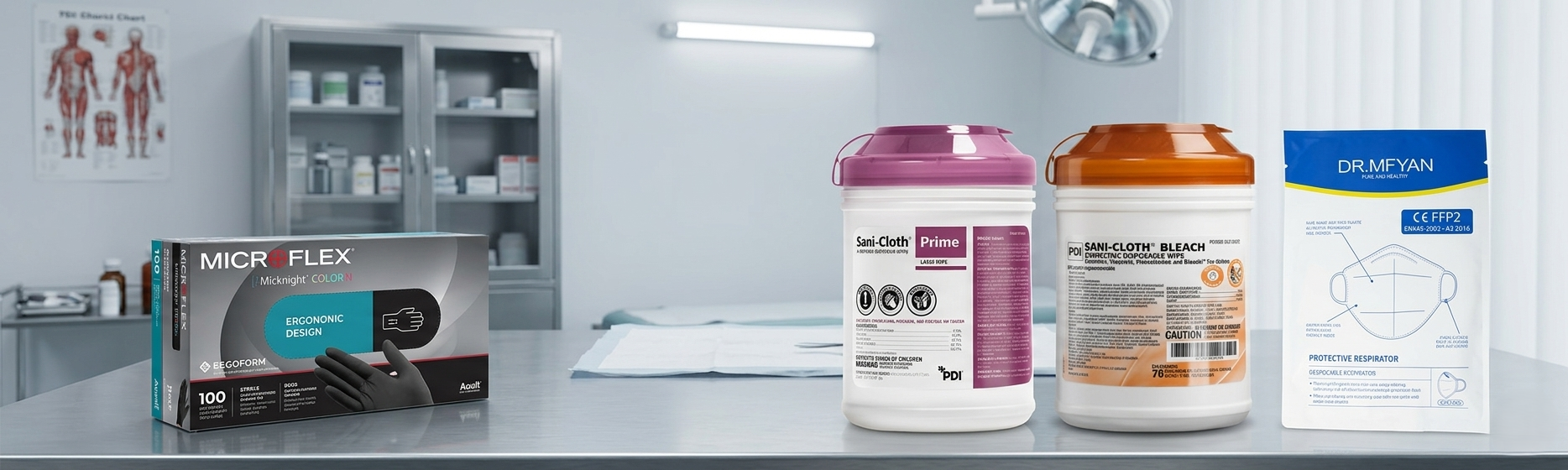
Proper Fit and Seal: Why It Matters More Than the Mask Type
Mask fit plays a major role in protection effectiveness every day. Even strong filtration fails if air leaks through the mask edges. A proper seal blocks unfiltered air from entering the breathing space.
Research shows fit often matters more than filtration material quality. Good sealing improves safety in high-risk environments significantly. Important steps to ensure proper fit include the following actions:
- Adjust straps or loops for a tighter and more secure facial fit
- Check for gaps around the nose, cheeks, and chin areas
- Perform seal checks before entering high-risk environments
Proper fit improves results across all mask types consistently. It strengthens protection in N95 vs KN95 vs surgical mask comparisons.
Each type of mask has a different purpose depending on protection requirements. The N95 is the most protective one, and KN95 is a close variant. Surgical masks are more effective in the daily setting in terms of droplet protection.
Knowing the difference between N95 and KN95 benefits makes more prudent safety choices. Choose your mask based on exposure level and environmental conditions.
Pick the right mask today and protect yourself with confidence.