
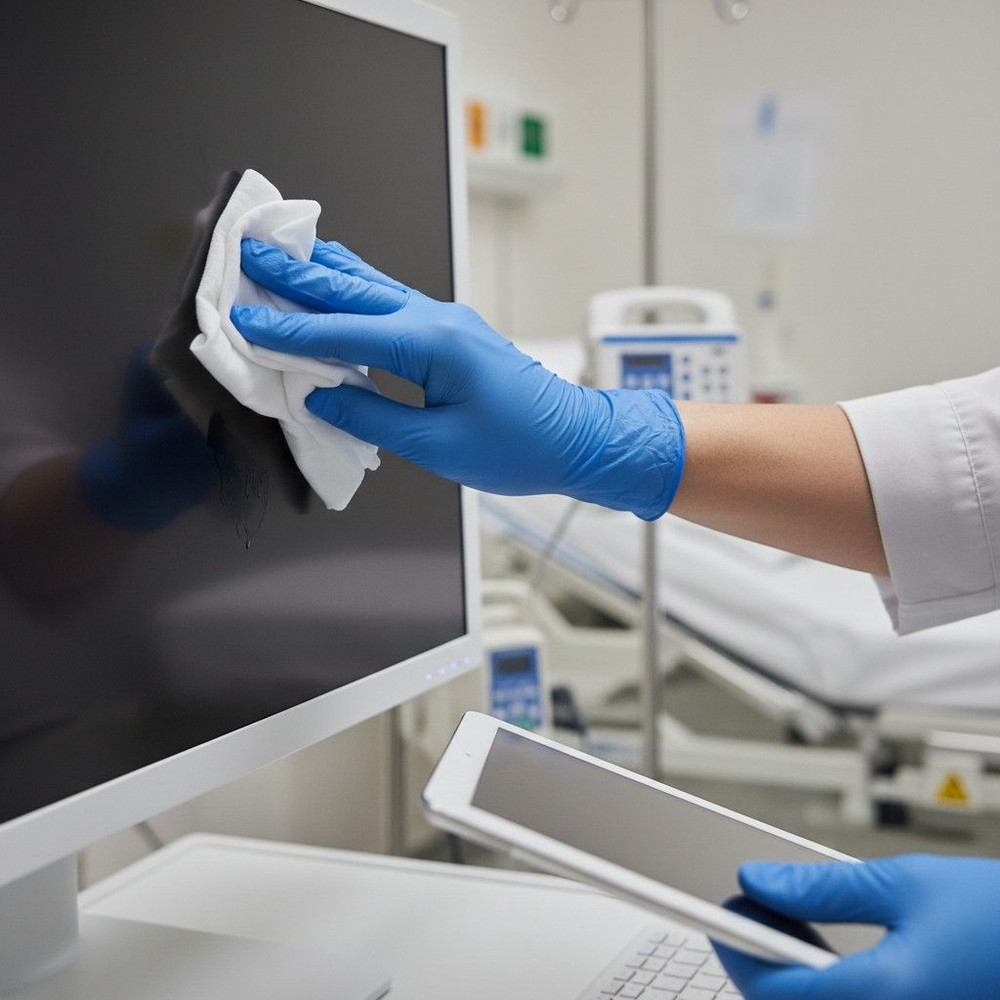
When to Use Alcohol-Free Disinfectant Wipes
Oct 27th 2025
Nowadays, hygiene is more than a concern in any healthcare or commercial environment. Individuals are also moving towards alcohol-free disinfectant wipes to clean themselves more safely. These wipes provide an effective alternative where alcohol-based products are not ideal. They are gentle yet strong and are used to protect sensitive surfaces and skin. The market value of U.S. disinfectant wipes reached over $ 1.8 billion in 2024. Much of that growth was attributed to the increasing availability of non-alcoholic options in public areas and hospitals. This demonstrates that cleaning habits are shifting to more specialized and safer products.
Medical professionals, childcare facilities, and businesses are all gravitating towards disinfectant wipes without alcohol. These wipes assist in managing infection without harsh ingredients. They do not harm children, patients, or electronic equipment, hence they are safe. Guides detailing alcohol vs. alcohol-free wipes may be useful to those who compare such products. Education on their usage will guarantee improved hygiene and the extended lifespan of equipment.
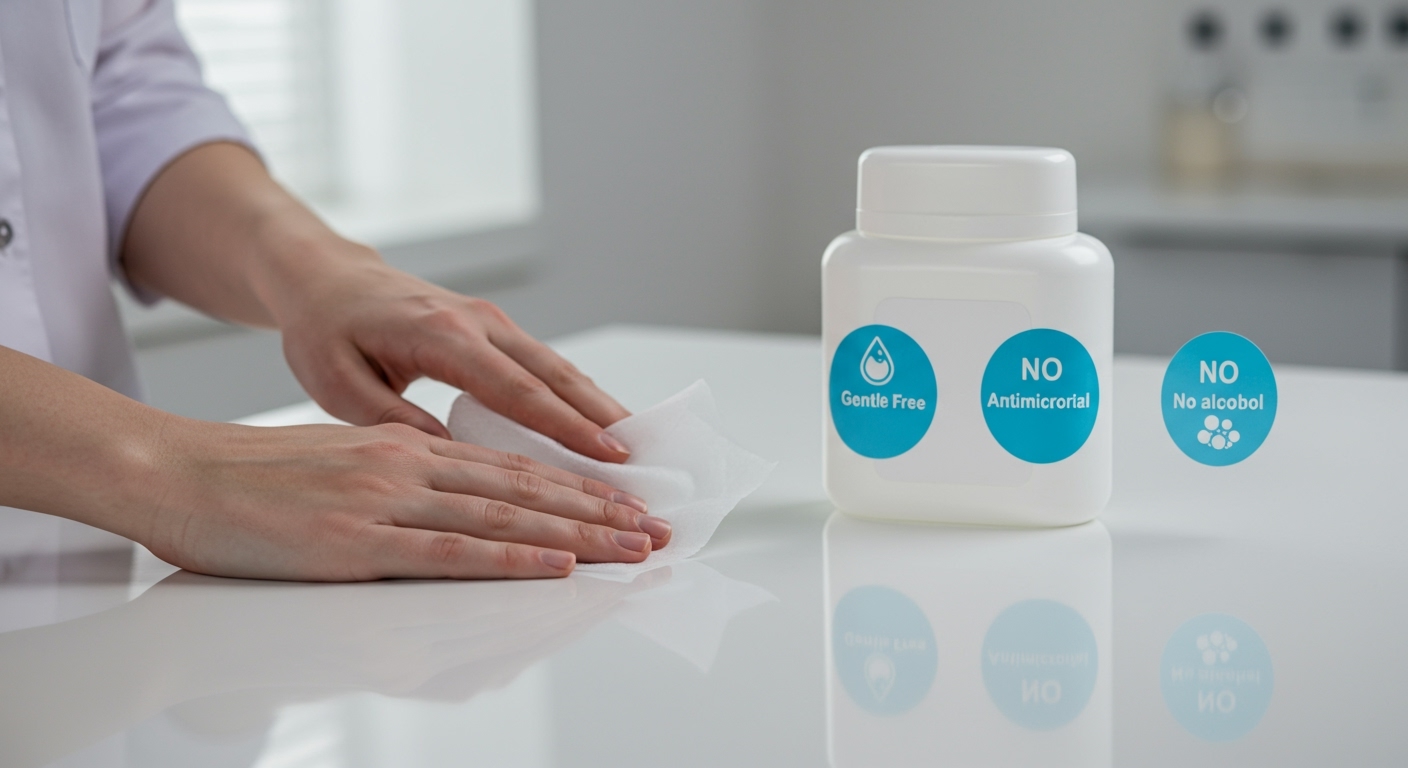
The Benefits of Alcohol-Free Formulations
Alcohol-free disinfectant wipes are taking over the U.S. as they offer good antimicrobial protection without the negative effects associated with alcohol. They are especially appreciated in places where the safety of the surface, comfort of the user, and frequent disinfection are the priorities. As per the U.S. market reports, the demand of non-alcohol disinfectants has increased by 15 percent since 2023, which has happened mainly because of their gentle but effective cleaning properties.
Less Damage to Sensitive Surfaces
Alcohol-based products can damage sensitive surfaces or remove protective coatings. Non alcohol disinfectant wipes, on the other hand, do not harm finishes or screens, and they are also gentle cleaners. These wipes can be used with medical equipment, tablets, and coated furniture. They maintain the quality of the surface while still disinfecting effectively.
They are commonly used in equipment that might be corroded by alcohol in hospitals and clinics. These wipers are also ideal in places that require cleanliness as well as material safety. Use of cleaning wipes without alcohol, with alcohol prep pads, has become common practice in many healthcare centres in the U.S. This helps in ensuring that each surface is treated with the appropriate kind of disinfectant.
Safer for Use Around Certain Equipment
Sensitive instruments such as monitors, scanners, and laboratory devices demand gentle handling. Alcohol may lead to corrosion and leave markings on some medical equipment. This concern is removed with disinfectant wipes without alcohol. They clean without leaving scratches on electrical parts and coated lenses.
These non-alcohol formulations are useful in dental clinics, laboratories, and hospitals. Such wipes comply with the FDA and CDC cleaning policies of health care settings. They are also useful in avoiding costly repairs of equipment caused by chemical reactions. In settings with delicate devices, such wipes can be safely and hygienically used.
Active Ingredients in Non-Alcohol Wipes
Alcohol-free wipes, unlike alcohol-based ones, employ longer-lasting chemical agents that persist post-use of the product due to their post-use nature. These active ingredients are effectively chosen to kill germs and not to cause irritation or surface damage. Benzalkonium Chloride (BZK) and Quaternary Ammonium Compounds (Quats) are the most prevalent products in both medical and commercial applications in wipes in the U.S.
Benzalkonium Chloride (BZK)
Benzalkonium Chloride is one of the primary components in non alcohol disinfectant wipe. BZK is an effective disinfectant that kills numerous bacteria and certain viruses. It functions as a degradation of the microbial cell walls, which assures high protection.
Wipes made of BZK are not toxic to skin and surface cleaning. Most hospitals and clinics rely on benzalkonium chloride wipes over alcoholic ones. They are popular in patient care zones, exam tables, and high hand-contact areas. BZK is also good in frequent washing as it does not dry the skin. They are also effective in places where alcohol may irritate human skin or damage coatings.
Quaternary Ammonium Compounds (Quats)
Quaternary Ammonium Compounds, or “Quats,” are another significant ingredient group in disinfectant wipes without alcohol. The compounds provide prolonged antimicrobial activity. They continue to protect surfaces even after wiping.
Quats are crucial to the day-to-day cleaning of hospitals, laboratories, and food service industries. Quats do not vaporize as fast as alcohol. This provides them with increased time of contact with the surface, enhancing disinfection. Floors, walls, and non critical equipment are also cleaned with quat based wipes. They are popular in various industries in the U.S. due to their versatility.
Comparing Efficacy to Alcohol-Based Wipes
Both wipes that are alcohol based and alcohol-free offer good disinfection, yet their applications vary. Alcohol-based products are fast acting and dry rapidly, hence ideal for instant disinfection. Accordingly, cleaning wipes without alcohol provide extended protection on surfaces.
It has been demonstrated that alcohol-free formulations can kill up to 99.9 percent of the bacteria on non-porous surfaces. This efficacy is similar to alcohol-based wipes. The difference is that non alcohol options do not damage sensitive material. They do not crack, fade, or wear out the surface. Another feature that is appreciated by the users is the fact that alcohol-free wipes cause less irritation to the skin. They are conveniently used in regular use and particularly in the clinical and office environments.
Compatibility always leads to the main advantage. Wipes that are non alcoholic can be utilized in places where the alcohol based ones are inapplicable. This flexibility ensures that they are necessary in mixed-use spaces such as hospitals or schools. These wipes are powerful and effective whether in cleaning the medical equipment or the office desk.
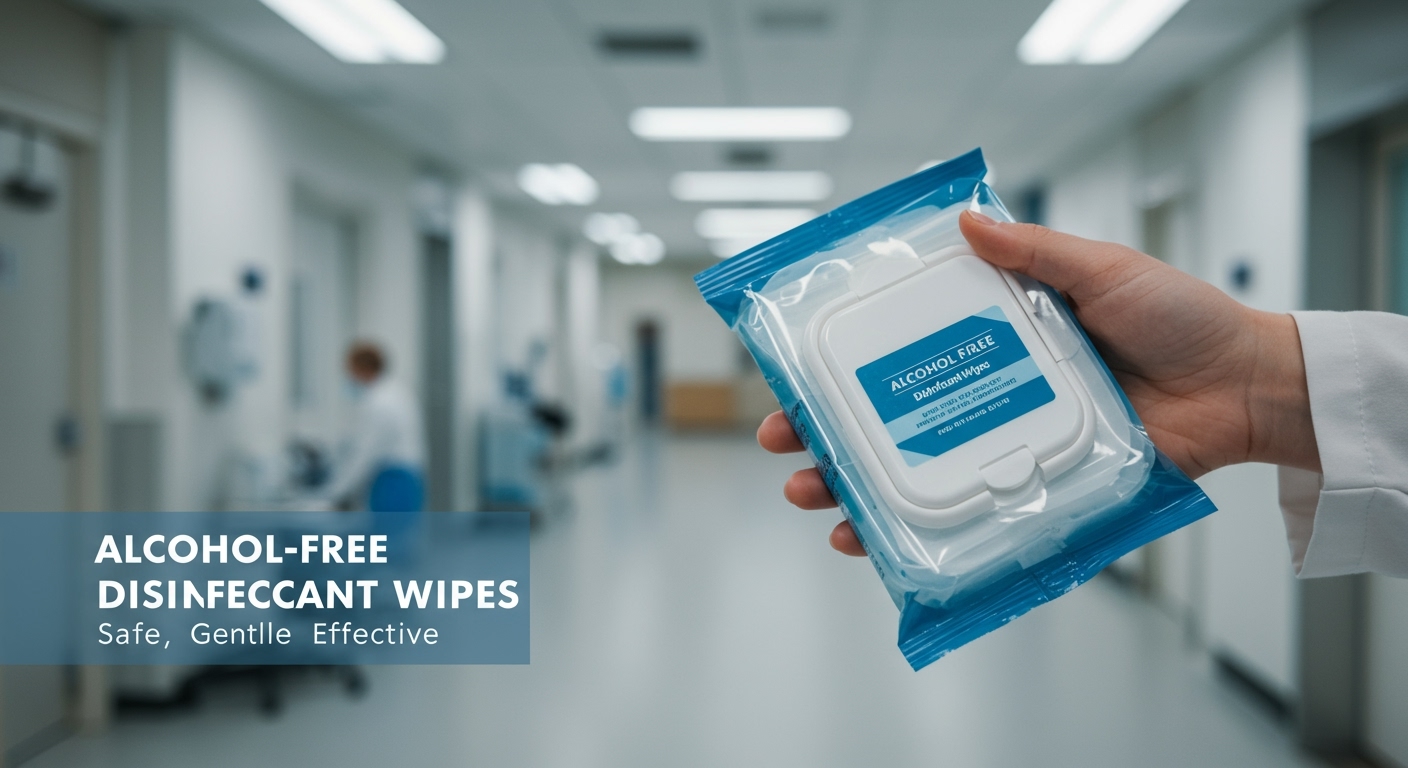
Best Uses for Alcohol-Free Wipes
The wipes that do not contain alcohol are suitable for areas that require gentle but effective cleaning. They are used in healthcare, childcare, and industrial sectors. Examples of common places where alcohol-free disinfectant wipes can be used are:
- Maternity and neonatal units where the skin of the newborns needs protection.
- Elderly care facilities that include individuals with sensitive skin.
- Schools and classrooms to prevent harsh chemicals.
- Electronics or painted office-shared space.
- Labs and clinics have sensitive equipment.
Such wipes would also be useful in the removal of dirt and germs from non-critical surfaces. The plastics or painted areas would be damaged by alcohol when it is used. They also fit very well in normal cleaning activities of the house, where safety is a concern.
Certain facilities use alcohol based wipes and wipes without alcohol to have full coverage. As an example, alcohol wipes may be used in fast disinfection, whereas disinfectant wipes without alcohol are used in sensitive parts. This balance promotes the safety and cleanliness of every part of the facility.
Most organizations combine personal protection equipment and hygiene products. This provides uniformity in infection control across all departments. Correct use of the products decreases the chances of infections and prevents damage to devices and furniture.
Conclusion
Alcohol free cleaning wipes have turned out to be an essential component of the modern cleaning routine. They combine safety, versatility, and functionality both at home and in professional spaces. They have no match in terms of their ability to protect the delicate surfaces and get rid of harmful germs.
The non alcohol disinfectant wipes in the U.S. are on the increase every year. Analysts foresee more than 5 percent per annum growth until 2027. Their gentle but powerful formulas make them applicable to hospitals and childcare centers as well as to offices. These wipes are going to last with evolving technology and hygiene requirements. They are a new benchmark of cleanliness and protection.
To explore professional-grade options, check out the full range of alcohol free disinfectant wipes and disinfectant wipes without alcohol. You can also read detailed insights comparing benzalkonium chloride wipes vs alcohol wipes to choose the best solution for your facility.