
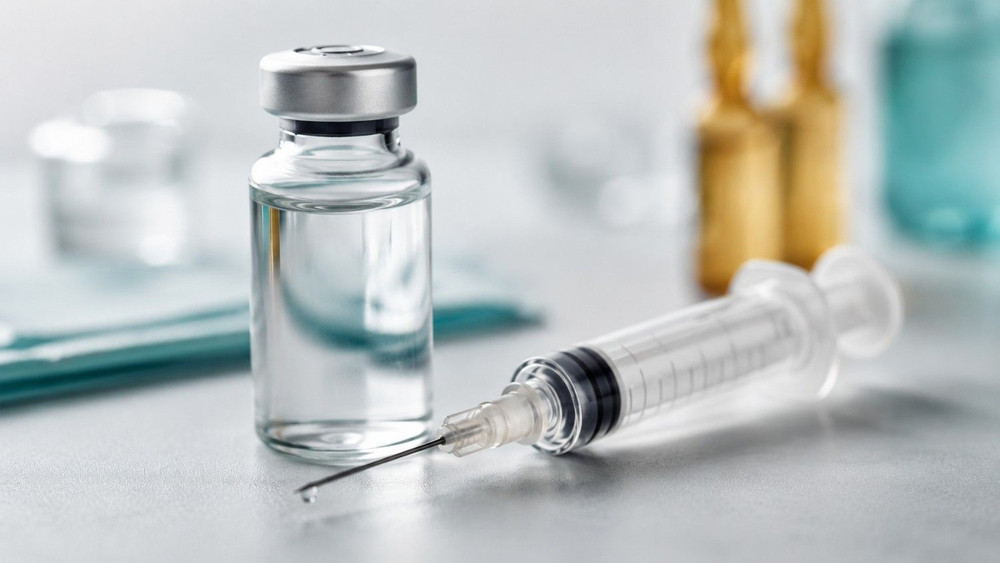
What is Parenteral Use? An Explanation
Aug 12th 2026
The word "parenteral" first appeared in medical literature around 1905, derived from two Greek roots: para ("beside" or "outside") and enteron ("intestine"). Put together, it literally means "outside the intestine" and that's exactly what it describes: any way of getting a drug or fluid into the body that skips the digestive tract entirely. If you've ever had a vaccine, an IV drip, or an insulin injection, you've been on the receiving end of parenteral administration.
What "Parenteral" Actually Means
Most medications people take by mouth have to survive the stomach, get absorbed in the intestines, and pass through the liver before they reach the bloodstream. Parenteral routes bypass all of that. Instead of swallowing a pill, the drug goes directly into tissue, muscle, or a vein, which is also why it's the term used for delivering medication or nutrition to patients who can't use their digestive system at all, as with total parenteral nutrition (TPN) for someone whose gut can't process food.
Why Skip the Digestive System?
The main reason comes down to a concept called first-pass metabolism. When a drug is swallowed, the liver processes it before it ever reaches general circulation. That processing can break down a significant portion of the dose before it does any good. Some medications lose most of their strength this way; others are destroyed by stomach acid before they're even absorbed.
Parenteral routes avoid that loss entirely. An intravenous injection, for example, delivers the full dose directly into the bloodstream; pharmacology references describe IV administration as achieving 100% bioavailability, since none of the drug is lost to digestion or liver processing. That's a big part of why parenteral routes are the default in emergencies, in surgery, and for any medication that needs to act fast or can't survive being swallowed.
The Main Parenteral Routes
Four routes cover the vast majority of parenteral administration:
|
Route |
Where it goes |
Typical use |
|
Intravenous (IV) |
Directly into a vein |
Fastest onset; emergencies, hydration, chemotherapy, antibiotics |
|
Intramuscular (IM) |
Into muscle tissue |
Vaccines, extended-release medications |
|
Subcutaneous (SubQ) |
Into the fatty layer under the skin |
Insulin, hormone therapy, slow steady absorption |
|
Intradermal (ID) |
Into the top layer of skin |
TB and allergy skin testing |
Each route trades speed for control. IV gets a drug into circulation almost instantly, which makes it powerful but also less forgiving of technique errors. Subcutaneous and intramuscular routes absorb more gradually, which suits medications meant to release steadily rather than all at once.
Less Common, Still Parenteral
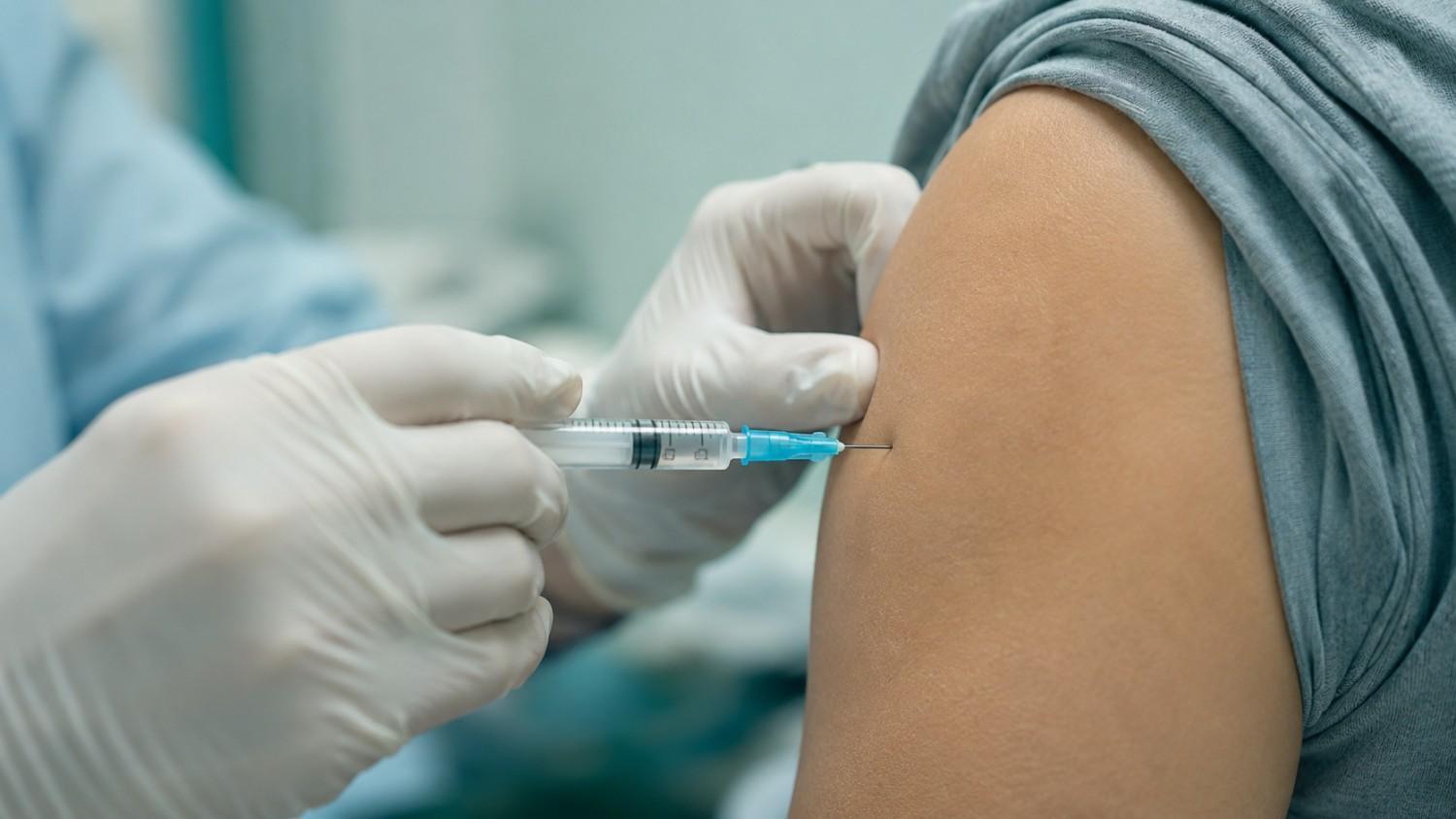
A handful of specialized routes exist outside the four above: intrathecal injection delivers medication directly into the spinal fluid, used for certain anesthetics and chemotherapy agents that need to bypass the blood-brain barrier; intra-arterial administration targets a specific organ by injecting into the artery that feeds it; and intraosseous access delivers fluid directly into bone marrow, typically reserved for emergencies where a vein can't be accessed quickly enough. These are far less common in everyday care, but they're still, technically, parenteral.
Why Sterility Isn't Optional
Every parenteral route bypasses the body's normal defenses: the acidic stomach environment and the digestive tract's lining are both part of what protects an oral dose from introducing infection. Injected or infused fluids skip that protection entirely, which means anything that goes in has to already be sterile. That's the reasoning behind single-use needles and syringes, sealed diluent vials, and the strict compounding standards pharmacies follow when preparing IV medications. A contamination that would cause mild discomfort if swallowed can become a bloodstream infection when it's injected directly.
Parenteral vs. Enteral: The Quick Comparison
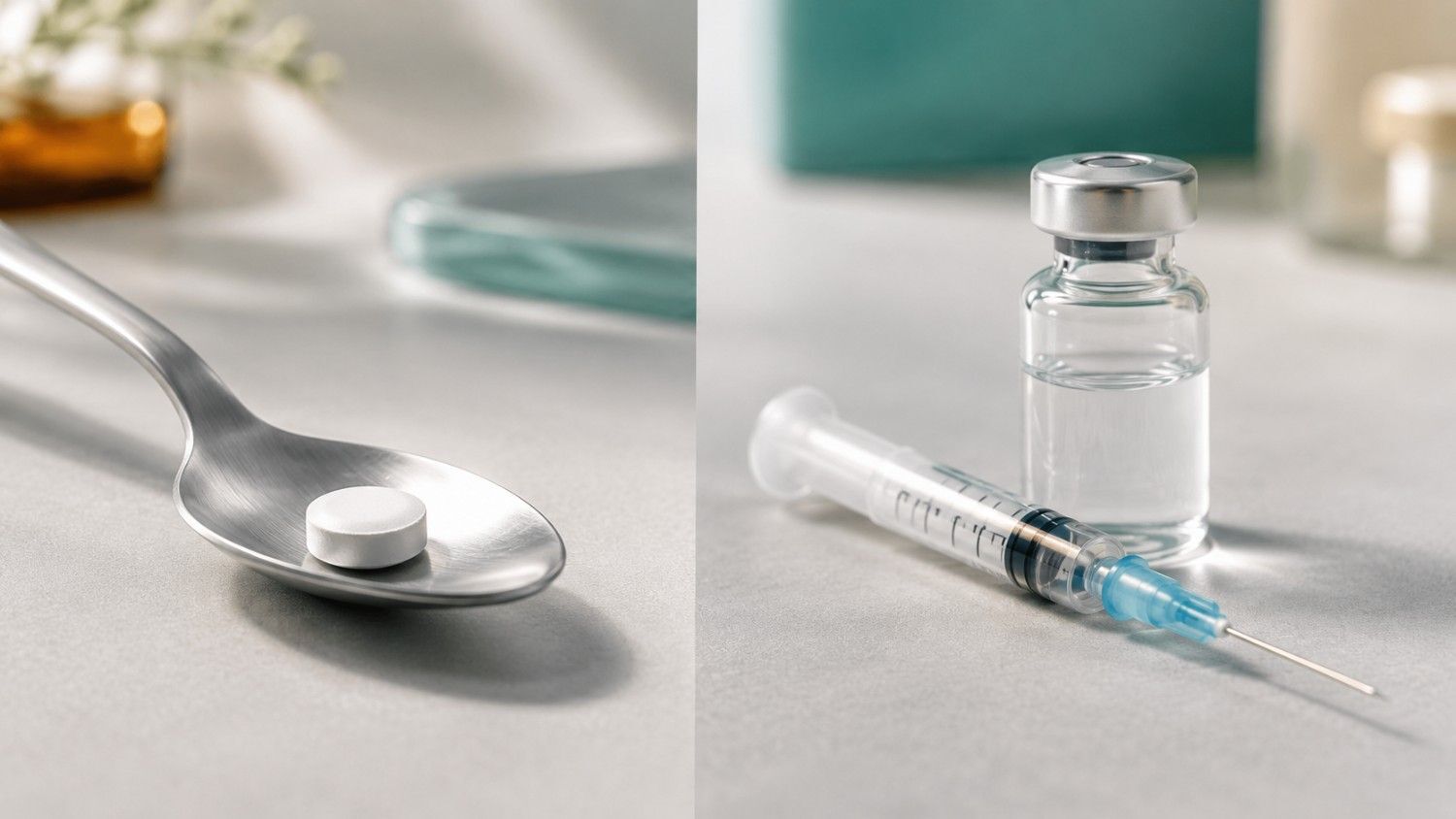
"Enteral" is the term for routes that do use the digestive system: oral tablets, liquids, and feeding tubes placed in the stomach or intestine all count as enteral, even though a feeding tube might sound closer to an injection. The dividing line isn't about whether a needle is involved; it's whether the GI tract is used at all. Enteral nutrition is generally preferred when it's an option, since it's lower-risk and helps maintain gut health. Parenteral nutrition is reserved for patients whose digestive system genuinely can't be used.
Frequently Asked Questions
What is parenteral use, in simple terms?
It's any method of getting medication or nutrition into the body that bypasses the digestive tract most commonly through an injection or IV line.
What's the difference between parenteral and intravenous?
Intravenous (IV) is one specific parenteral route. Parenteral is the broader category that also includes intramuscular, subcutaneous, and intradermal administration, among others.
Why is parenteral medication often preferred in emergencies?
Because it works faster and more predictably IV administration in particular reaches full bioavailability almost immediately, without waiting on digestion.
Is parenteral nutrition the same as tube feeding?
No. Tube feeding delivers nutrition into the stomach or intestine and is classified as enteral, since it still uses the digestive tract. Parenteral nutrition bypasses the gut entirely, usually through an IV line.
Does "parenteral" always mean an injection?
In practice, almost always IV, IM, SubQ, and ID administration all involve a needle or catheter of some kind, which is why sterile supplies matter so much in parenteral care.
Stocking up for parenteral procedures? Browse Arpovo Health's IV therapy supplies and needles and syringes for the sterile equipment every route on this list depends on.