
What Is Lyophilization? Why Some Medications Come as Freeze-Dried Powder
Apr 27th 2026
Certain medications become ineffective soon if stored in liquid form. Sensitive drug ingredients can be damaged very fast by heat, light, and moisture. This dysfunction decreases the safety, strength, and overall effectiveness of the patient's treatment. Pharmaceutical lyophilization is a process that helps address this significant stability issue. It removes water gently while keeping the medicine's structure safe and active.
Freeze-dried medicines are also common in hospitals and labs in the United States. Strict authority regulations provide safety, quality, and consistent drug performance. It is increasing with the rising use of biologics and advanced treatments around the world. Understanding what lyophilization is helps explain drug stability and long shelf life.
The Problem: Why Some Medications Can't Be Stored as Liquids
Many drugs, like peptides and biologics react badly with water exposure. The hydrolysis brought about by water leads to the loss of effectiveness of the drug in the long term. Liquid medicines also enable the growth of microbes when storage conditions become poor. Temperature changes accelerate reactions, causing faster degradation and instability of drugs.
Research shows biologic drugs break down quickly in water-based solutions. This makes storage and transport very difficult for healthcare providers worldwide. The need for stability drives the use of freeze dried medication powder. This method protects drugs without damaging their delicate chemical structure.
What Is Lyophilization (Freeze-Drying)?
Lyophilization is a process that carefully removes water from frozen drugs. It keeps the structure intact while converting the product into a dry stable form. This explains clearly why some medications freeze dried for safety reasons. The final product becomes easy to store and transport without degradation risks.
The Three Phases: Freezing, Primary Drying, Secondary Drying
The process begins with freezing the product to form solid ice crystals. Primary drying removes ice using low pressure through a process called sublimation. Secondary drying removes leftover moisture to improve long-term product stability further. Each phase protects sensitive drug molecules from damage during water removal carefully.
Sublimation: Ice Turning Directly Into Vapor Without a Liquid Phase
Sublimation changes ice directly into vapor without becoming liquid first. This step avoids water damage that could harm fragile drug molecules. It helps maintain the natural structure of proteins and peptide-based drugs.
- Water moves directly from solid ice to the vapor state safely
- No liquid phase means less risk of chemical breakdown
- Protects sensitive molecules like vaccines and biologics effectively
Why Pharmaceutical Companies Use Lyophilization
Drug companies prefer lyophilization because it improves product stability greatly. It helps medicines stay effective even in difficult storage and transport conditions. The rise of biologics increases demand for this advanced drying technology globally.
Using pharmaceutical lyophilization also reduces losses caused by drug degradation issues. It allows better supply chain management and improves treatment availability worldwide. Healthcare systems benefit from reliable medicines with longer usable life periods.
Stability at Room Temperature Without Refrigeration
Lyophilized drugs often remain stable at normal room temperatures easily. This reduces the need for expensive cold-chain storage systems significantly. Transport becomes easier across regions with limited refrigeration infrastructure availability.
- Less dependency on refrigeration during storage and transport
- Maintains drug strength even under moderate environmental conditions
- Supports access in remote or low-resource healthcare areas
Extended Shelf Life vs Liquid Formulations
Freeze-dried drugs last longer compared to liquid medicine versions. They resist chemical reactions that normally happen in liquid environments quickly. Microbial growth risks also decrease due to the absence of water content.
- Longer shelf life reduces waste and financial losses
- Improved stability supports consistent treatment outcomes for patients
- Better inventory control across hospitals and pharmacies
Types of Medications Typically Lyophilized
Certain medicines benefit most from freeze-drying due to high sensitivity. These drugs lose effectiveness quickly if stored in liquid conditions. Lyophilization helps maintain their safety during long storage periods and transport.
The use of freeze dried medication powder ensures consistent potency worldwide. This method supports global distribution without compromising drug quality standards. Healthcare providers rely on this method for critical treatments and vaccines.
Vaccines, Biologics, Peptides, Antibiotics
Vaccines need stable forms for safe delivery across long distances globally. Biologics and peptides are highly sensitive to moisture and temperature changes. Some antibiotics degrade quickly when kept in liquid storage environments.
- Vaccines remain stable for global immunization programs
- Peptides maintain structure and biological activity effectively
- Antibiotics retain strength until reconstitution before patient use
The Patient's Role: Reconstitution Before Use
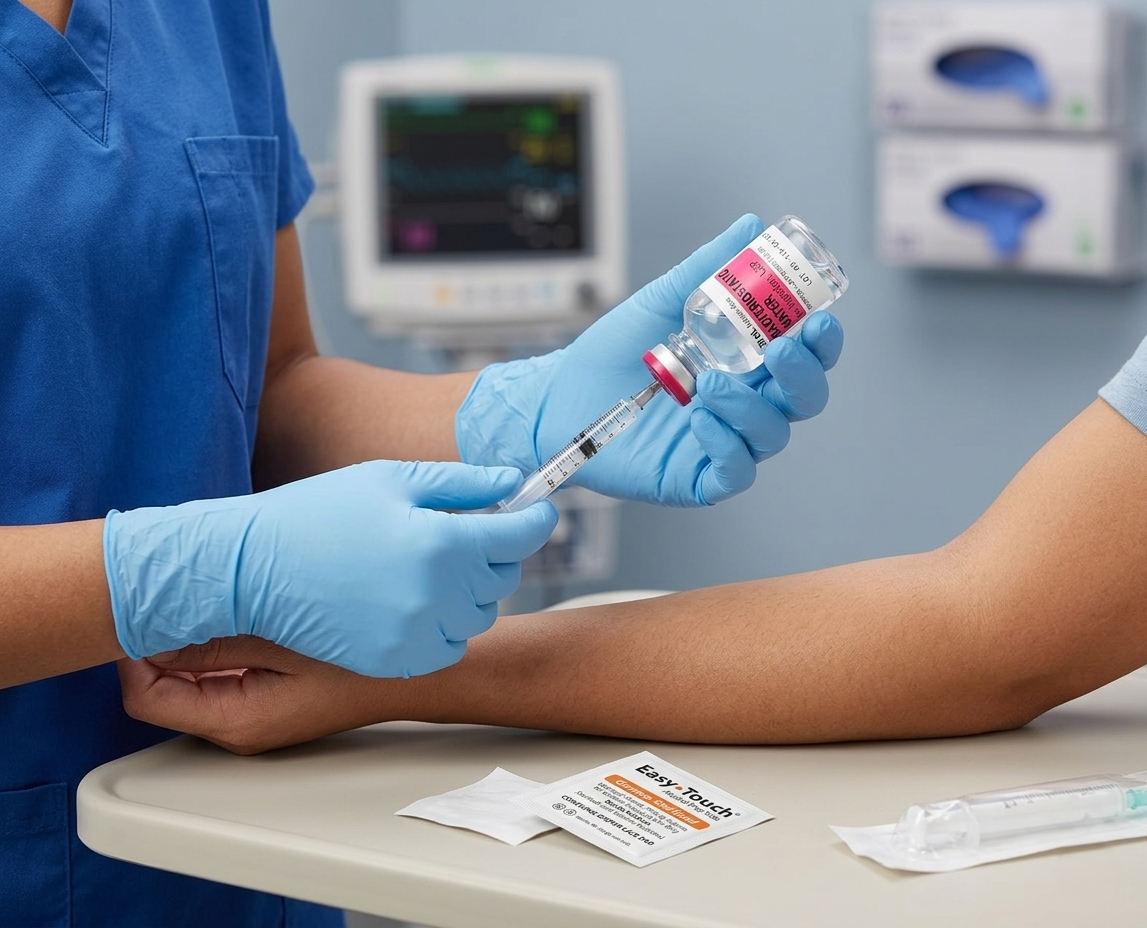
Patients or healthcare providers must mix lyophilized drugs before administration. This process is called lyophilized drug reconstitution and requires careful handling. The powder is mixed with a specific liquid to form a usable solution.
When the drug is properly reconstituted, it will be effective and safe to treat. Poor preparation may decrease the effectiveness or some may become harmful. Strict adherence to instructions aids in preserving the quality of the drug in the end preparation stages.
Why You Must Use the Correct Diluent and Volume
Using the correct liquid ensures proper chemical balance in the solution. Wrong diluents may react negatively with the drug and cause instability. Correct volume ensures accurate dosage and safe patient treatment outcomes.
- Maintains correct drug concentration for effective therapy
- Prevents unwanted chemical reactions or incompatibility issues
- Ensures patient safety during medication administration process
Signs of a Properly vs Incorrectly Reconstituted Lyophilized Drug
A properly mixed solution appears clear and evenly blended without particles. The powder dissolves fully within the expected time without residue left. There should be no unusual color or texture changes after mixing.
Incorrect preparation shows cloudiness, clumps, or undissolved powder remaining. Color changes may indicate chemical breakdown or contamination during preparation. Such signs suggest the lyophilized powder injection may not be safe.
Shelf Life Before and After Reconstitution
Before mixing, lyophilized drugs remain stable for months or even years. The dry form protects against moisture and microbial contamination effectively. This makes storage easier and more reliable for healthcare systems worldwide.
After mixing, stability reduces quickly due to water exposure and contamination risks. Many drugs must be used within hours or a few days safely. Guidelines help ensure safe usage after lyophilized drug reconstitution is completed.
Lyophilization protects sensitive medicines by removing water without damaging the structure. It keeps drugs stable, effective, and ready for safe use when needed. This process explains clearly what lyophilization is in simple practical terms.
Understanding why some medications freeze dried helps patients handle them correctly. If you use injectable treatments, learn safe lyophilized powder injection preparation methods.
? Always follow medical guidance and use the correct steps for lyophilized drug reconstitution.