
What Is IV Therapy Used For? A Complete Patient Overview
Apr 17th 2026
Your body sometimes needs help faster than pills can ever work. Doctors often choose what IV therapy is used for in urgent care. The IV treatment delivers fluids, nutrients, and medications directly into the blood. This method skips digestion and gives fast, controlled treatment results safely.
In the United States, IV therapy is used across hospitals daily. The Centers for Disease Control reports millions receive IV treatments yearly. These include emergency care, surgery recovery, and chronic condition management support. The infusion therapy market keeps growing due to rising disease cases.
Understanding what IV therapy is used for helps patients choose better care. It helps in making safer decisions before treatments or hospital based medical procedures.
What Is Intravenous (IV) Therapy?
IV therapy is an intravenous infusion of fluids or medication. Physicians insert a catheter or a needle to gain access to the veins. The process is used to make sure that absorption does not take long and that the dosage can be controlled at all times.
A significant part of routine and critical care in hospitals depends on IV infusion therapy. This method keeps treatment effective when time matters most for patients.
Delivering Fluids, Medications, or Nutrients Directly into the Bloodstream
IV therapy is a fast method of administering substances into the bloodstream. This method avoids slow digestion and supports faster medical response. Key functions of IV therapy include the following medical purposes:
- Fluids restore hydration and maintain electrolyte balance during illness
- Medications act faster than oral treatments in urgent care situations
- Nutrients support patients when digestion fails or becomes impossible
This direct system explains many intravenous therapy uses in hospitals today. It remains essential in emergency rooms and intensive care units worldwide.
Medical Uses of IV Therapy
IV therapy supports many treatments across different healthcare environments daily. Doctors depend on it because it delivers reliable and fast results consistently. Understanding what conditions need IV therapy helps patients feel more informed.
Medical data indicate that IV treatments are common in numerous hospitals. They are a reliable medical option around the world due to their speed and accuracy.
Dehydration and Fluid Replacement
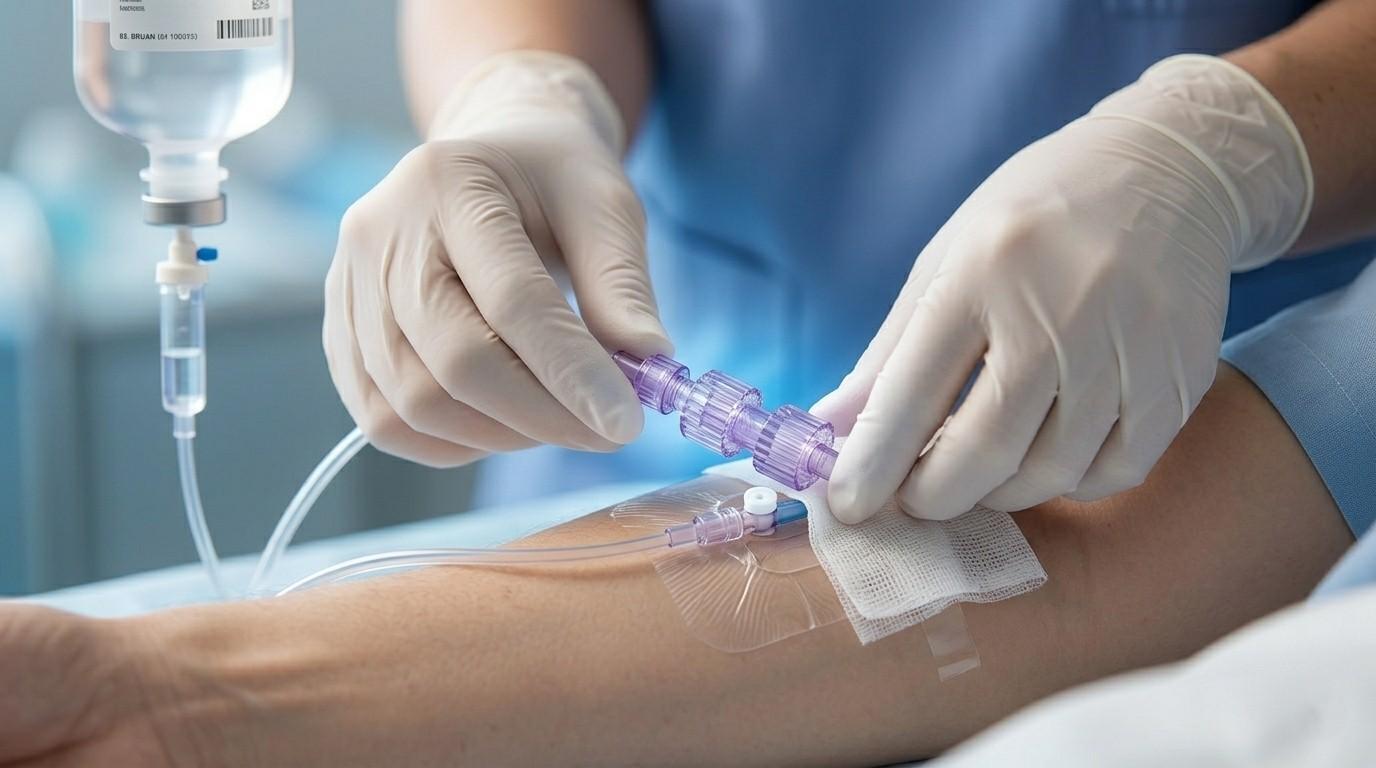
IV therapy helps doctors establish the quickest way to treat severe cases of dehydration. An IV drip for dehydration restores fluids and improves body balance in a short period of time. Common situations that require the replacement of fluids include:
- Severe disease with loss of fluid by vomiting or diarrhea
- Exposure to heat that results in dehydration in hot weather conditions
- Recovery after surgery where fluid levels need careful monitoring
Dehydration causes many hospital visits in the United States every year. IV therapy provides fast relief and stabilizes patients effectively.
Antibiotic and Antifungal Drug Delivery
IV antibiotics are used by doctors to treat serious infections effectively and quickly. This approach guarantees an increase in drug levels in the bloodstream in a short time. Most serious infections can be properly treated and cured by using IV medication:
- Rapidly spreading bacterial infections through the bloodstream.
- Fungal infections require strong antifungal medication treatment.
- Hospital-acquired infections requiring controlled and monitored dosing
IV drug delivery improves outcomes compared to slower oral treatments. These cases show clear intravenous therapy uses in critical care settings.
Chemotherapy Administration
IV therapy is commonly used to administer powerful medicines to treat cancer. The dosing is also monitored during the course of treatment by doctors to minimize the side effects. Chemotherapy is most effective when administered directly into the blood system:
- Allows even distribution of drugs throughout the entire body
- Supports controlled dosing for better patient safety during treatment
- Helps manage complex treatment plans under medical supervision
The National Cancer Institute supports IV delivery for many cancer treatments. This method remains a core example of IV infusion therapy in practice.
Blood Transfusions
Physicians rely on IV therapy to replace lost blood in case of emergency or surgery. It also aids in the treatment of anemia and other blood related medical conditions. Blood transfusion has a significant role in modern medical care systems:
- Used during surgeries to maintain stable blood volume levels
- Supports trauma patients after accidents or severe injuries
- Helps chronic patients manage long-term blood disorders safely
Millions of transfusions occur yearly across the United States healthcare system. This highlights important intravenous therapy uses in life-saving treatments.
Pain Management in Hospital Settings
IV medications are used to control pain soon after surgery by doctors. This method offers quick relief for severe or acute medical conditions. Pain treatment enhances the comfort and speed of recovery:
- Offers immediate relief in comparison to slower oral pain medications
- Helps manage severe pain during emergency medical situations
- Supports recovery after major surgical procedures effectively
Fast-acting drugs show strong IV therapy benefits in patient care. Hospitals rely on this approach for better recovery outcomes daily.
IV Nutrition: Total Parenteral Nutrition (TPN)
When patients are unable to feed themselves in a normal way, it may be possible to administer full nutrition with IV therapy. Doctors use this method when digestion fails or becomes unsafe. It aids patients who have severe illnesses or digestive system disorders.
Rising medical cases have increased demand for IV-based nutrition support. This procedure makes sure that patients get key nutrients without taking them by mouth.
When Patients Cannot Eat or Absorb Nutrients Orally
TPN is used by physicians when the body is not able to process food. This is a way of administering calories, vitamins and minerals via IV lines. IV nutrition is needed in the following conditions:
- Severe digestive disorders that block normal food absorption processes
- Recovery after major surgery affecting the stomach or intestinal function
- Critical illness where eating becomes difficult or medically restricted
TPN ensures survival when normal eating becomes impossible temporarily. This reflects important IV therapy benefits for critical care patients.
Wellness IV Therapy: What It Is and What It Claims
Wellness IV therapy has become popular outside traditional medical environments recently. Many people use it for quick hydration and recovery benefits. This trend has grown rapidly across wellness clinics in the United States.
The IV hydration market expands due to increasing consumer interest. People often want to know what IV therapy is used for beyond medical settings.
Vitamin Infusions, Myers Cocktail, Hangover Drips
Wellness clinics offer different IV treatments for general health improvement. These include vitamin infusions and hydration-based therapy options. Common wellness IV treatments include the following popular options:
- Vitamin infusions designed to boost energy and immune support
- Myers Cocktail combining vitamins and minerals for general wellness
- Hangover drips aim to reduce dehydration symptoms quickly
These services show expanding IV infusion therapy trends in the wellness industry. Many clinics promote fast recovery and improved energy levels through treatment.
What the Evidence Says
Scientific research shows limited benefits for healthy individuals using IV therapy. Most benefits appear in medically necessary treatment situations only. Regulators advise careful use of IV therapy under medical supervision always:
- Avoid unnecessary treatments without a clear medical need or diagnosis
- Follow professional advice before starting any IV wellness therapy
- Understand risks related to improper or excessive IV usage
The Food and Drug Administration stresses safety in non-essential treatments. Patients should understand clearly what conditions need IV therapy.
IV Therapy in Emergency Medicine
IV therapy is highly essential in emergency medical cases across the globe. It is used by doctors to treat cases of trauma, shock, and severe dehydration. It enables the quick administration of life-saving drugs into the blood.
Emergency teams rely on IV access as an early treatment step. This approach supports patient stabilization during life-threatening conditions quickly.
IV Therapy at Home: When It's Prescribed
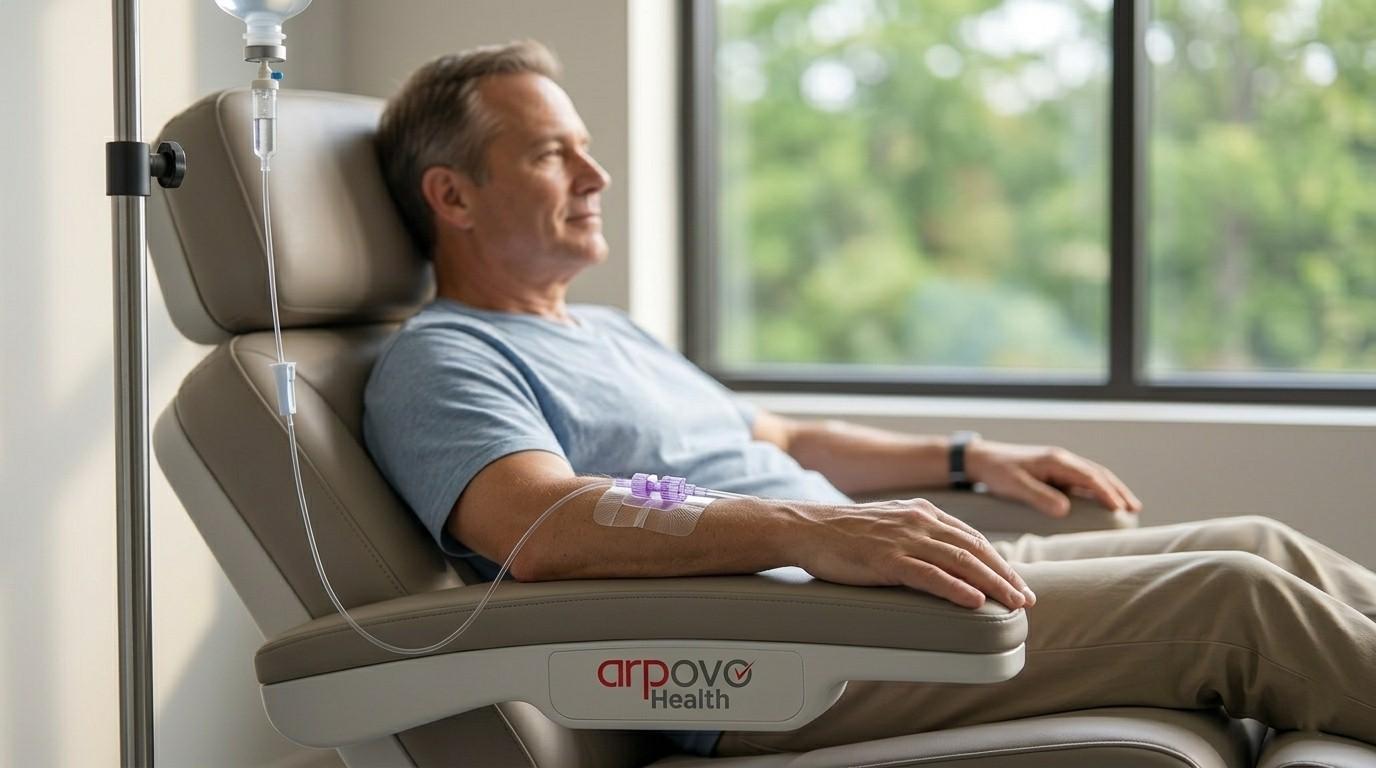
Some patients receive IV therapy at home for ongoing treatment needs. Doctors prescribe it when long-term care does not require hospital stays. This method improves comfort and reduces repeated hospital visits significantly. Common home IV therapy uses include the following medical needs:
- Long-term antibiotic therapy for persistent or serious infections
- Nutritional support for patients unable to eat normally
- Chronic condition management requiring steady medication delivery
Studies show home therapy improves patient satisfaction and treatment success. It also reduces healthcare costs while maintaining effective care delivery.
How IV Therapy Is Administered: The Process
A trained professional inserts a catheter into a patient’s vein carefully. Fluids or medications flow through an IV line into the bloodstream steadily. Flow rate is controlled using pumps or gravity-based systems safely.
Proper administration ensures safe delivery and reduces possible complications significantly. Guidelines from experts help prevent infection and other treatment risks.
IV therapy remains a key part of modern healthcare systems worldwide. It delivers fast treatment for emergencies, chronic diseases, and recovery care. Understanding what IV therapy is used for helps patients feel more confident.
As healthcare grows, IV therapy will stay essential in many treatments. Learn your options and speak with your doctor before starting any therapy.
Take the next step today and understand your treatment choices clearly.