
What Is FDA 510(k) Clearance? A Plain-English Guide for Medical Buyers
May 26th 2026
Buying medical supplies is not just about price or fast delivery. Safety, quality, and trust matter more when human health depends on them. This guide explains FDA 510k clearance medical devices, explained in very simple words.
Many buyers feel confused when they see terms like cleared or approved. These terms look similar, but they mean very different safety levels. Learning what 510k clearance is helps you make safe and smart buying decisions.
Hospitals, clinics, and even home users need trusted medical products daily. This blog builds trust using facts, simple logic, and easy explanations. You will also learn how to check safe and real FDA cleared medical supplies.
Why FDA Status Matters When Buying Medical Supplies
Every medical product must meet safety rules before reaching the market. The FDA checks many products to protect patients from harmful risks. Knowing FDA 510k clearance medical devices explained helps buyers avoid unsafe choices.
Unsafe products can cause infections, wrong readings, or serious health damage. Buyers must check product status before placing large or small orders. This is why learning how to check if a medical device is FDA cleared matters.
Trusted suppliers always provide clear product details and valid clearance proofs. They also avoid fake or unverified items from unknown manufacturers. Smart buyers always choose verified and tested 510k medical device products.
The Difference Between FDA-Cleared and FDA-Approved
Many people mix these two terms and make wrong buying decisions. Understanding FDA cleared vs approved helps you avoid confusion and risk. Both terms relate to safety, but they follow different review processes.
FDA approval is stricter and used for high-risk medical products. FDA clearance is used for moderate-risk products already similar to existing devices. Learning what 510k clearance is makes this difference easy to understand.
Buyers should not assume cleared products are unsafe or low quality. Cleared devices still meet safety standards through proper comparison methods. This is why knowing FDA cleared vs approved improves smart purchasing decisions.
Approved: Pre-Market Approval (PMA) for High-Risk Devices
High-risk devices need deep testing before entering the medical market. These include implants, heart devices, and life-support machines used in hospitals. FDA approval checks safety, effectiveness, and long-term health impact.
Manufacturers must provide strong clinical trial data for approval decisions. The process takes longer and costs more than clearance procedures. This ensures maximum safety for critical and high-risk medical treatments.
Buyers dealing with advanced medical systems must look for approved status. This level of approval shows strict testing and strong scientific evidence. It builds trust when purchasing high-risk medical equipment.
Cleared: 510(k) for Moderate-Risk Devices
Moderate-risk devices follow a faster but still safe approval route. These products include everyday tools used in clinics and homes. They fall under the 510k medical device category.
Manufacturers show that their product matches an already cleared device. This comparison proves safety without repeating full clinical testing. This method is called substantial equivalence in simple terms.
Most daily-use FDA cleared medical supplies come under this category. Buyers can trust these products if they verify proper clearance details. This makes FDA 510k clearance medical devices explained very important knowledge.
What Is the 510(k) Process?
The 510(k) process is a review system used by the FDA. It checks if a new device is similar to an existing safe product. Understanding what 510k clearance is helps buyers trust moderate-risk products.
Manufacturers submit documents, test results, and comparison data to the FDA. The FDA reviews all details before giving clearance for market sale. This ensures safe availability of many FDA cleared medical supplies.
The process is faster than full approval but still very controlled. It supports innovation while maintaining patient safety and quality standards. This explains the core idea behind FDA 510k clearance medical devices.
Demonstrating Substantial Equivalence to a Predicate Device
A predicate device is an already cleared and safe medical product. New devices must match its design, function, and safety profile closely. This step defines the heart of the 510k medical device process.
Manufacturers compare materials, usage, and performance with the predicate device. They also provide lab testing and safety validation results. This builds strong proof for clearance approval decisions.
If differences exist, they must not increase safety risks for users. FDA checks these details carefully before granting clearance status. This ensures safe and reliable FDA cleared medical supplies.
Timeline and What the Review Covers
The 510(k) review usually takes a few months to complete. The timeline depends on data quality and completeness of submission. Faster approval happens when documents are clear and accurate.
The FDA reviews design, labeling, testing, and intended product use. They also check if the device meets safety and performance standards. This ensures strong trust in the 510k medical device process.
Delays happen when information is missing or unclear in submissions. Manufacturers must respond quickly to FDA questions during review. This keeps the process smooth and efficient for market approval.
What Medical Products Typically Require 510(k) Clearance?
Many daily-use medical products need clearance before reaching buyers. These products are widely used in hospitals, clinics, and home care. They fall under common FDA cleared medical supplies categories.
Understanding these product types helps buyers make informed purchase decisions. It also reduces the risk of buying fake or unsafe products online. This knowledge supports FDA 510k clearance medical devices explained clearly.
Buyers should always confirm clearance status before placing bulk orders. This protects patients and ensures safe treatment outcomes. It also builds trust between suppliers and healthcare providers.
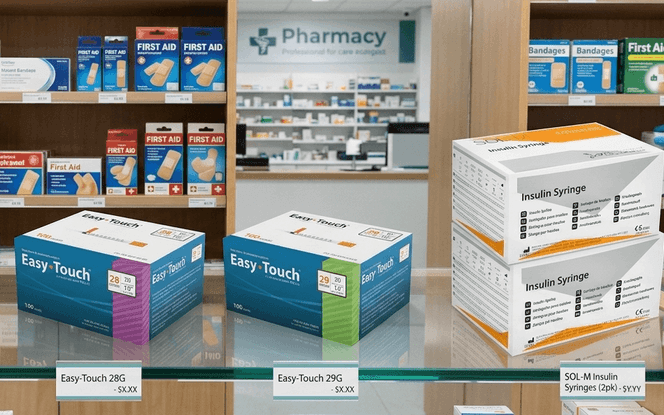
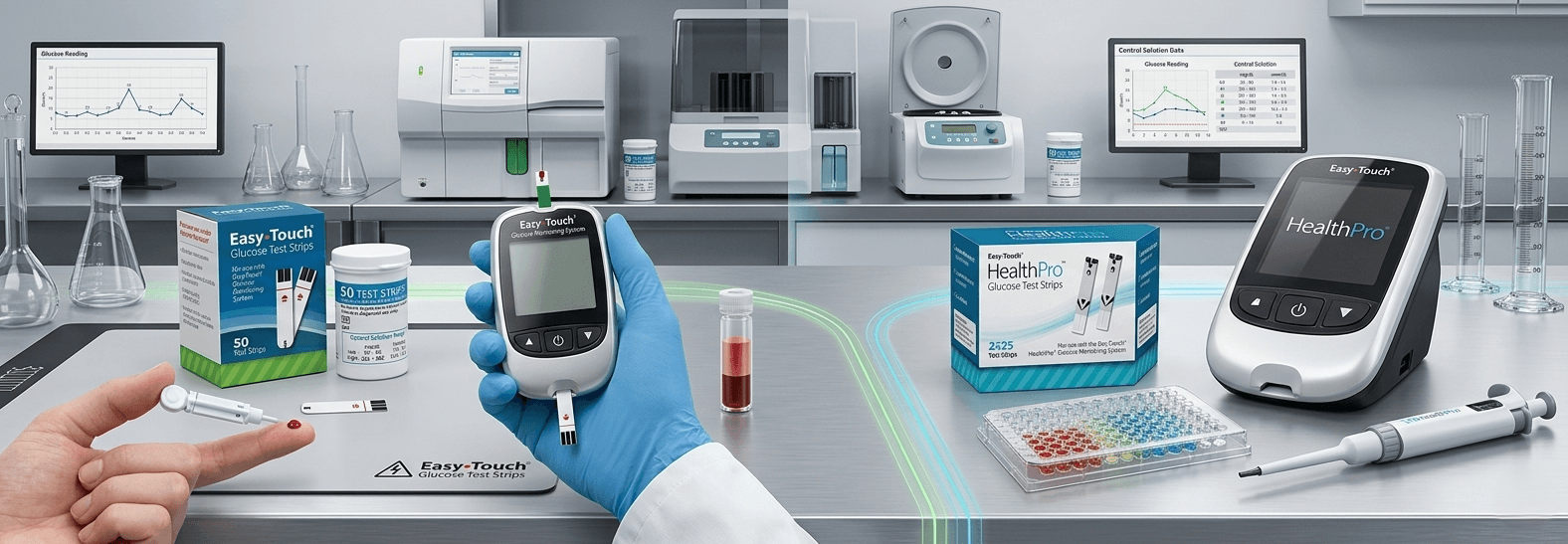
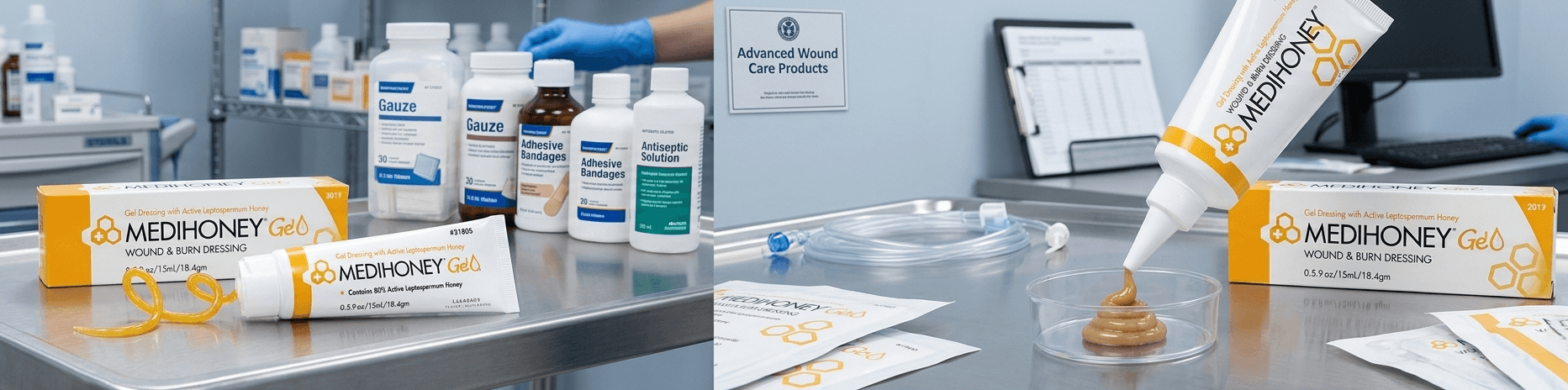
Syringes, Needles, Glucose Meters, Test Strips, Wound Dressings
These products are widely used in daily healthcare operations. They require safety checks due to direct patient contact and usage. Most belong to the 510k medical device category.
Common examples include:
- Syringes and needles for injections and medical treatments
- Glucose meters and strips for blood sugar monitoring
- Wound dressings for healing and infection control
Buyers should always confirm they are genuine FDA cleared medical supplies. This reduces risk and improves patient safety in every healthcare setting. It also ensures compliance with medical purchasing standards.
How to Verify a Product's FDA Clearance Status
Verifying clearance status is simple if you know the right steps. Buyers must not rely only on seller claims or marketing statements. Learning how to check if a medical device is FDA cleared is essential.
Fake products often copy packaging but lack real FDA approval numbers. This creates serious risks for patients and healthcare providers. Checking official sources helps avoid these dangerous situations.
Smart buyers always verify details before finalizing any purchase order. This builds trust and ensures high product quality standards. It supports safe buying decisions using FDA 510k clearance medical devices explained.
Searching the FDA's 510(k) Database
The FDA provides an online database for public search access. Buyers can enter product names or company details for verification. This helps confirm genuine 510k medical device listings.
The database shows clearance number, manufacturer, and product details. It also provides approval dates and classification information. This ensures full transparency for buyers and procurement teams.
Using this tool builds strong confidence in product authenticity. It also protects against fake or misleading product claims. This is the best way to check if a medical device is FDA cleared.
Looking for Clearance Numbers on Packaging
Most cleared products display a 510(k) number on packaging. This number helps track and verify FDA clearance quickly. Buyers should always check this detail before purchase.
Manufacturers include this number for transparency and compliance reasons. It helps buyers cross-check with official FDA records easily. This supports trust in FDA cleared medical supplies.
Missing or fake numbers are warning signs of unsafe products. Buyers should avoid such items and report suspicious suppliers. This step strengthens safe buying practices in healthcare systems.
What About Products Exempt from 510(k)?
Not all medical products require clearance before entering the market. Some low-risk items are exempt from the 510(k) process. Understanding this helps complete FDA 510k clearance for medical devices.
These products still follow general safety and manufacturing rules. They must meet quality standards set by regulatory authorities. This ensures basic safety even without a full clearance review.
Buyers should still purchase these items from trusted suppliers only. This reduces risk and ensures reliable product performance. It also supports safe use in healthcare environments.
Class I Exempt Devices: Gauze, Some Bandages
Class I devices are low-risk and widely used in basic care. Examples include gauze, bandages, and simple medical tools. They do not require 510k medical device clearance.
These products still follow good manufacturing practices and safety rules. Manufacturers must ensure quality, labeling, and safe usage standards. This keeps patients protected during everyday treatments.
Buyers should not ignore quality just because clearance is not required. Trusted sourcing still matters for safe and reliable outcomes. This ensures confidence in all FDA cleared medical supplies categories.
Why This Matters When Buying Online
Online buying is fast but carries higher risks of fake products. Many sellers list items without proper verification or documentation. Understanding FDA cleared vs approved protects buyers from such risks.
Counterfeit supplies may look real but fail safety standards completely. These products can harm patients and damage the healthcare reputation. This makes how to check if a medical device is FDA cleared.
Trusted suppliers always provide verified and genuine product listings. The supplier Arpovo Health ensures transparency, safety, and reliable customer support. This builds long-term trust with buyers and healthcare professionals.
Counterfeit Supplies and the Importance of Authorized Distributors
Authorized distributors source products directly from verified manufacturers. They provide proper documentation and real clearance information. This ensures access to genuine FDA cleared medical supplies.
Buying from unknown sellers increases the risk of fake or unsafe products. This can lead to serious health risks and financial loss. Trusted suppliers, i.e., Arpovo Health, reduce these risks significantly.