

Using Medihoney in Emergency Situations
Feb 18th 2026
Pain strikes fast. Cuts appear without warning. Small wounds can become serious without proper early care. Many people face sudden injuries during daily home activities. Quick action reduces pain and limits infection risk effectively. Emergency wound care saves skin and prevents deeper tissue harm. Many families ignore minor injuries until infection signs appear.
The CDC reports twenty five million injury visits yearly nationwide. These visits include burns, cuts, and exposed wound surfaces. The American Burn Association reports nearly four hundred eighty six thousand burns yearly. These burn injuries often require careful wound cleaning and protection.
Medical honey dressings now support safer wound healing approaches. Clinicians recognize antimicrobial effects from properly prepared honey products. Many hospitals use honey dressings during controlled wound treatment. Families also use honey products for careful home care. Some people search for Medihoney emergency first aid guidance online.
Caregivers want simple tools supporting faster healing results. Modern care plans include moisture control for healing wounds. Clinicians also recommend reliable options for emergency wound protection. People review approved products within regulated healthcare supply systems.
Home First Aid Kit: Should You Include Medihoney?
Families should prepare kits for sudden injuries at home. The American Red Cross supports proper kits for burns. Minor cuts appear often during daily household activities. Small kitchen accidents frequently cause shallow skin injuries. Many caregivers include Medihoney first aid kit supplies today. Medical honey supports moisture balance during early wound healing. Clinical research supports honey activity against several harmful bacteria. Families appreciate simple options for safe wound coverage.
Parents want gentle care tools for children's injuries.
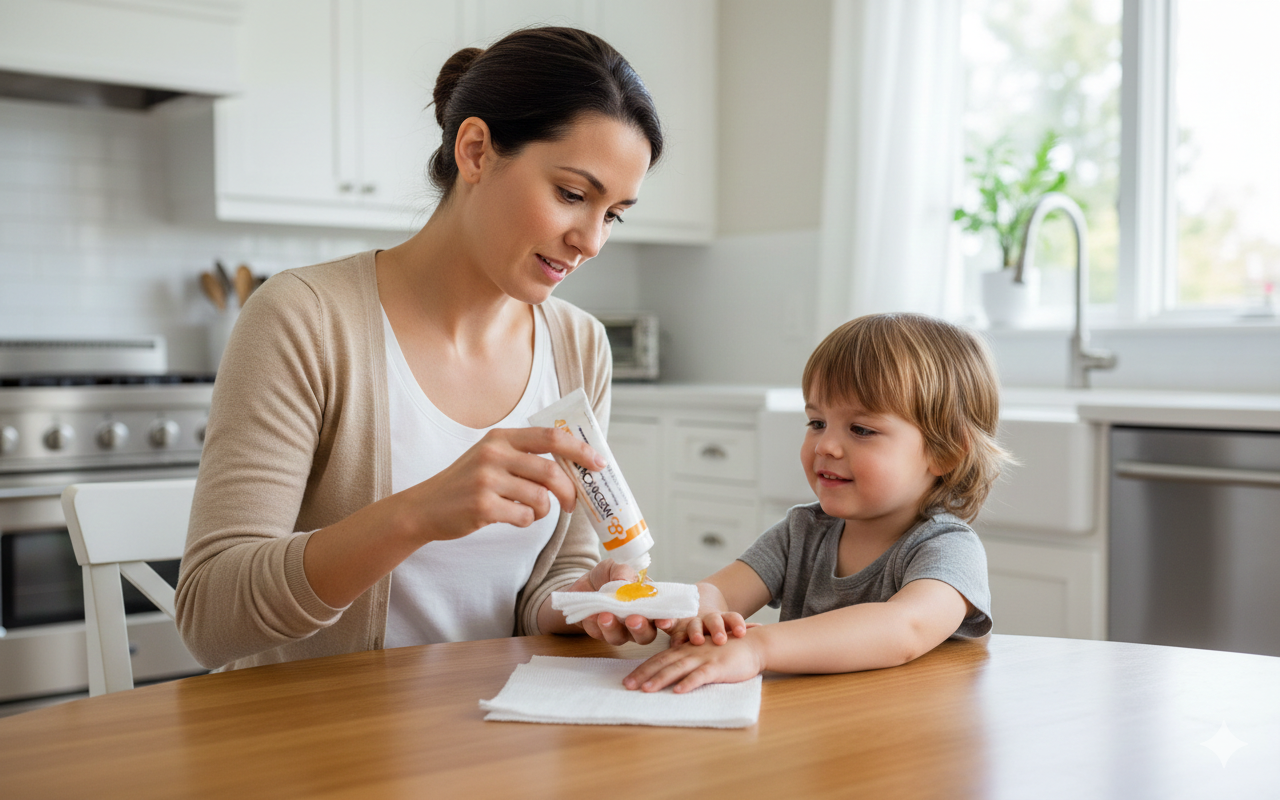
Some caregivers prefer Medihoney home treatment for small wounds. People store honey dressings with clean bandages nearby. Prepared kits support calmer responses during sudden injury events. Households benefit from easy tools for basic wound care. People should learn when to use Medihoney properly. Clear guidance helps families avoid unsafe wound handling practices.
Immediate Treatment for Kitchen Burns
Kitchen burns happen often during hurried cooking activities. The American Burn Association reports scald injuries often happen. Hot liquids cause painful skin injuries within seconds. Families should cool burns using clean running water. Cooling reduces skin heat and limits tissue damage. Some families apply Medihoney for burns after cooling. Honey gel helps keep wounds moist during healing. Honey also limits bacteria exposure on minor burns.
Caregivers should cover wounds using sterile gauze dressings. Large burns require immediate professional medical evaluation. Blistering burns should never receive home treatment. Wide burns increase infection risks across damaged skin. People must seek urgent care for serious injuries. Caregivers must avoid applying greasy household substances. Safe guidance protects families during sudden kitchen accidents.
Camping and Outdoor Wound Care
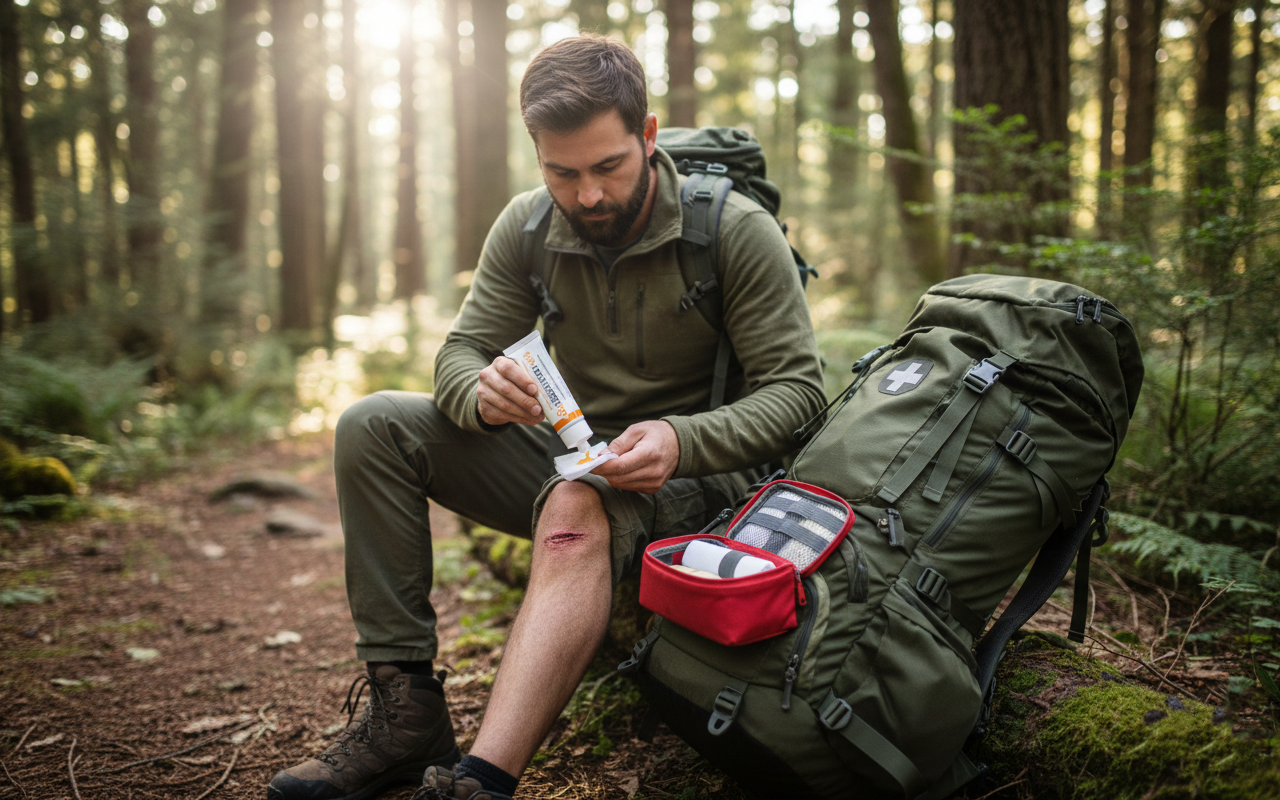
Outdoor trips often bring minor cuts and scrapes. Hikers face dirt exposure during trail walking activities. The National Park Service reports millions of recreation visits. Outdoor injuries increase exposure to bacteria and debris. Many hikers pack Medihoney camping supplies for trips. Field kits support wound cleaning and temporary wound protection.
Some hikers choose portable Medihoney for easier transport. Portable options fit easily within compact emergency kits. Clean dressing tools remain important during outdoor care. Wound cleaning should happen before honey application. Covering wounds limits dirt contact during movement. People should monitor wounds for swelling or redness. Outdoor care requires careful hygiene during treatment.
Portable Medihoney Options
Compact tubes support controlled application during field treatment. Small tubes reduce contamination risks during repeated use. Travel kits include wipes for wound cleaning first. Hikers appreciate lightweight options for emergency situations. People prefer travel size Medihoney for backpack storage. Compact designs save space within packed travel kits.
When to Use vs Standard First Aid
Minor wounds may benefit from emergency wound care honey. Deep wounds require professional medical care immediately. Animal bites increase infection risks requiring urgent treatment. Contaminated wounds require medical cleaning and evaluation. People should avoid home care for severe injuries. Clear judgment protects people from unsafe self treatment. Caregivers compare Medihoney vs neosporin during minor care. Medical advice helps guide safe product selection decisions.
Emergency Room vs Home Treatment Guidelines
Some injuries always require professional emergency care. The CDC recommends emergency care for large burns. Burns larger than three inches require medical treatment. Burns affecting the face or hands need urgent evaluation. Genital burns always require immediate professional care. Infection signs include redness swelling and pus discharge.
Deep wounds often require stitches and medical cleaning. Small cuts may heal using careful home hygiene. Minor burns may heal with clean wound coverage. Honey dressings do not replace professional medical evaluation. Serious trauma always requires trained clinical assessment.
Grand View Research reports huge wound care spending that exceeds $25 billion annually. Spending reflects broad treatment needs across healthcare settings. Clear guidance helps families choose safe care locations. People should never delay care during worsening symptoms.
Travel Size Medihoney for Emergency Preparedness
Emergency planning supports safer responses during unexpected injuries. FEMA recommends emergency kits for disaster preparedness planning. Red Cross guidance supports stocked supplies during emergencies. Travel kits help families respond during evacuations quickly.
Many families include travel size Medihoney within kits. Small products fit easily within evacuation bag storage. People prefer compact honey gels for portability needs. Portable paste tubes prevent spills during movement. Supplies should remain sealed within waterproof containers. Families should rotate supplies before expiration dates.
Regulated suppliers ensure product quality and safety compliance. Established US medical product distributors follow required medical supply regulations, ensuring quality and compliance with FDA standards. Prepared kits reduce panic during stressful emergency moments. Clear planning supports safer wound care outcomes. Families should practice using supplies before emergencies.
Conclusion
Many injuries require prompt and careful wound management. Medical honey products support moisture balance during healing. Honey products offer antimicrobial support for minor wounds. People should follow sterile methods during wound care. Serious injuries always require professional medical evaluation. Prepared families respond better during sudden injury events. Safe tools support responsible home care during emergencies. People should follow medical advice for complex injuries. Clear guidance reduces risks during stressful situations. Prepared planning improves wound outcomes across many settings.
Prepare your emergency kit today with trusted medical honey products. Thoughtful kits support calm and confident first responses. Choose regulated options for safe and reliable wound care. Caregivers should store approved wound care supplies safely. Add Medihoney emergency first aid items to your family kit. Keep portable Medihoney ready for sudden outdoor injury care. Pack travel size Medihoney for trips and evacuation situations. Support safe Medihoney home treatment for minor wounds and burns. Clear training helps families avoid unsafe wound practices. Understanding proper care improves healing and infection prevention. People should seek professional help during serious injuries. Balanced planning supports safer outcomes for vulnerable family members.