
The Purpose of an Adjustable Lancet Device
Jan 16th 2026
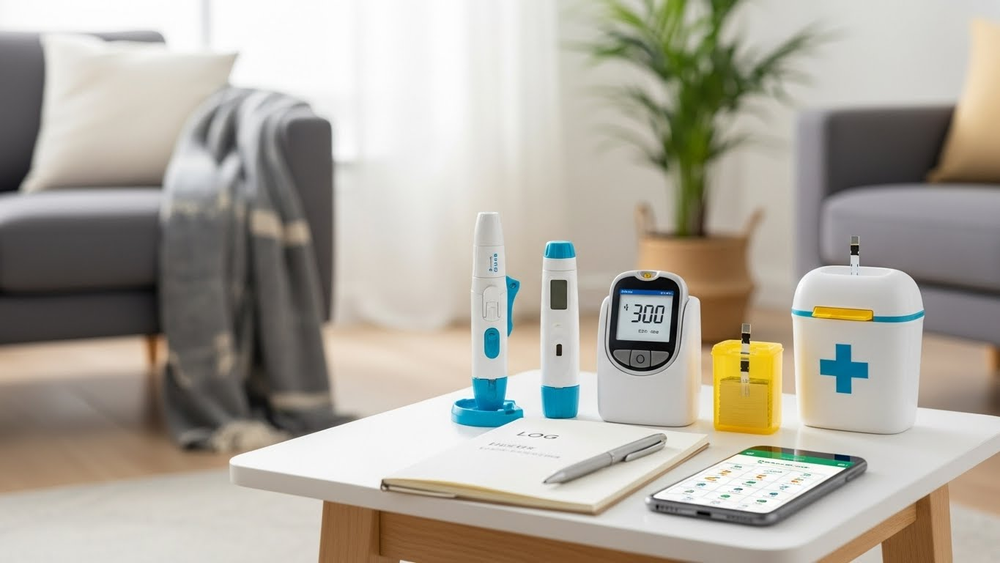
Blood glucose testing remains a daily habit for millions of people across America. More than thirty eight million Americans live with diabetes today. Daily fingerstick testing can feel painful, stressful, and tiring for many users. Comfort during testing directly affects how often people check their glucose levels. Regular testing helps people avoid serious health problems over time. Painful testing methods often cause people to skip important glucose checks. An adjustable lancet device helps reduce pain while keeping testing reliable. These devices allow users to control puncture depth for better comfort. Better comfort leads to better consistency in daily testing routines. Healthcare professionals also recommend adjustable devices for frequent testers. These tools support accurate blood samples in homes and clinics alike. Comfort and safety now matter more than speed during glucose monitoring. Modern testing focuses on patient comfort and reliable sample collection. An adjustable system supports these goals without complex setup steps. This device has become essential in modern diabetes care routines.
What is a Lancet Device?
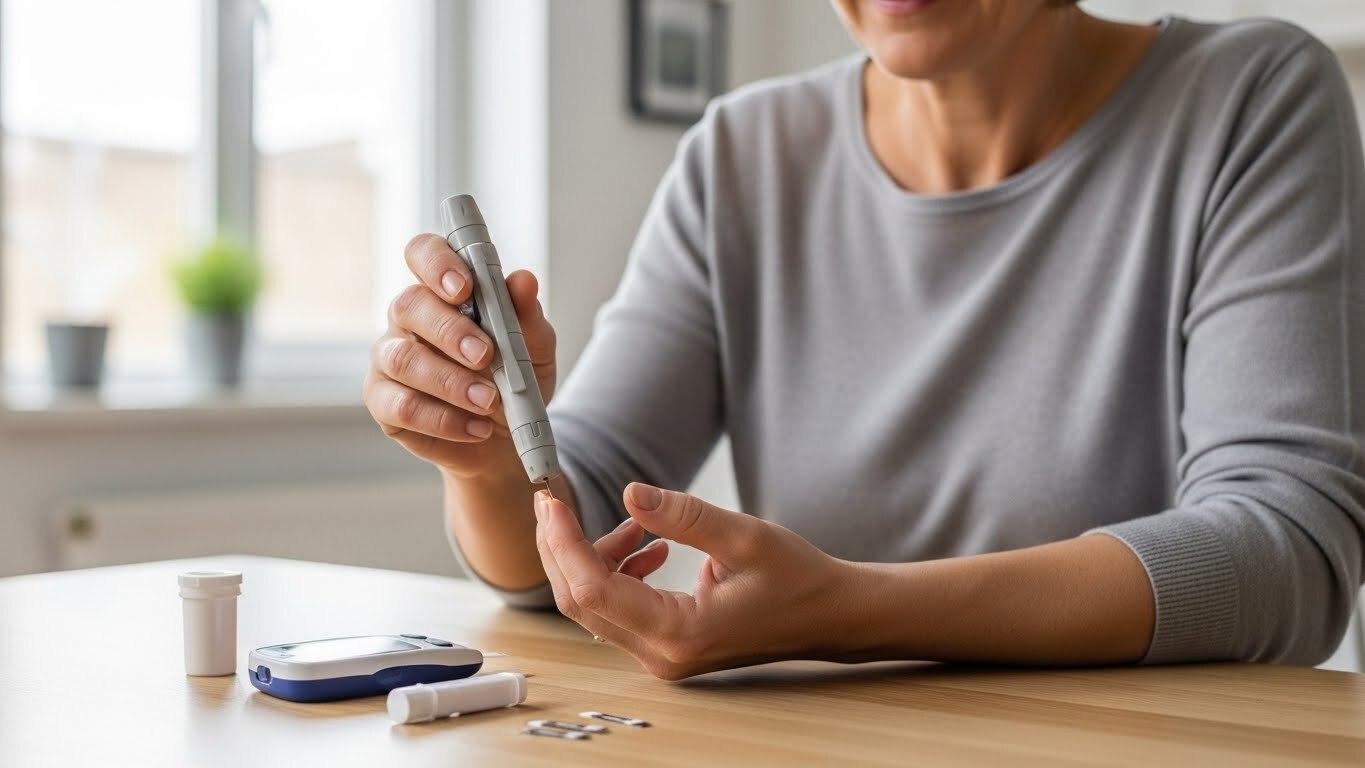
A lancet device is a small handheld tool used for fingerstick testing. It holds a lancet securely and releases it with controlled force. This tool helps collect a small blood sample safely. The device works closely with glucose monitoring supplies. It supports consistent puncture depth during every test. This consistency helps users trust their readings each day. A lancet injector reduces sudden movement during skin puncture. This control lowers the chance of excessive pain. Unlike loose needles, the device improves overall safety. Loose needles can slip and cause accidental injuries. Lancet devices prevent this risk during daily testing. They also reduce fear for new users. Many devices work well with popular glucose meters. Users often compare tools based on the glucose meter needle price. Lancet devices offer long-term value despite small upfront costs. These devices also support repeat testing without skill loss. Safe design makes them ideal for frequent daily use.
How the Adjustable Depth Settings Work for Comfort
Adjustable depth settings allow better control during fingerstick testing. Users can select how deeply the lancet enters the skin. Thin skin usually requires a lower depth setting. Thicker skin may need a deeper puncture setting. This adjustment helps reduce unnecessary pain. Comfort improves when skin damage stays minimal. Clinical observations show that adjustable settings reduce discomfort. Frequent testers benefit the most from controlled depth features. An adjustable lancet device differs from fixed-depth tools. Fixed-depth tools may cause pain or insufficient blood flow. Adjustable systems solve this common testing problem. These devices work differently from hypodermic needles. Hypodermic needles are not designed for repeated fingersticks. Adjustable systems focus on daily comfort and safety. Users feel more confident when pain stays manageable. Better comfort improves long-term testing consistency. This feature supports healthy daily glucose monitoring habits.
Step-by-Step Guide: How to Load and Use the Device
Many users prefer EasyTouch twist lancets for smooth loading. These lancets fit many adjustable devices easily. Compatibility helps reduce frustration during daily use. Controlled activation supports a consistent blood sample size. Ease of use matters for long-term daily testing success. Simple steps encourage safer and stress-free glucose monitoring. Learning how to use a lancing device helps ensure safe testing:
- Start by washing your hands thoroughly with warm water.
- Insert a sterile lancet into the device holder carefully.
- Remove the protective cap from the lancet.
- Replace the device cap securely after loading.
- Select the desired depth setting based on skin thickness.
- Prime the device according to the manufacturer's instructions.
- Place the device firmly against the fingertip side.
- Press the release button to activate the puncture.
- Apply gentle pressure to collect a blood drop.
- Dispose of the used lancet safely after testing.
Why You Should Never Share a Lancet Device
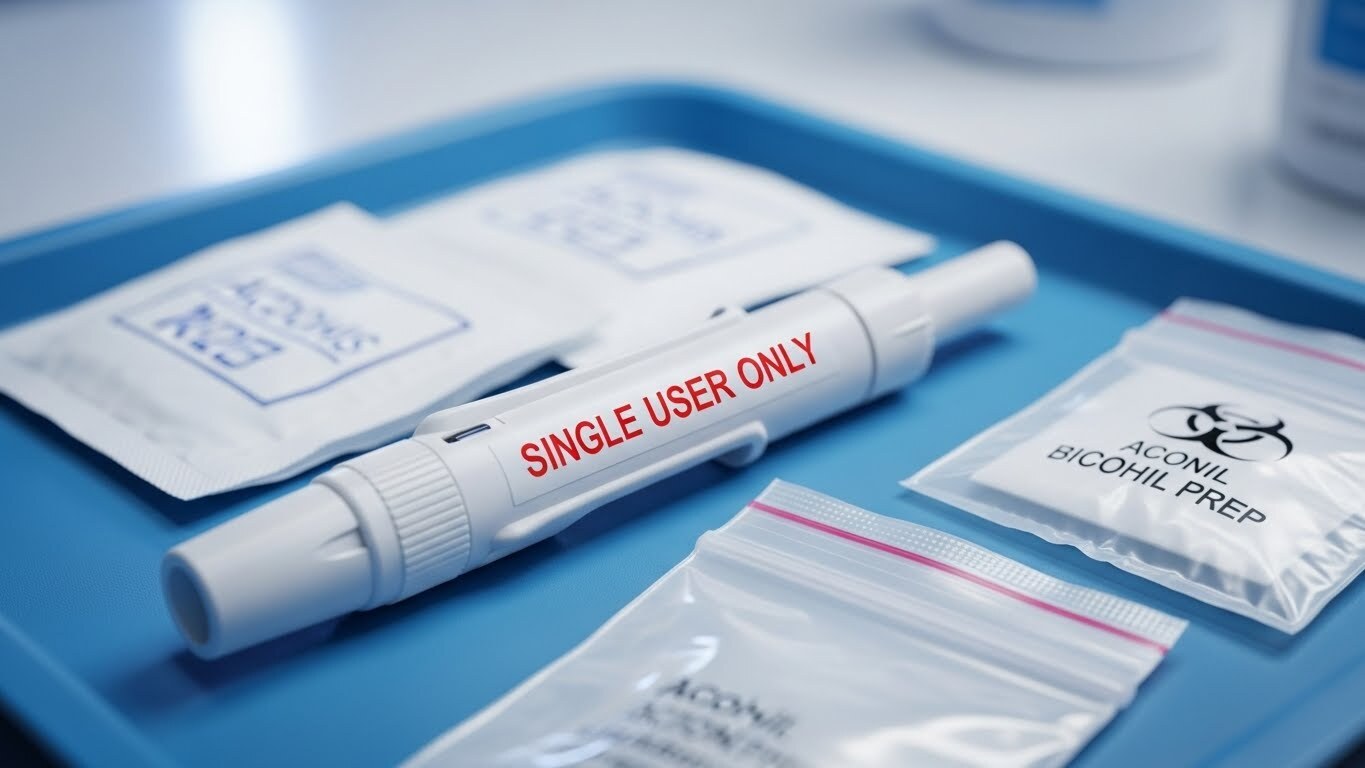
Sharing a lancet device creates serious health risks. Bloodborne infections can spread through contaminated device parts. Changing the lancet alone does not remove all risks. Internal surfaces may still contain blood residue. US health authorities strongly advise against sharing devices. This rule applies even among family members. Shared devices increase the chance of disease transmission. These risks remain high in home testing environments. Medical safety standards clearly prohibit device sharing. This practice aligns with infection control guidelines. Organizations like MHC Medical follow strict safety protocols. All lancing devices require single-user handling. Proper hygiene protects users from avoidable complications. Safe testing habits support long-term health outcomes. Each person should own a personal testing device. Responsible use ensures testing stays safe and reliable. Device sharing undermines modern diabetes care practices.
Conclusion
Adjustable lancet devices support safer and more comfortable glucose testing routines. They reduce pain while maintaining reliable blood sample collection. These devices help users test more consistently each day. Home-based care continues to grow across the United States. Understanding proper device use improves testing confidence. Pairing the right device with compatible lancets matters. An adjustable lancet device supports better daily health decisions. Comfort and safety remain essential in long-term diabetes management. People who test their glucose regularly often review their testing tools. Checking comfort, hygiene, and depth control supports safer daily testing.
If daily testing feels uncomfortable, it may be time to rethink your tools. Choosing the medical-grade adjustable lancet device can make each fingerstick gentler, safer, and easier to stick with. Take a moment to review your current device and lancets, and switch to an option that supports comfort, hygiene, and consistent glucose monitoring every single day.