
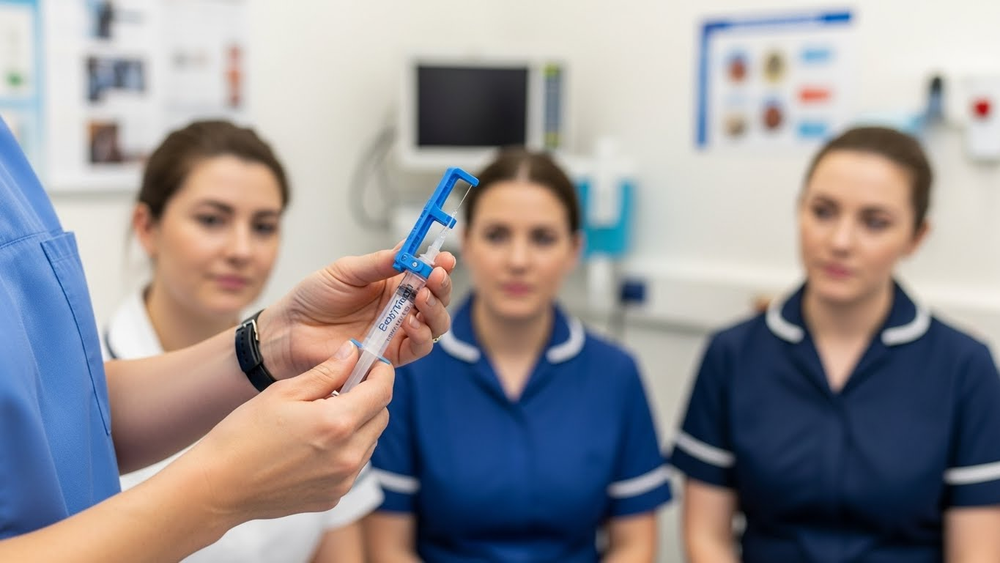
Review: The MHC Medical EasyTouch Fluringe Safety Syringe
Jan 9th 2026
Needlestick injuries still worry healthcare workers across busy medical environments in the United States. Many nurses, technicians, and clinicians face accidental sharps exposure during routine injection tasks. The CDC estimates that over 385,000 sharps injuries occur yearly among hospital-based workers nationwide. These injuries often happen during disposal, recapping, or post-injection handling moments. Such risks have led to the need for safety-engineered syringes in modern healthcare. There is an active use of safer injection devices at hospitals, clinics and outpatient centers to safeguard staff. EasyTouch Fluringe Safety Syringe was designed to target all of these everyday clinical risks. It focuses on safety without slowing down routine medical workflows. This review explains how the design supports safer injections in demanding care settings.
What is the "Fluringe" Mechanism?
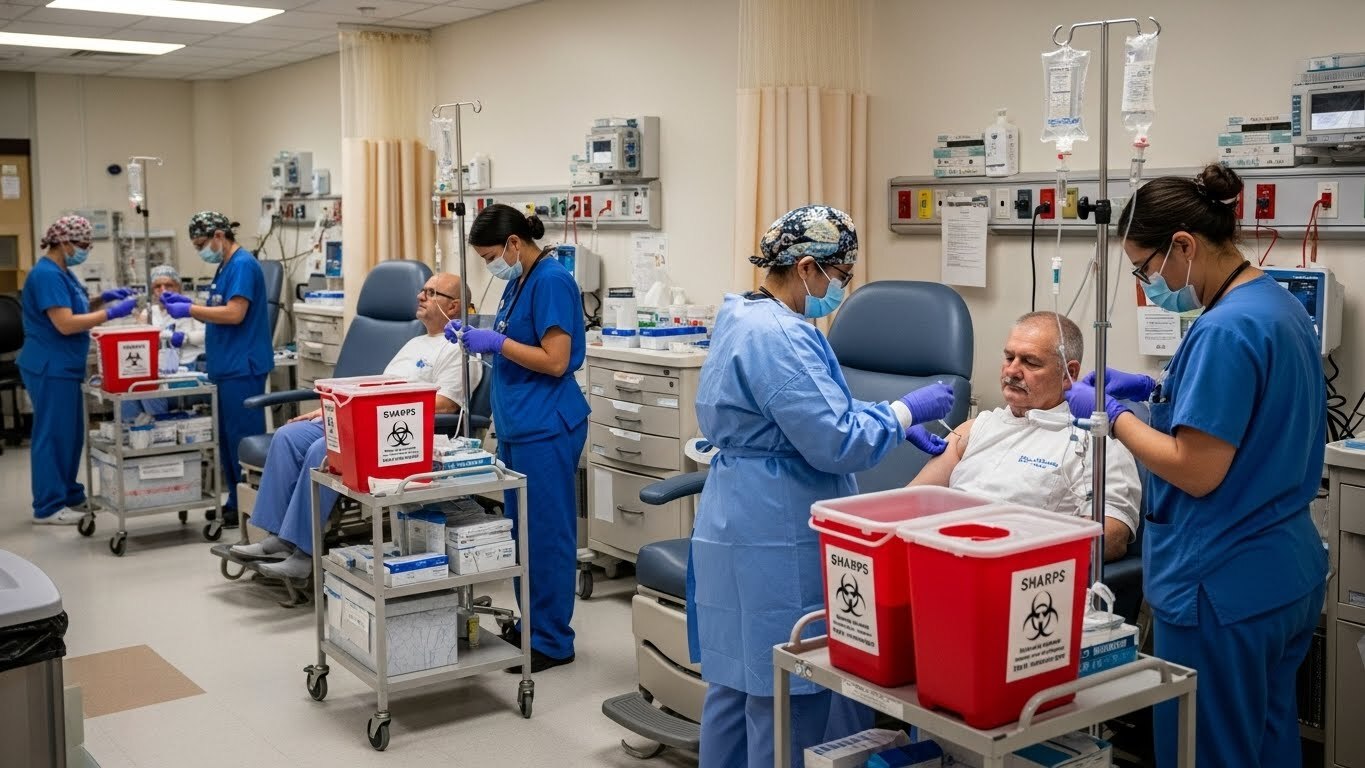
The Fluringe mechanism refers to a built-in needle safety system. This system activates automatically during the normal injection process. Unlike add-on shields, the safety feature works without extra steps. The needle retracts inside the barrel immediately after injection completion. This design reduces hand movements after medication delivery. Fewer steps imply fewer possibilities of accidental needlestick injuries. The mechanism is completely covered in the syringe body. This assists in reducing contact with infected sharps during the processing. These syringes are designed with safety in mind and can help facilitate safer everyday clinical practice. Many facilities use them alongside diagnostic instruments and supplies for high-volume care. These environments benefit from tools that reduce risks without slowing staff performance.
How the Retractable Safety Needle Works
The retractable safety needle activates after medication delivery completes. Further pressure on the plunger activates the internal retraction mechanism. The needle easily slides back into the barrel of the syringe. The needle is locked into the barrel when it is retracted. This lock prevents reuse and blocks accidental post-use exposure. The process happens quickly without additional hand movements. Passive activation supports consistent safety during fast-paced procedures. This approach aligns with modern injury prevention practices. The design follows guidelines from the Needlestick Safety and Prevention Act. Similar retraction concepts appear in other injection-related tools. These tools often accompany hypodermic needles in clinical supply environments. Automatic retraction improves disposal safety for staff and waste handlers.
Benefits for Healthcare Worker Safety
Healthcare workers handle injections frequently across multiple care settings. Diabetes clinics, outpatient centers, and hospitals face higher sharps exposure risks. OSHA reports show safety-engineered devices reduce injury risks significantly. When used correctly, these devices can reduce needlestick injuries by up to eighty percent. The Fluringe system supports safer injection workflows for busy professionals. It minimizes hand repositioning after injections finish. This reduces accidental contact with exposed needles. The design supports consistent use across varying skill levels. Training becomes easier when safety features work automatically. Facilities handling frequent injections benefit from reduced injury incidents. Many of these settings also rely on diabetes monitoring tools daily. Lancets and lancing devices add to the overall sharps exposure risks. Safer syringe designs help manage cumulative workplace hazards effectively.
User Feedback and Ease of Use
Clinicians often value devices that feel familiar during everyday procedures. User feedback highlights the smooth plunger movement during medication delivery. The retraction response feels predictable and reliable during use. Many users prefer designs without manual safety activation steps. Fewer steps reduce confusion during fast-paced clinical routines. This design supports quicker training for new healthcare staff. Consistent performance improves confidence during repeated injections. Facilities often choose safety syringes that integrate easily into workflows. Products like the EasyTouch Fluringe Fliplock with exchangeable needle support the flexibility needs. The EasyTouch Fliplock Safety Syringe 3ml 23g suits varied injection requirements. These devices are often stocked alongside glucose monitoring supplies. EasyTouch glucose test strips commonly appear within the same care settings. Staff appreciate tools that support both safety and efficiency simultaneously.
MHC Medical EasyTouch Fluringe Safety Syringe Design Overview
The MHC medical safety insulin syringe with needle easytouch® fluringe® combines safety with everyday usability. The syringe maintains a familiar shape for clinical comfort. Clear barrel markings support accurate medication measurement. The plunger glides smoothly during injection administration. The retraction feature activates without sudden resistance or force. This reduces patient discomfort during medication delivery. The enclosed needle remains hidden after use completion. This design supports safer handling during disposal. Facilities choosing MHC medical products often prioritize consistent quality. These syringes meet safety expectations across outpatient and inpatient care environments. The design balances protection with performance reliability.
Role of EasyTouch Fliplock in Safety Systems
The EasyTouch fliplock mechanism supports secure needle attachment options. This feature allows stable connections during medication preparation. Secure attachment reduces leaks and handling adjustments. Fewer adjustments reduce exposure risks before injections begin. Fliplock designs support confidence during preparation and administration. Facilities benefit from interchangeable options when handling various injection needs. The combination of Fliplock and retraction enhances overall safety. Staff experience smoother workflows with fewer disruptions. This integration supports compliance with workplace safety policies. Reliable locking systems complement retractable needle technologies effectively.
Importance of Retractable Safety Needle Technology
A retractable safety needle plays a critical role in injury prevention. Retraction eliminates exposed sharps immediately after injection completion. This reduces risks during disposal and waste handling. Automatic systems perform consistently regardless of user fatigue. Fatigue often contributes to handling mistakes in busy settings. Passive safety systems reduce reliance on memory or extra steps. These designs support consistent protection across long shifts. Modern healthcare environments benefit from standardized safety tools. Retractable systems improve safety outcomes without slowing procedures. This technology reflects current priorities in clinical equipment design.
Integration into High-Volume Clinical Environments
High-volume care environments demand reliable safety solutions. Clinics administer thousands of injections weekly across varied patient populations. Staff require tools that maintain speed without compromising safety. The Fluringe design supports repetitive use without performance degradation. Its consistent activation supports predictable workflows. This predictability reduces stress during busy clinical hours. Facilities benefit from fewer injury reports and interruptions. Reduced injuries also lower administrative and compensation burdens. Safer tools support long-term workforce sustainability. These benefits align with institutional safety improvement goals.
Training and Compliance Considerations
Training healthcare staff requires clarity and consistency. Devices with automatic safety features simplify training requirements. Staff learn faster when fewer steps are involved. This supports quicker onboarding of new team members. Compliance improves when safety features activate passively. Passive systems reduce user-dependent error risks. Facilities meet regulatory expectations more easily with standardized tools. Consistent device behavior supports policy adherence. The Fluringe design aligns with modern compliance frameworks. This makes adoption easier across diverse care environments.
Clinical Workflow Efficiency
Efficient workflows depend on predictable equipment performance. The EasyTouch Fluringe supports smooth injection delivery. Retraction does not interrupt the injection process. This prevents workflow delays during patient care. Staff maintain focus on patient comfort and accuracy. Reduced handling steps save time during high-volume procedures. Efficient tools support better patient throughput. This benefits both staff and facility operations. Workflow efficiency remains critical in modern healthcare delivery.
Infection Control Considerations
Control of infections is a main concern in all healthcare settings. The retractable needles will minimize post usage exposure to contaminated sharps. This prevents risks of contamination of the surface during disposal. Enclosed needles protect housekeeping and waste staff. Proper disposal supports broader infection prevention efforts. Safety syringes complement existing infection control protocols. These tools support safer environments for patients and workers. Consistent use strengthens the overall safety culture within facilities.
Durability and Material Quality
Material quality influences syringe reliability during repeated use. The Fluringe syringe maintains structural integrity during injections. The barrel resists cracking under normal pressure. Plunger materials support smooth movement without sticking. Consistent quality reduces device failure risks. Facilities rely on dependable performance during critical procedures. Quality materials support patient safety and staff confidence. Reliable construction supports long-term institutional trust.
Applicability Across Care Settings
The EasyTouch Fluringe suits various healthcare environments. Hospitals use it for inpatient medication administration. Clinics rely on it for outpatient treatments. Specialty centers benefit from its safety-focused design. Home care providers also value reduced sharps exposure risks. Versatility supports widespread adoption across care models. Facilities appreciate tools that adapt across departments. This flexibility enhances procurement efficiency.
Cost and Safety Balance
Safety-engineered devices must balance cost and protection. The Fluringe design offers strong safety benefits. Reduced injury incidents and lower indirect healthcare costs. Fewer injuries reduce staff downtime and compensation claims. Long-term savings support institutional budgeting goals. Facilities increasingly view safety investments as cost-effective. The balance between safety and affordability matters greatly.
Conclusion
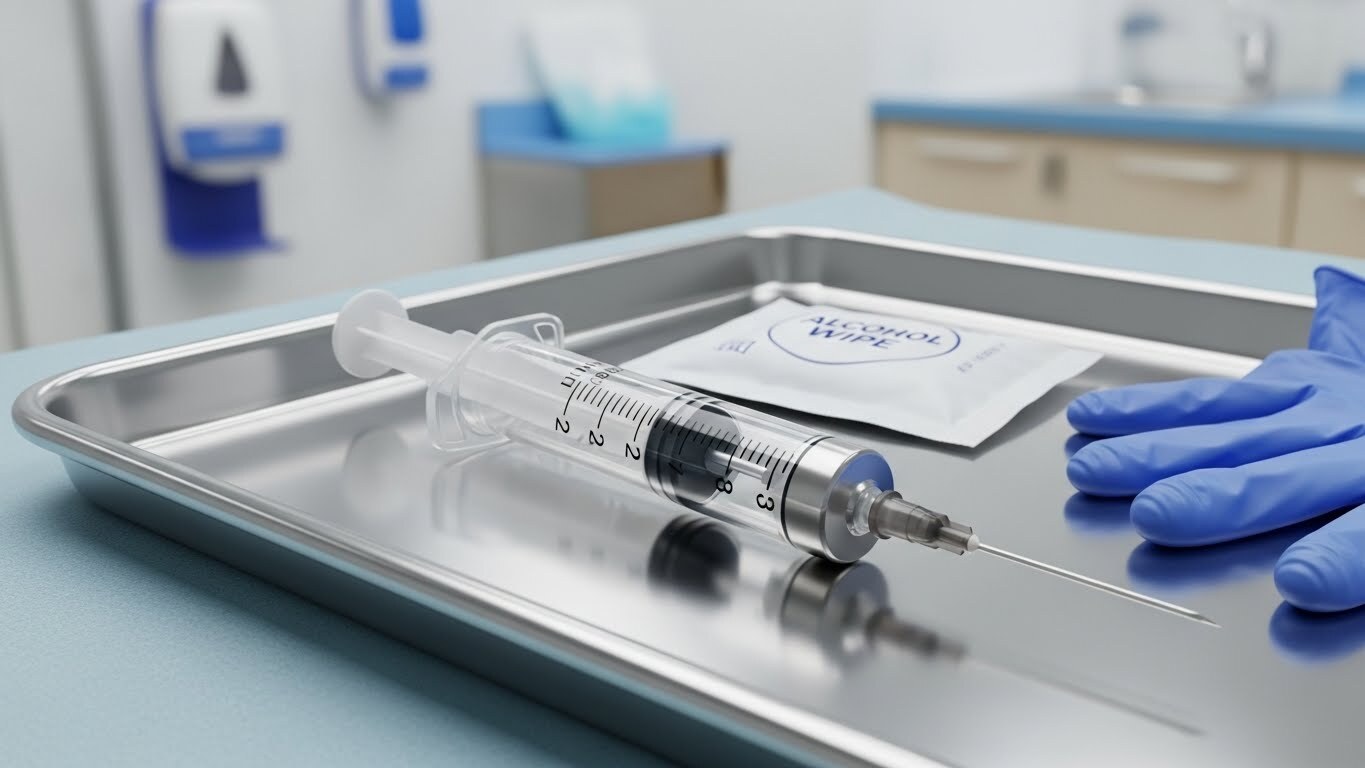
The EasyTouch Fluringe Safety Syringe reflects modern healthcare safety priorities. Its retractable design supports consistent protection for healthcare workers. Passive activation reduces errors during busy clinical routines. Ease of use supports faster training and better compliance. These qualities make it suitable for high-volume care environments. Facilities prioritizing staff safety benefit from its thoughtful design.
Understanding safety-engineered syringe design supports informed clinical purchasing decisions. Knowledge helps protect staff while maintaining efficient patient care workflows. Choosing reliable safety devices strengthens long-term healthcare safety strategies.