
Lancing Devices: Features to Look For
Aug 18th 2026
A lancing device doesn't get much attention until it's uncomfortable, inconsistent, or hard to load at which point it becomes the one part of daily glucose testing that people actively dread. Since comfort directly affects how consistently people test, the features below aren't cosmetic; they're the difference between a device that fades into the background of a daily routine and one that makes people put off testing.
Adjustable Depth Settings
Depth control is the single feature that matters most. Every lancing device drives the lancet to a set depth, and matching that depth to your skin thickness determines both how much it hurts and whether you get a usable sample on the first try.
Most adjustable devices offer either 5 or 9 depth levels. Five-level devices cover most adults adequately; 9-level devices give finer control, useful for anyone with noticeably thin or noticeably thick skin, or for testers who've found that the "obvious" setting for their skin type still isn't quite right. The practical approach: start at the lowest setting that reliably gives you enough blood, and adjust up only if you're having to re-stick.
Spring-Loaded Mechanism
The spring is what makes a lancing device fast enough that you don't have time to flinch. A smooth, well-built spring releases the lancet in one clean motion and retracts it immediately afterward, which matters for two reasons: less vibration on entry means less perceived pain, and immediate retraction means the lancet doesn't linger against skin longer than necessary.
Cheaper or worn springs tend to feel "sticky" or inconsistent noticeable as a device that sometimes needs a second press to fire. That inconsistency is often the real source of a testing routine that feels unreliable, more than the lancet gauge itself.
Alternate Site Testing (AST)
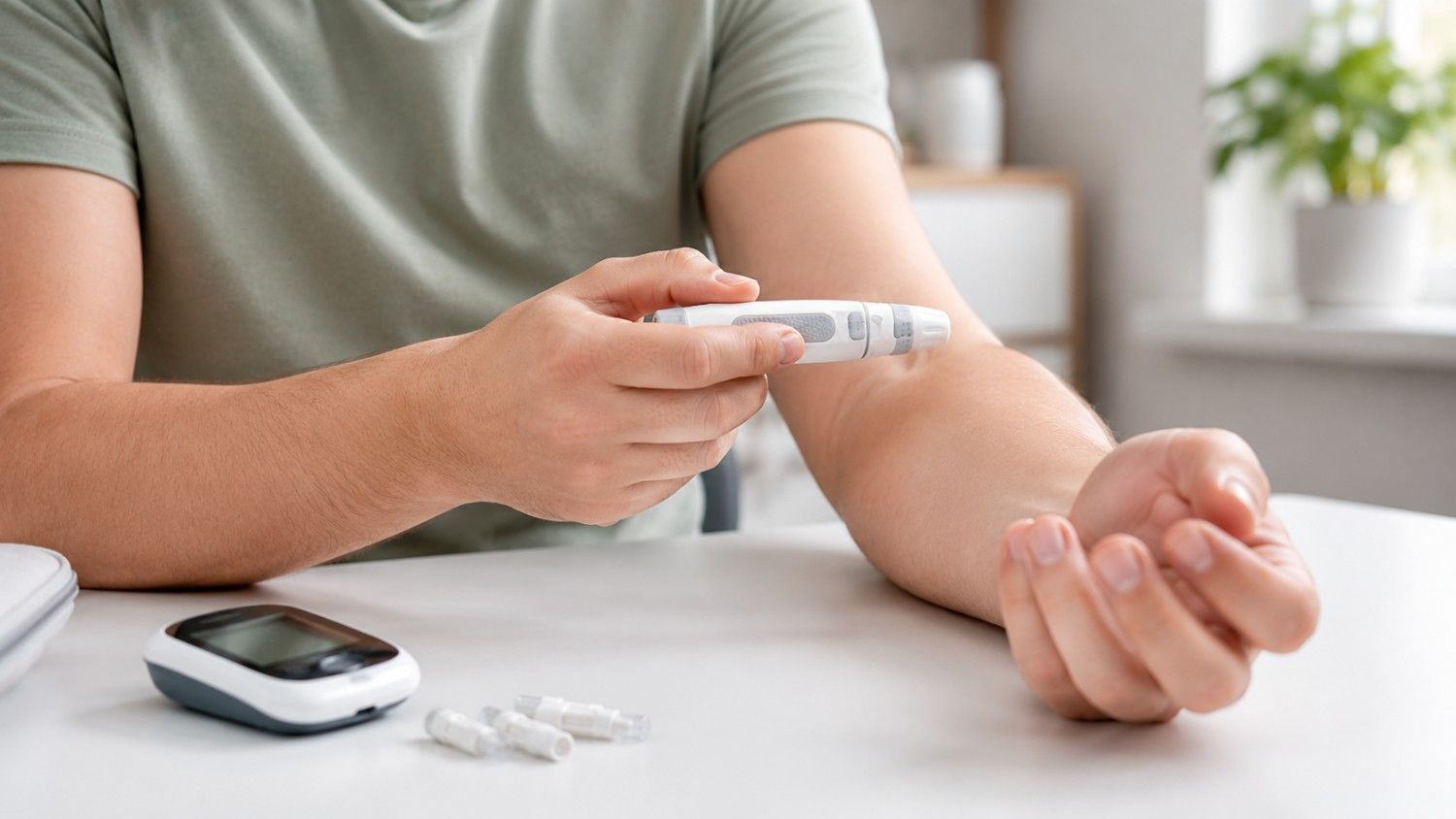
Fingertips have a high concentration of nerve endings, which is exactly why repeated fingertip testing gets sore over time. Devices built for alternate site testing come with a separate clear cap designed for use on the forearm or palm, where there's less nerve density and typically less discomfort.
Two things worth knowing before relying on AST: results from alternate sites can lag behind fingertip readings during rapid glucose changes (right after eating, exercising, or treating a low), so the FDA and most manufacturers recommend fingertip testing during those windows. And not every meter or strip combination is validated for alternate site use confirm compatibility before making it your everyday routine rather than an occasional option.
Easy Lancet Loading
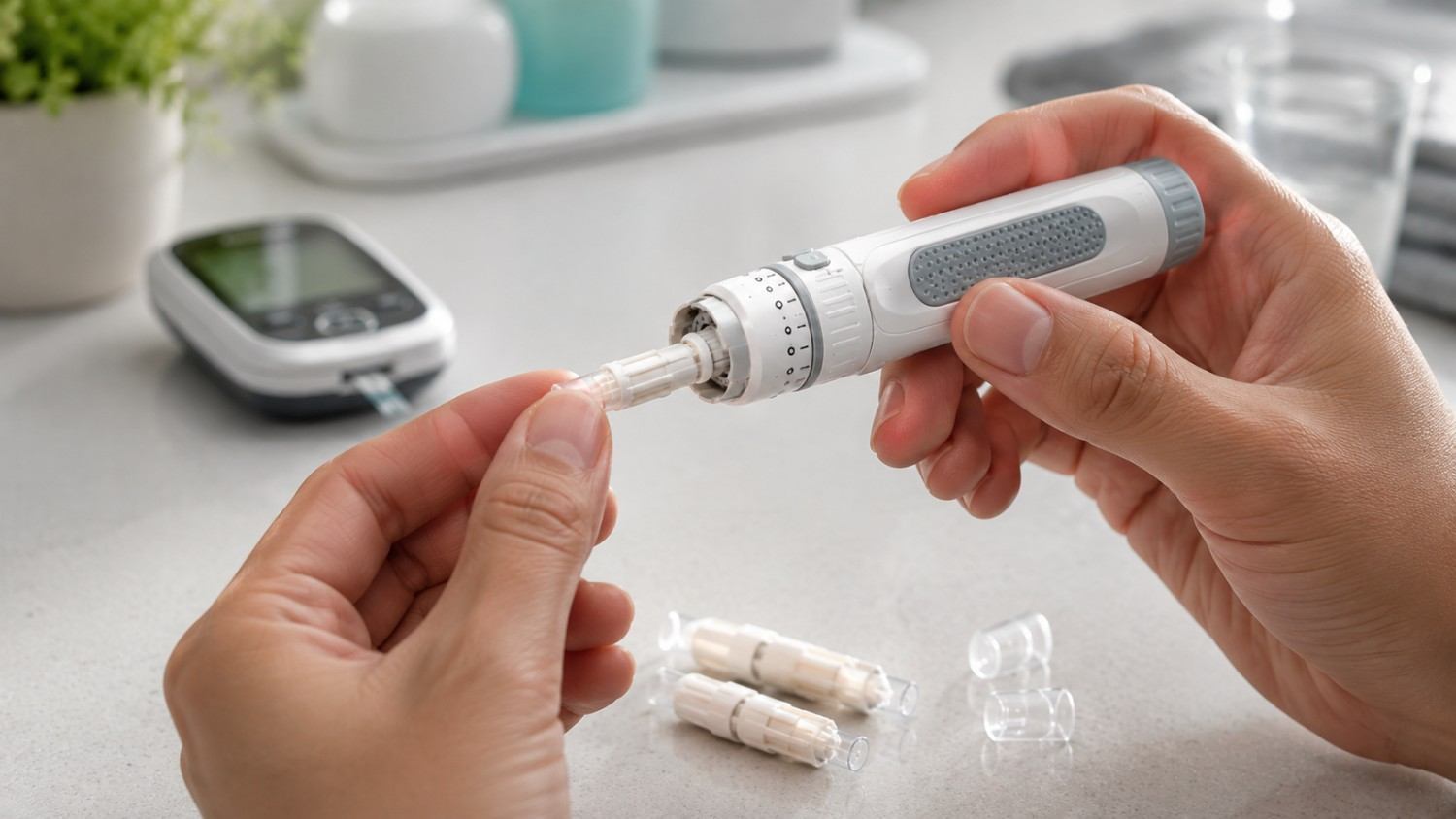
A device that's fiddly to load adds friction to a routine that's supposed to be quick. Twist-style lancets with a simple insert-and-turn design reduce handling time and keep the sterile tip covered until the moment of use, which also lowers contamination risk from repeated handling. Gauge selection plays into this too thinner gauges like 32G or 33G reduce discomfort for most routine testing, while a thicker 28G or 30G may be worth the trade-off for anyone who struggles to get a sufficient sample.
Ergonomic Grip
The last feature is the easiest to overlook until you're testing multiple times a day: how the device actually feels in your hand. A textured, non-slip grip keeps the device stable during activation, which matters more than it sounds a device that shifts slightly on activation can turn a clean, quick stick into a dragging one. Compact, lightweight designs also matter for anyone testing outside the home, where the device needs to survive being tossed in a bag without extra bulk.
Frequently Asked Questions
Should I use a 5-level or 9-level lancing device?
Five levels are enough for most adults. Nine levels are worth it if you have noticeably thin or thick skin and haven't found a comfortable setting on a simpler device.
Can I use alternate site testing every time I check my glucose?
You can for routine, stable-state checks, but fingertip testing is still recommended right after eating, exercising, or treating a low, since alternate-site results can lag behind fingertip readings during rapid changes.
Does a thinner lancet gauge always mean less pain?
Generally yes, but it also means a smaller blood sample worth balancing against how easily you draw a sufficient sample at your current depth setting.
How do I know if my lancing device's spring needs replacing?
If it feels inconsistent, requires a second press to fire, or the retraction feels sluggish, that's usually a sign of spring wear rather than technique.
Ready to find the right fit? Browse Arpovo's adjustable lancing device and pair it with EasyTouch Twist Lancets in the gauge that suits your testing routine.