
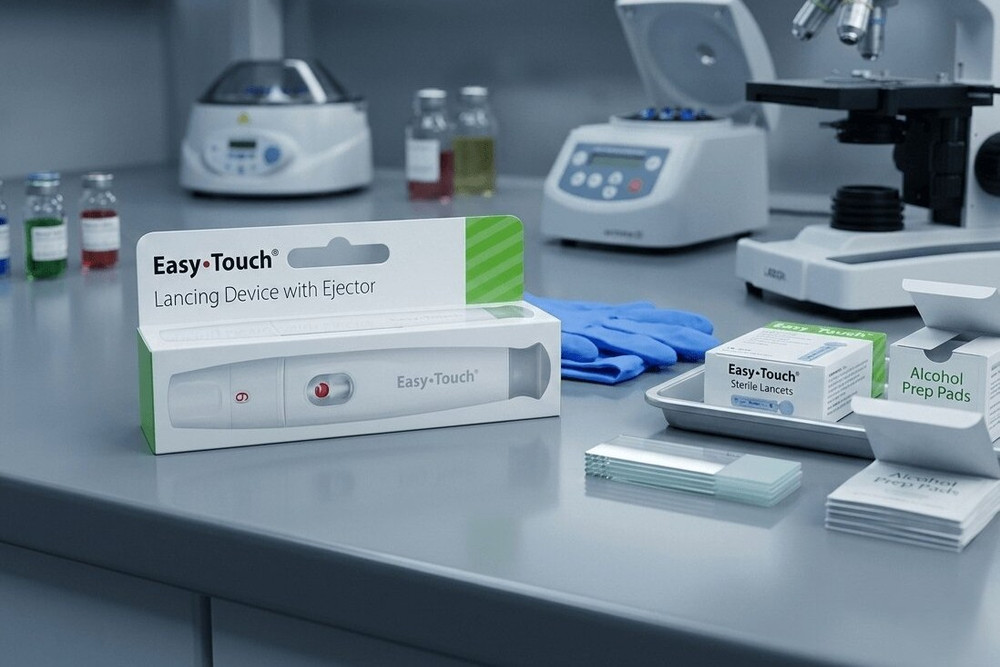
Lancing Devices: Features to Look For
Mar 6th 2026
Daily glucose testing shapes long term diabetes control success. A reliable lancing device for diabetes improves comfort and confidence. Testing comfort directly affects how often people check glucose levels. In the United States, over 37 million people live with diabetes. The Centers for Disease Control and Prevention reports this growing health burden clearly. This rising number increases demand for patient friendly testing tools.
The American Diabetes Association recommends consistent self monitoring for better outcomes. Comfortable tools support regular testing and reduce long term complications. A high quality diabetic lancing device should feel stable and simple. Key features strongly influence daily testing habits and accuracy.
Depth control, spring strength, and grip design matter greatly. Educational guides on adjustable lancing device options explain these benefits clearly. Choosing the best lancing device requires understanding these features first.
Adjustable Depth Settings
Lancing device depth settings help control how deeply the lancet enters skin. Proper adjustment reduces pain while ensuring enough blood flow. An effective adjustable blood sampling device supports personalised comfort and accuracy.
5-Level vs 9-Level Devices
Adjustable depth settings allow safe control over puncture depth. Five level devices provide basic flexibility for most adults. Nine level devices offer finer control for varied skin types. Greater control helps create a more painless blood sampling device experience. Sensitive skin benefits from shallow penetration with stable release. Thicker skin may require slightly deeper controlled settings.
Multiple depth options improve blood sample consistency over time. Products described in adjustable device guides highlight comfort benefits clearly. A well designed lancing device for diabetes includes visible setting indicators.

Finding Your Setting
Optimal depth depends on skin thickness and hydration levels. Testing site choice also affects required penetration depth. Users should begin with the lowest comfortable setting. Gradual adjustment improves blood volume without extra discomfort. Routine practice builds familiarity and reduces anxiety.
Consistent technique improves accuracy and testing confidence. Proper lancing device depth settings reduce repeated punctures. A stable routine supports reliable glucose monitoring habits.
Spring-Loaded Mechanism
A high quality spring-loaded lancing device ensures smooth activation. Controlled release reduces vibration during lancet movement. Lower vibration often decreases pain perception significantly. Reliable retraction protects fingers after puncture. A strong spring also supports consistent penetration depth. Stable activation improves compatibility with different lancet gauges.
Painful testing lowers adherence to glucose monitoring routines. Research links discomfort with poor glucose control outcomes. A smooth internal mechanism supports a truly painless auto-lancet device design. Many users consider spring quality when selecting the best auto-lancet device.
Alternate Site Testing Capability
Repeated fingertip testing can cause soreness and irritation. An alternate site testing lancing device offers helpful flexibility. This feature allows testing from forearm or palm areas.
Clear Cap Attachments
An auto-lancet device with a clear cap improves site visibility. Clear caps allow accurate placement on alternate skin areas. Better visibility improves blood collection success rates.
Many kits include optional caps for flexible routines. This design supports daily variation without sacrificing accuracy. Users appreciate clear guidance during sample collection.
AST Benefits
Alternate site testing reduces fingertip soreness from frequent checks. This method benefits users testing several times daily. The U.S Food and Drug Administration provides safety guidance for alternate testing. Following guidance helps maintain reliable glucose readings.
Consistent use of compatible strips supports accurate monitoring. Accuracy discussions often explain how strips influence results. Combining proper strips with an alternate site testing lancing device improves reliability. Users should confirm strip compatibility before routine alternate testing.
Easy Lancet Loading
Simple loading systems reduce frustration during daily testing. Twist style lancets allow quick insertion and removal. Safety caps protect sterility before first use. Clean handling lowers contamination risks during testing. Gauge size strongly affects comfort and blood flow. Thinner gauges like 30G or 32G reduce discomfort. Slightly thicker gauges may improve blood volume consistency. Users should match gauge size with preferred depth setting.
A balanced system supports a comfortable lancing device for diabetes routine. Market growth in self monitoring reflects rising chronic disease rates. Ageing populations increase demand for easy to use devices. A well designed diabetic lancing device simplifies daily care.

Ergonomic Grip Design
Grip comfort shapes long term user satisfaction. An ergonomic lancing device improves stability during activation. Textured surfaces prevent slipping during testing.
Stable grip reduces sudden movement during puncture. Compact shapes support travel and portable routines. Lightweight devices fit easily into daily supply kits.
Home healthcare growth increases the need for simple tools. Comfort focused design improves adherence to testing schedules. A strong ergonomic design supports confidence and independence. Many users prioritise grip comfort when choosing the best auto-lancet device. A well balanced body enhances overall device control.
Conclusion
Selecting an auto-lancet device for diabetes requires careful feature review. Comfort remains central to consistent daily glucose monitoring. Proper auto-lancet device depth settings improve accuracy and reduce pain. A reliable spring-loaded lancing device ensures smooth performance.An alternate site testing lancing device offers flexible sampling options.
Choosing a blood sampling device with a clear cap improves placement accuracy. Simple loading systems support hygiene and ease of use. An ergonomic auto-lancet device enhances stability and comfort. As diabetes rises in the United States, informed choices matter. Thoughtful device selection strengthens long term self monitoring success.
[ Explore Advanced Lancing Devices for Comfortable Daily Testing ]