
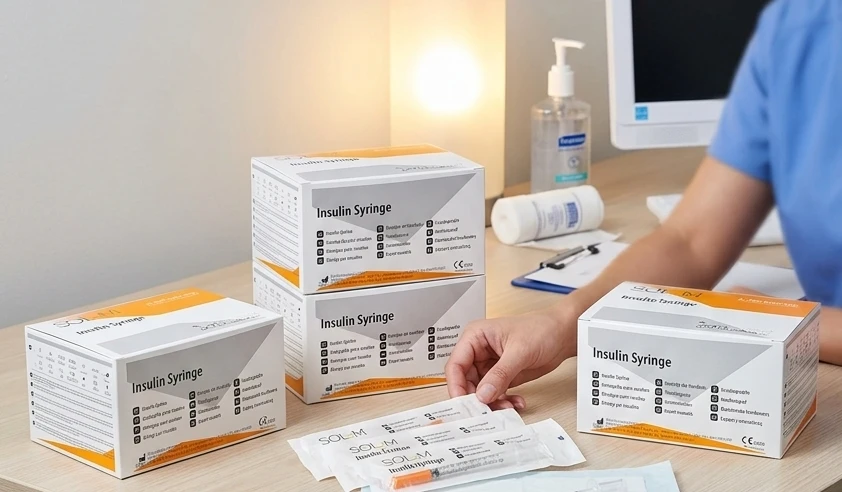
How to Safely Dispose of Used Needles and Syringes: A Complete Guide
May 1st 2026
Improper storage and handling of used needles can cause problems. This includes infection and harm to others. Everyone stays safe following the safe disposal of needles and syringes. Safe disposal of needles and syringes is safe for everyone. By taking some precautions, injuries and harm can be avoided in homes and communities.
In the United States, millions depend on sharps for daily treatments. Such as diabetes management, hormone therapy, and vitamin shots. The U.S. Food and Drug Administration provides safe disposal guidance. Public data shows over nine million users create billions of shares yearly.
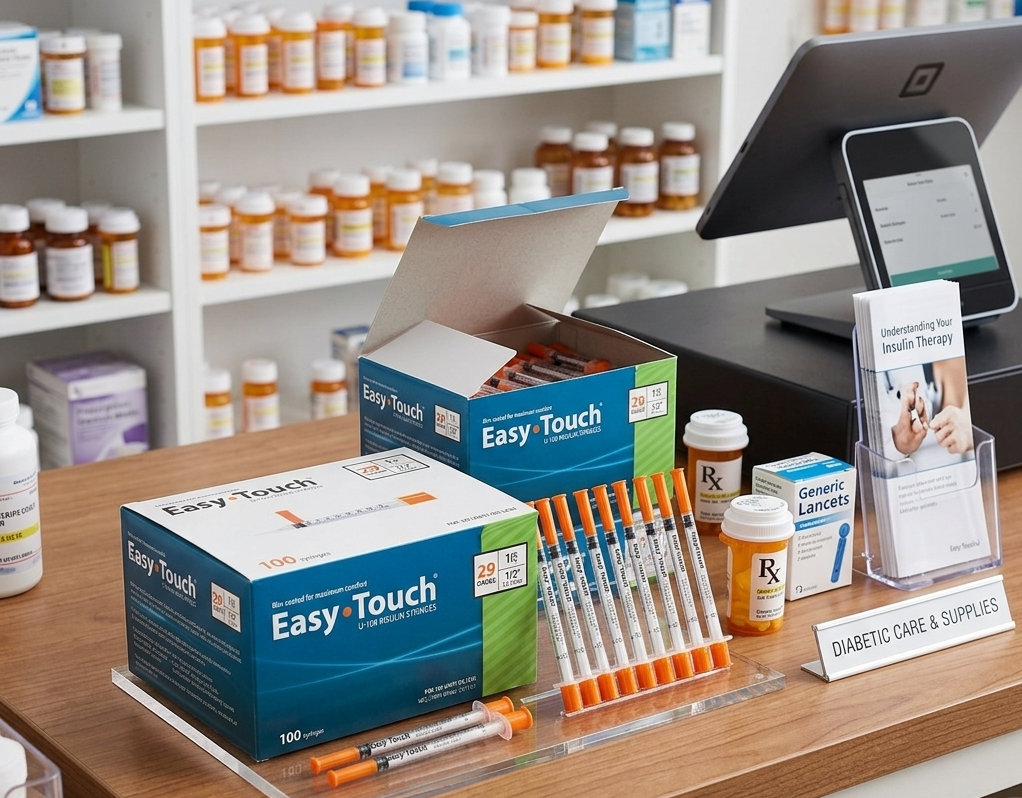
Why Safe Sharps Disposal Is a Public Safety Issue
Improper disposal impacts households, communities and waste management deeply. It creates risks not only for users but also for public workers daily. Safe sharps disposal at home plays a major role in community safety. Proper handling prevents accidents and supports overall public health protection systems.
Unsafe disposal spreads contamination and increases infection risks across environments. Workers handling waste face serious dangers from hidden sharp objects daily. Understanding where to dispose of syringes reduces these avoidable safety threats. Public awareness prevents injuries and enhances safe disposal practices.
Environmental Contamination, Needlestick Injuries to Sanitation Workers
Needles can be lost in landfills, on the street or even in public places. Needles can also be accidentally exposed to waste collectors. These can transmit hepatitis B, hepatitis C and HIV.
- Loose sharps pollute waste systems and damage environmental safety
- Workers face hidden injury risks during routine garbage handling
- Exposure can spread serious bloodborne infections quickly
According to health surveys thousands of needlestick injuries occur annually. These dangers show that it is important to follow safe disposal practices, not only for personal health concerns.
Never Throw Loose Needles in Household Trash
Putting loose sharps in the waste stream poses a risk to garbage collectors. When pointed objects are crushed by the weight of other items, the sharp item can cut through the trash bag. This can cause injuries and infections.
Unsafe practice with sharps is discouraged by the FDA. The safe disposal of syringes and needles is risk-free. Appropriate sharps disposal ensures a safer environment.
FDA-Approved Disposal Options
The FDA recommends practices to safely dispose of sharps at home. They reduce potential risks of injury and comply with regulations. Safe options promote worker safety.
Knowing different systems aids in choosing the right disposal option. Every system has its advantages based on access and convenience. Correctly disposing of sharps at home is always important.
Option 1: FDA-Cleared Sharps Containers
FDA compliant containers are made from robust plastics. They have tamper-proof closures and won't leak liquids. They have labels stating "hazardous waste".
These containers are safe for home and clinic use. They are made for sharps storage before final disposal. Using a proper needle disposal box greatly reduces injury risks.
Option 2: Mail-Back Programs
Mail-back services allow the safe return of used sharps to disposal facilities. Users place sharps in prepaid containers and send them for safe destruction. This method ensures proper handling without needing local disposal centers nearby.
Mail-back sharps programs aid if nothing else is available. They meet strict sharps transport and disposal guidelines. They offer safe & convenient disposal.
Option 3: Community Drop-Off Programs (Pharmacies, Health Departments)
Many regions have safe sharps disposal drop-off sites. These can be found in pharmacies, hospitals, or health department facilities. They reduce unsafe disposal by making sharps disposal accessible.
Community programs support safer environments through organized disposal systems. They promote best practices and minimize poor disposal. Know where to safely and appropriately dispose of syringes.
Option 4: Safe Needle Disposal Sites Find One Near You
Online resources allow easy identification of the nearest safe disposal sites. These are run by health and environmental safety organisations. They guarantee that sharps are disposed of safely and securely.
National safe disposal programs are supported by the Environmental Protection Agency. Their waste management protects public and environmental health. Use local tools to find approved disposal locations near your home.
State-by-State Rules: How Laws Differ
Sharps disposal laws differ significantly across states and local areas. These differences affect what disposal methods users can legally follow. Understanding syringe disposal laws by state helps ensure proper compliance always.
Many states use pre-approved containers, with some exceptions. These may vary between urban and rural areas. Seek advice for safe and compliant sharps disposal.
Safe Use of Household Container Option (Some States Allow It)
Some states allow strong household containers for temporary sharps storage use. These include thick plastic bottles like detergent or cleaning product containers. They must be puncture-resistant and tightly sealed before disposal.
- Use only strong plastic containers with secure tight-fitting lids
- Label clearly to show hazardous sharps waste inside the container
- Never use glass or thin plastic containers for safety reasons
Even when allowed, a proper needle disposal box remains the safest choice. Approved containers provide better protection and reduce risks during handling stages.
How to Fill a Sharps Container Safely
Safe container use is important during daily sharps handling routines. Incorrect filling increases the risk of injury and accidental needle exposure. Following simple steps ensures safer handling before the final disposal stages.
Good habits help prevent accidents and protect people handling the container later. These steps support effective sharps disposal at home without added risks. Always follow safety guidance during every stage of sharps handling.
Never Recap, Fill to 3/4 Full, Seal and Label
Avoid recapping needles because it increases risk of accidental injuries. Fill the container only until it reaches three quarters capacity safely. Overfilled containers can cause pressure and increase puncture risks significantly.
- Never recap needles after use to prevent accidental injuries
- Stop filling once container reaches safe capacity level
- Seal tightly and label clearly before final disposal
Labeling ensures ease of recognizing the dangers. This ensures safe travel and minimizes risks during disposal.
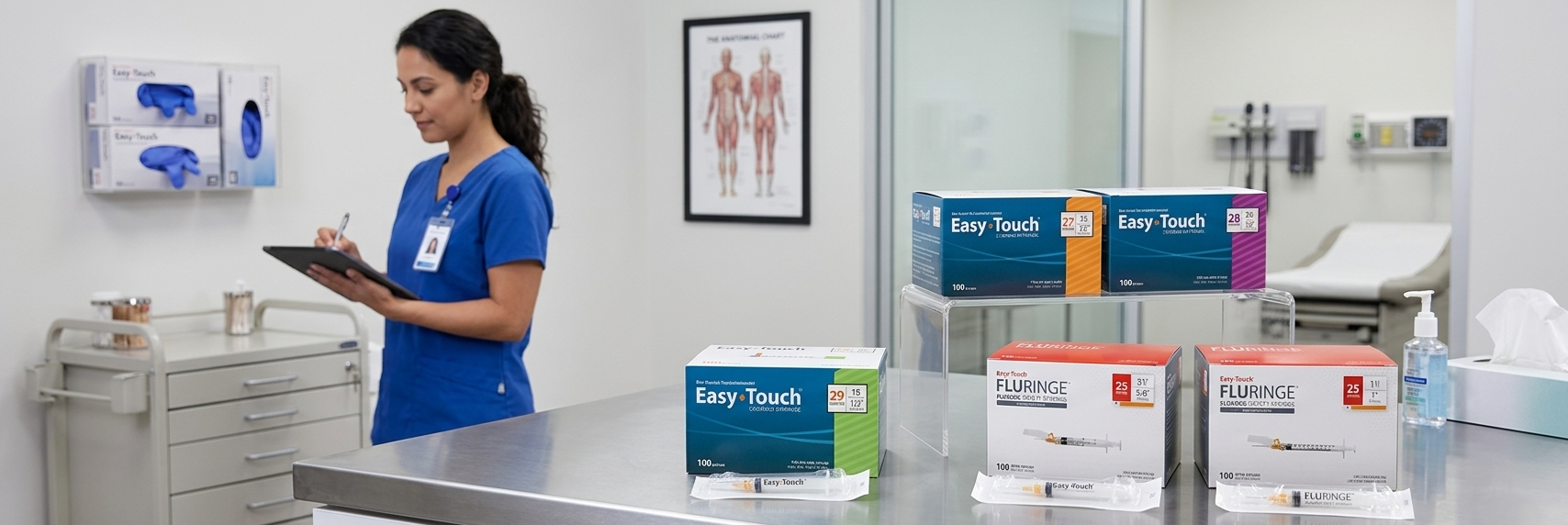
Sharps Containers: What to Look For When Buying
Choosing the right container improves safety and supports proper disposal habits. Not all containers provide the same level of protection against sharp objects. Selecting approved options reduces risks during storage and transport stages.
A good container ensures safe handling for both users and waste workers. It also helps meet legal requirements for proper sharps disposal practices. Use a certified needle disposal box for best safety results.
FDA-Cleared, Puncture-Resistant, Leak-Proof Seal
A safe container must resist punctures from sharp needles and syringes. It should also prevent leaks of any fluid inside the container. Clear labels help identify medical waste quickly during disposal handling.
FDA-cleared containers meet strict safety standards for medical waste storage. They undergo rigorous testing for the highest protection during normal use. Select reliable containers for safe storage and disposal.
Traveling with Sharps: Hotel and Flight Rules
When travelling, consider safety and regulations. Travel with sharps in containers during trips and travel. Doing so will reduce risk and avoid travel-related issues.
Airlines allow medical sharps when properly declared with required medications. When staying at hotels, ask for help. Find syringe disposal sites when visiting the new locations.
The Transportation Security Administration (TSA) accepts travel with medically necessary sharps if they are documented. Planning helps prevent potential problems at airport security and travel. Always travel with a safe and secure needle disposal box.
Safe sharps disposal protects people, workers, and the environment effectively. It reduces injury risks and prevents the spread across communities. Following how to dispose of needles and syringes safely ensures better protection daily.
Millions rely on sharps, making safe disposal a shared responsibility always. Understanding syringe disposal laws by state helps ensure proper legal compliance everywhere.
? Take action today and follow safe sharps disposal at home practices consistently.