
How to Reconstitute a 5mg Vial of BPC-157
Dec 5th 2025
Many people feel nervous the first time they prepare a small peptide vial. The process looks simple, but beginners often worry about each small step. You can feel more confident by learning how experts handle reconstitution in calm and slow ways. Reconstitution happens daily in many IV clinics and research places across the US. Staff members follow simple steps because these steps keep everything clean and predictable. You can follow the same safe approach with a little planning.
Many users want to know how to reconstitute BPC 157 5mg without feeling lost. You only need clean tools, gentle movements, and patience during the mixing process. The right steps protect your BPC-157 from damage during the early stages. Accurate mixing also helps you understand your final dose more clearly each time. Most US wellness teams use sterile water options to keep everything stable. These methods make reconstitution easier and help you avoid confusion.
When you understand the tools and the slow-water approach, everything becomes smoother. You can protect the peptide with a gentle flow of liquid instead of a strong force. You can also keep your workspace clean and simple without adding stress. The whole idea behind safe reconstitution is slow movement and clear thinking. You will feel much more confident after learning the basics of good preparation.
Equipment Needed for Reconstitution
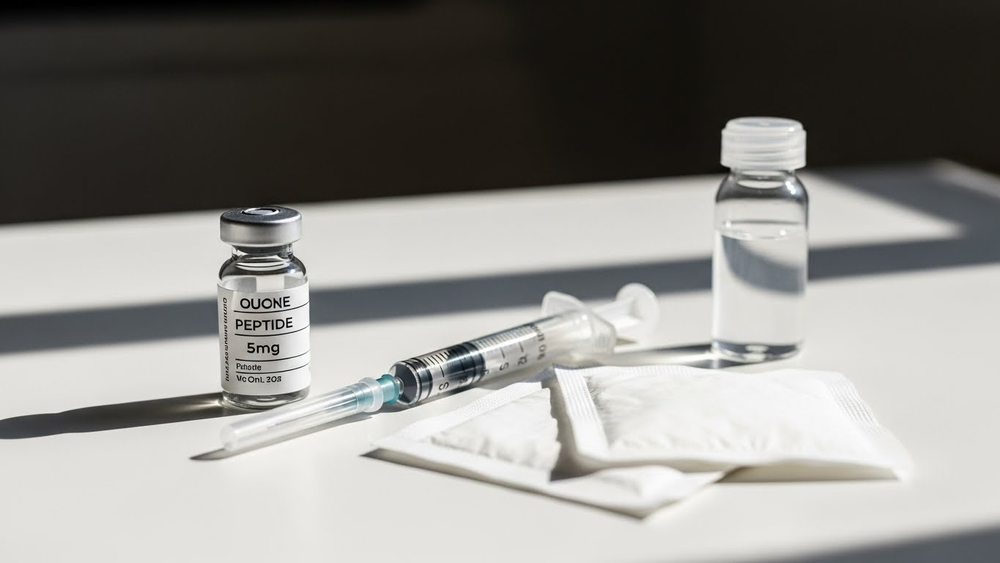
You only need a few simple tools for this mixing process at home. You need one sealed 5mg peptide vial, one clean syringe, and one sterile water source. You also need alcohol wipes to keep each top clean before use. These products help you in following the same routine as most professionals.
Bacteriostatic water is popular with most users due to its prolonged stability after opening. The water has a small amount of benzyl alcohol and this keeps it safe. Many guides explain why the right water matters for stability in daily use. Understanding different water choices helps you decide which option supports your method. These choices allow you to avoid mistakes during the reconstitution process.
You may compare bacteriostatic water with other water types for reconstitution. Many users feel more relaxed using it because it stays usable for longer periods. US clinics also use sterile water options to keep their mixing clean and controlled. These clinics follow safe routines every day, which helps them create consistent solutions. You can follow these same simple habits without feeling overwhelmed. The following are the key instruments that are utilized in peptide reconstitution and they help in keeping your reconstitution clean and easy whenever you are preparing a vial.
- Alcohol wipes for cleaning
- A syringe for drawing the water
- Sterile vials for safety
- A clean working surface
Step 1: Calculating Your BAC Water Volume
You must decide how much bacteriostatic water you want to add to your 5mg vial. This water becomes the liquid that mixes with the powder to create your final solution. Your volume choice depends on how clearly you want to measure each dose. People choose different amounts depending on their comfort and needs.
In many US wellness settings, a smaller volume creates a stronger final mixture. This stronger mixture gives you more peptide per milliliter. Beginners often choose a slightly larger volume because it helps with easy measurement. A clear measurement removes guesswork and creates simple math for each use. Many people prefer this because they want calm and simple dosing.
Example Calculation for Easy Dosing
If you add 2mL of bacteriostatic water to a 5mg vial, you create a clear ratio. You will end up with a simple number that is easy to remember. Every 0.1mL will equal 0.25mg of BPC-157. Many people like this system because it avoids confusion. This ratio is clear and helps reduce mistakes during daily use.
Guides about general solutions often highlight how clear numbers reduce errors. These guides help many beginners understand the power of good measurements. When you work with simple doses, your full routine becomes easier. Clear measurements support you during each step of your peptide reconstitution process.
Your calculation choice helps create a smooth workflow every time you prepare your vial. You can feel relaxed when you understand the math behind the mixing process. You can repeat the same volume choice each time for consistent results. These small habits help you build a steady and safe routine.
Step 2: The Reconstitution Process
Once you choose your volume of bacteriostatic water, the process becomes easier. You only need slow movements and clean tools to protect the peptide during mixing. Many US clinics use a gentle water technique because a strong force can harm the structure. Gentle reconstitution helps keep the peptide stable during the first few minutes.
Preparing the Vials
You start by cleaning both vial tops with alcohol wipes. Cleaning helps remove dirt or germs from the rubber surface. This wipe step is used in most guides across the US. These guides teach beginners to keep everything clean at all times. It becomes a simple habit that supports your whole reconstitution routine.
Keeping the working area clean builds confidence. You know your tools and vials are safe for use after wiping them. Clean tops help prevent contamination during mixing. This simple cleaning step keeps your solution stable and safe during storage.
Injecting the BAC Water Slowly
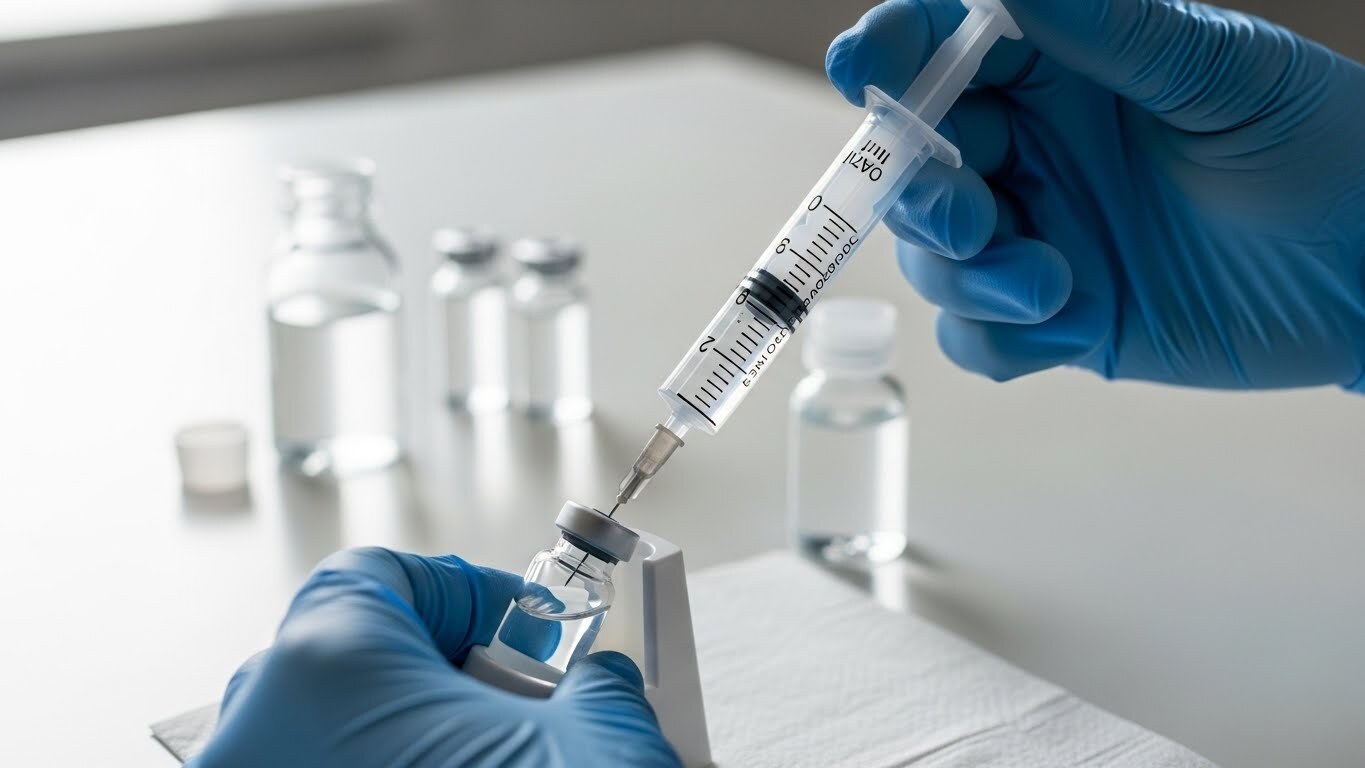
Draw your chosen amount of bacteriostatic water into your syringe. Hold the vial firmly and insert the needle gently through the rubber. Aim the water against the glass wall inside the vial. This slow movement helps protect the delicate powder at the bottom. The water spreads along the wall and flows slowly across the powder.
Many professionals use this slow-water technique during peptide reconstitution. It prevents strong forces from breaking delicate structures inside the mixture. This gentle flow helps the powder dissolve without shaking. The powder dissolves naturally in a few minutes. You can watch as the liquid becomes clear without any effort.
Most users avoid shaking because shaking harms some peptides. Clear and slow movement supports stability during the early stages. You can tilt the vial gently if needed, but shaking is not recommended. A soft tilt is enough to help the powder settle into the water. Your solution becomes smooth when you combine patience and gentle motion.
This whole process becomes easier with practice. You begin to move slowly without forcing anything. This calm method becomes your natural routine as you rehearse each step. You protect the peptide, maintain safety, and create a consistent mixture every time. Slow reconstitution also reduces mistakes and helps you feel in control.

Conclusion
Reconstituting a 5mg vial becomes much easier when you follow simple steps. You use clean tools, slow movements, and reliable sterile water. These steps match the methods used in many US wellness settings. These methods reduce waste and create stable solutions that store well. You can understand your diluents more clearly when using calm and simple explanations.
Guides about reconstitution help make the process easier to understand. These guides show how water types, volume choices, and steady movements affect your results. You can feel more confident with each new vial because your process becomes familiar.
If you want to learn more about solution types or dilution ideas, you can explore different sterile water options used in US wellness practices. You can read simple resources from trusted healthcare providers that explain these topics in easy words.