

How to Properly Irrigate a Wound Before Applying a Dressing
Apr 6th 2026
Cleaning a wound correctly makes a big difference in healing speed. The majority of people fail to follow correct procedures, which increases the likelihood of infections and prolonged recovery times. Learning how to irrigate a wound helps remove dirt before applying a dressing.
Wound irrigation removes bacteria and lowers the chances of serious complications. In the United States, millions receive wound treatment every year. The healthcare system spends billions of dollars each year to treat more than 6.5 million patients who suffer from chronic wounds.
Infectious agents will remain present until wound cleansing reaches complete resolution which leads to better infection control and quicker healing times. Proper wound cleaning before dressing ensures better results with treatment products. Medical professionals can attain better patient outcomes through basic treatment methods which enable them to decrease the number of times patients need to return for medical care.
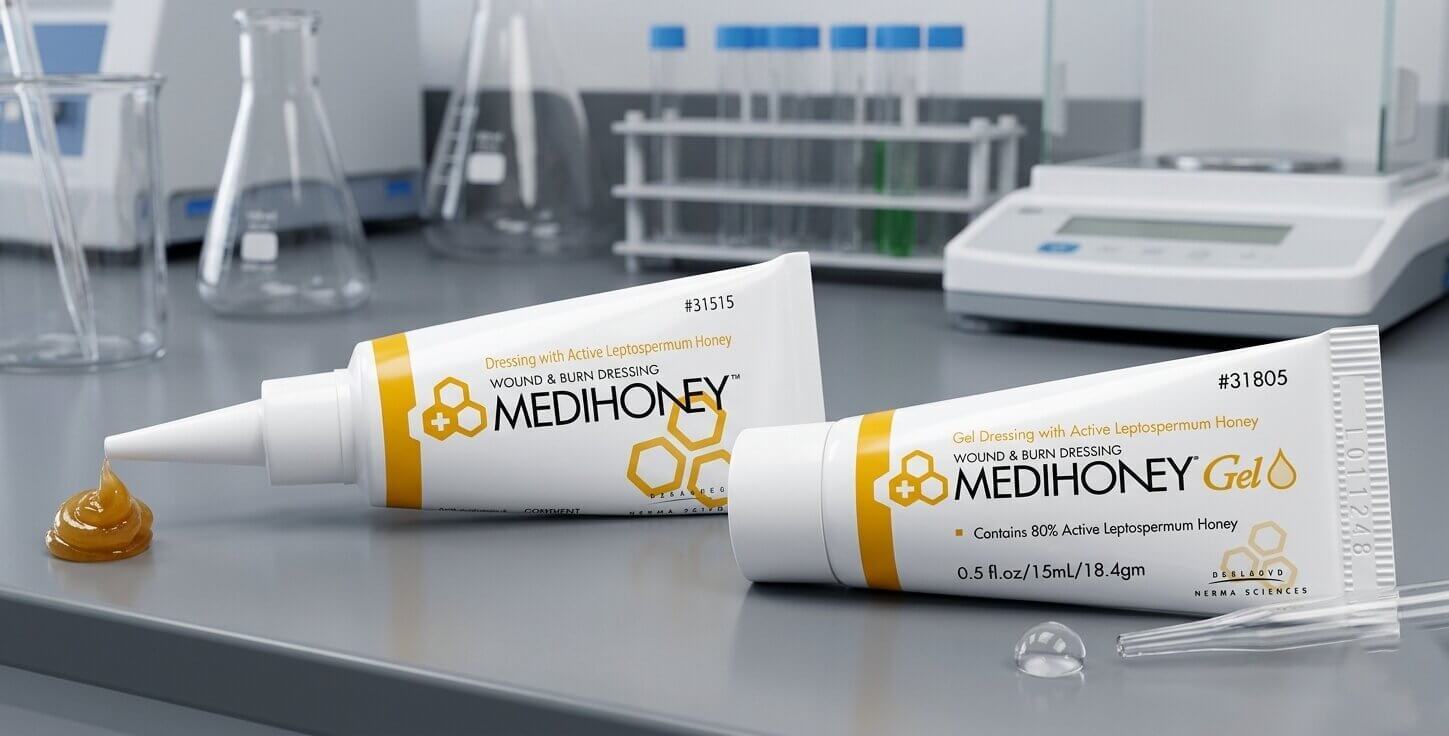
Why Wound Irrigation Is the First Step in Wound Care
Irrigation serves the purpose of cleansing wound areas by removing both debris and bacteria together with any dangerous substances that exist on the wound surfaces. This process reduces microbial load and lowers infection risk effectively. Clean wounds respond better to dressings and topical treatments.
Clinical studies confirm that proper cleaning lowers infection compared to untreated wounds. Emergency departments use the wound irrigation technique as a standard care step. Contaminated wounds often lead to complications and return hospital visits.
What Supplies You Need
Using correct supplies improves safety and cleaning effectiveness during wound care. Proper tools support controlled irrigation and better removal of contaminants. Demand for wound care products continues to rise across healthcare markets.
Good preparation ensures smooth wound care at home with step-by-step instructions. Using proper tools also reduces the risk of infection during the cleaning process. Always prepare supplies before starting any wound irrigation procedure.
Saline Solution vs Clean Water: What the Research Says
Normal saline remains the preferred solution for most clinical wound cleaning. It matches body fluids and does not damage healthy tissue layers. This makes saline wound wash safe and widely recommended.
Clean tap water is also safe for simple wounds when needed. Studies show no major difference in infection rates between the two options. However, saline provides better consistency and controlled sterility in practice.
Syringe and Catheter for Controlled Irrigation
Syringes function as tools that deliver consistent force to facilitate the safe and efficient process of wound cleaning. Catheter tips guide fluid directly into wound areas for better coverage. This process enhances the efficiency of debris removal while keeping all surrounding tissue sections intact.
The safe cleaning process requires pressure levels that guidelines recommend to stay between 4 and 15 psi. This range supports proper wound irrigation technique without tissue damage. The application of controlled pressure methods leads to better medical results while maintaining the structure of the healed tissue.
Step-by-Step Irrigation Process
The implementation of a systematic approach guarantees consistent results for both safe procedures and effective methods of cleaning wounds. The method of wound cleaning requires specific steps that help decrease infection rates while establishing optimal conditions for wound healing. The proper method supports effective wound care at home step by step.
People who need irrigation treatment should apply the same procedures for home and clinical treatment setups because this method creates better treatment results. The process of skipping required steps results in negative outcomes, which consist of increased contamination risk and extended time needed for healing. The patient experiences improved recovery outcomes with careful handling.
Step 1 – Wash Your Hands and Wear Gloves
The medical staff need clean hands for their work because they need to stop bacteria from entering through open wounds. The use of gloves creates a protective shield that decreases the risk of direct contact with harmful substances. The procedure establishes safety measures that protect both the patient and the healthcare worker who provides treatment.
The CDC states that hand hygiene constitutes an essential method to prevent infections. Following this step supports safe ways to irrigate a wound practice. Always use clean gloves before starting the wound cleaning process.
Step 2 – Position the Wound Below Heart Level if Possible
Positioning helps fluid drain away from the wound area properly. It prevents contaminated liquid from flowing back into the wound. This reduces the risk of infection during the irrigation process.
Proper positioning improves overall cleaning efficiency and fluid movement. It also supports better results during wound cleaning before dressing. Always adjust the position for safe and controlled drainage direction.
Step 3 – Apply Saline Under Gentle Pressure
Use steady pressure to flush out dirt and bacteria effectively. Medical professionals need to avoid using strong force since it causes tissue damage which delays patient recovery. The method of gentle flushing acts as an effective cleaning process that keeps the wound surface safe from harm.
Research demonstrates that using moderate pressure creates a notable improvement in bacterial removal. Using saline wound wash supports safe and effective cleaning outcomes. Maintain control while applying fluid across the entire wound area.
Step 4 – Remove Loose Debris Never Scrub
Use clean instruments or irrigation flow to carefully take away visible waste materials. The practice of scrubbing needs to be avoided because it results in tissue damage which prevents the body from healing properly. Scrubbing pushes bacteria into deeper layers of the wound.
Gentle removal protects tissue and supports faster recovery results. Proper wound irrigation technique avoids unnecessary damage during cleaning. Always choose careful handling instead of aggressive cleaning actions.
Step 5 – Pat Dry with Sterile Gauze
Use sterile gauze to dry the skin around the wound area. Do not rub the wound surface to avoid irritation or damage. Patting helps maintain a clean and stable wound condition.
Dry surroundings improve dressing adhesion and reduce moisture problems. This step supports better outcomes in wound cleaning before dressing. Clean drying prevents bacterial growth caused by excess moisture.
What NOT to Use for Wound Cleaning
Using the wrong substances can harm tissue and delay the healing process. Some common products damage healthy cells instead of helping with recovery. Always choose safe and recommended cleaning methods.
Avoid harsh chemicals when performing how to irrigate a wound. These products may increase irritation and slow healing significantly. Safe irrigation remains the best approach for open wound care.
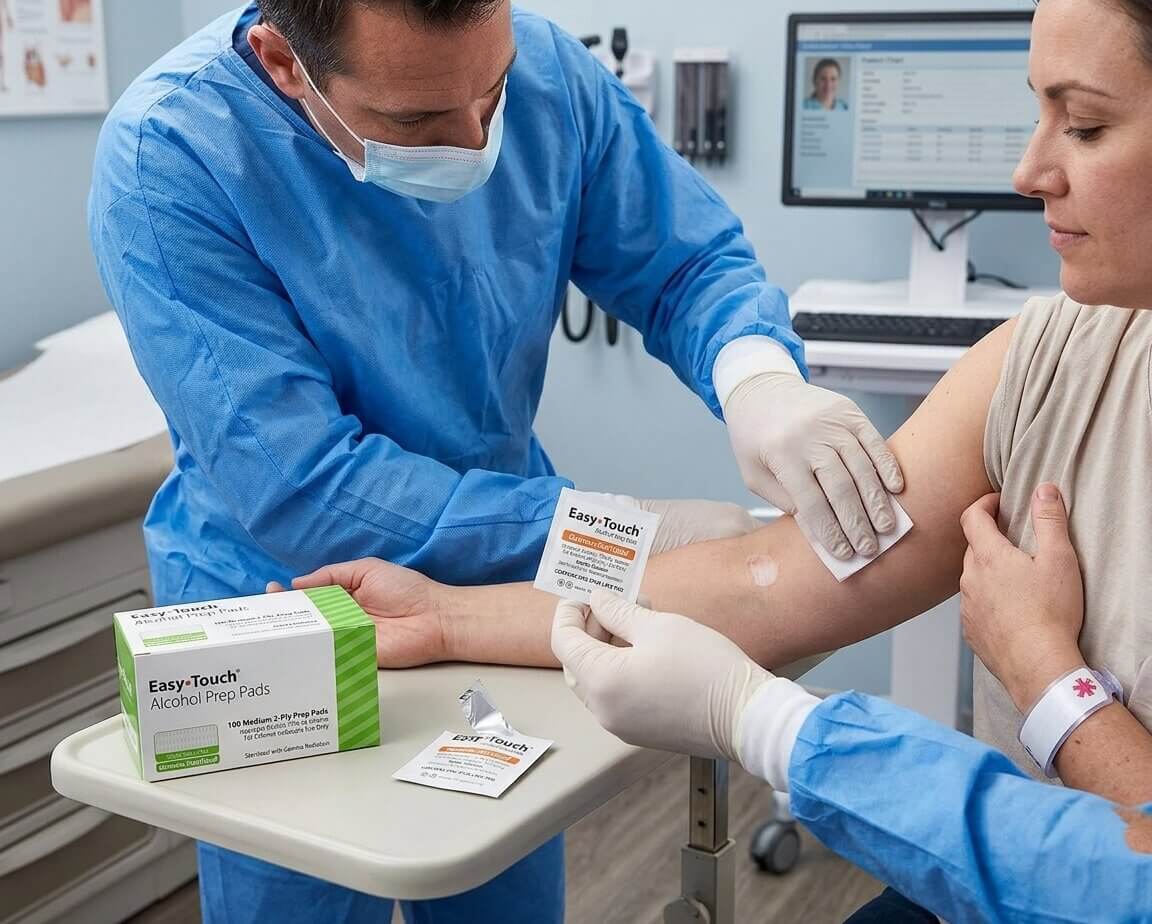
Hydrogen Peroxide, Betadine, Alcohol Prep Pads on Open Wounds
These substances can damage both bacteria and healthy tissue cells. They slow regeneration and delay proper healing of wound surfaces. Many studies confirm their harmful effects on open wounds.
Health authorities recommend avoiding these products for wound cleaning. Gentle saline wound wash remains the safer and more effective choice. Always follow clinical advice for safe wound care practices.
When to Seek Professional Help
Some wounds require medical attention instead of home treatment methods. Recognizing warning signs helps prevent serious complications early. Timely care improves recovery and reduces infection risks.
Seek help if you notice the following conditions:
- Deep wounds or punctures
- Continuous bleeding
- Redness, swelling, or pus
- Fever or infection signs
- Slow healing wounds
Professional care ensures proper treatment beyond basic wound care at home step by step. Early intervention prevents worsening conditions and supports faster healing outcomes.
The process of proper wound cleaning establishes essential requirements for safe and efficient wound treatment. The process of learning wound irrigation techniques leads to a significant decrease in infection probability. Improved healing results and patient safety depend on using appropriate medical equipment and correct application methods.
Following simple steps supports better recovery and prevents complications early. Safe wound irrigation technique ensures clean wounds before dressing application. Take control of care today and practice safe, effective wound cleaning methods.