
Do You Need a Prescription for Bacteriostatic Water?
Dec 15th 2025
Many people feel confused when they first hear about bacteriostatic (BAC) water. It sits between medical use and general healthcare supply access. This confusion has grown as injectable therapies become more common nationwide. Peptide research, wellness clinics, and home care now use injectable preparations frequently. Demand for injectable diluents continues to rise across the United States healthcare market. Recent supply data shows steady double-digit growth for injectable preparation products. This growth makes clarity around access rules more important than ever today. Many buyers now ask if you need a prescription for bacteriostatic water before purchasing. Understanding legality helps users stay compliant and avoid unnecessary purchasing risks. Clear information also protects users from unsafe sourcing or improper medical handling. This guide explains access rules using simple language and practical explanations.

Understanding the Legal Status of BAC Water
BAC water follows different rules compared to prescription-only medications. It is considered to be a sterile diluent and not an active pharmaceutical drug. Such classification has a direct impact on its regulation and sale. Because it contains no therapeutic drug, it functions only as a preparation solution. Healthcare providers use it to dilute or reconstitute injectable substances. The presence of benzyl alcohol prevents bacterial growth after vial opening. This preservative extends usability for multiple withdrawals under sterile conditions. Regulators, therefore, treat it differently from medications requiring strict prescriptions. The bacteriostatic water prescription rules depend on usage context rather than substance classification. Understanding this distinction helps buyers know their purchasing rights clearly.
Federal vs. State Regulations
At the federal level, BAC water is not a controlled substance. The FDA categorises it as a medical supply intended for professional environments. This classification allows broader distribution through approved medical suppliers. Federal law does not automatically require a prescription for standalone purchases. Nonetheless, state rules can impose some extra limitations depending on the purpose of use. Some states are stricter in terms of the injectable substances. Rules may differ when products support patient-specific treatment plans. Certain states require prescriptions when BAC water accompanies injectable drugs. Other states permit open sales if labeling and sterility standards are met. Buyers should understand both federal guidance and local enforcement rules.
Buying Bacteriostatic Water: OTC vs. Prescription
Whether a prescription is required depends on the purchase context and supplier policies. The product itself does not automatically require medical authorization. How and where it is sold usually determines access requirements. Many buyers wonder if you can buy bacteriostatic water over the counter legally. In many situations, the answer depends on distribution channels and intended use. Medical supply distributors often sell it without prescription requirements. Pharmacies may apply stricter rules depending on how orders are processed.
Where It's Sold as a Medical Supply
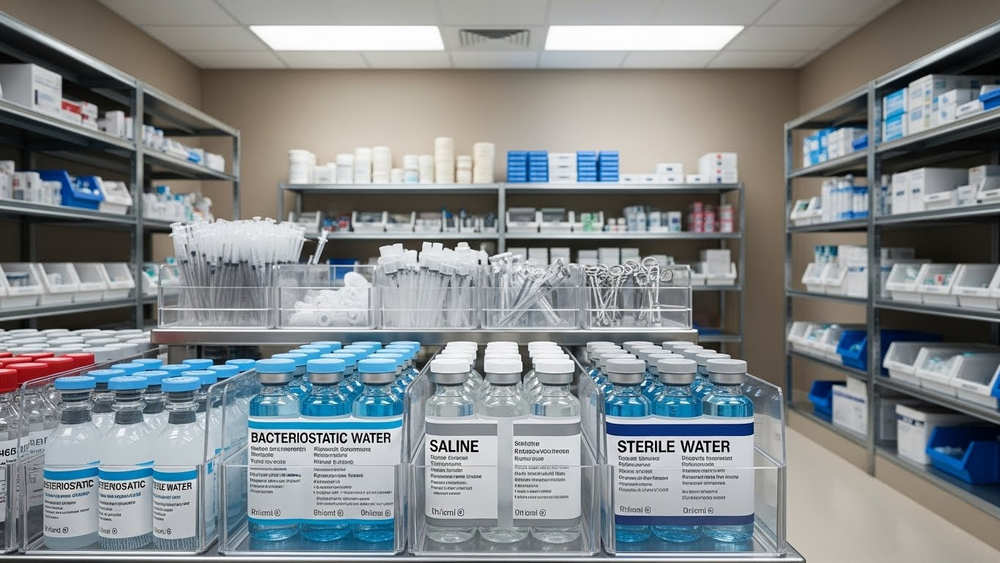
BAC water is commonly sold as a sterile medical preparation solution. Medical suppliers list it alongside saline and sterile water products. Clinics, laboratories, and healthcare facilities source it through approved distributors. These transactions usually do not require a prescription when sold independently. The product appears under general medical supply or sterile diluent listings. Suppliers focus on labeling accuracy and sterility compliance instead of prescriptions. This access model supports clinical efficiency and research workflows. Many buyers searching for where you can get bacteriostatic water choose medical distributors. These suppliers maintain proper storage, handling, and traceability systems. Standalone purchases usually remain prescription-free under these circumstances.
Situations Requiring a Doctor's Prescription
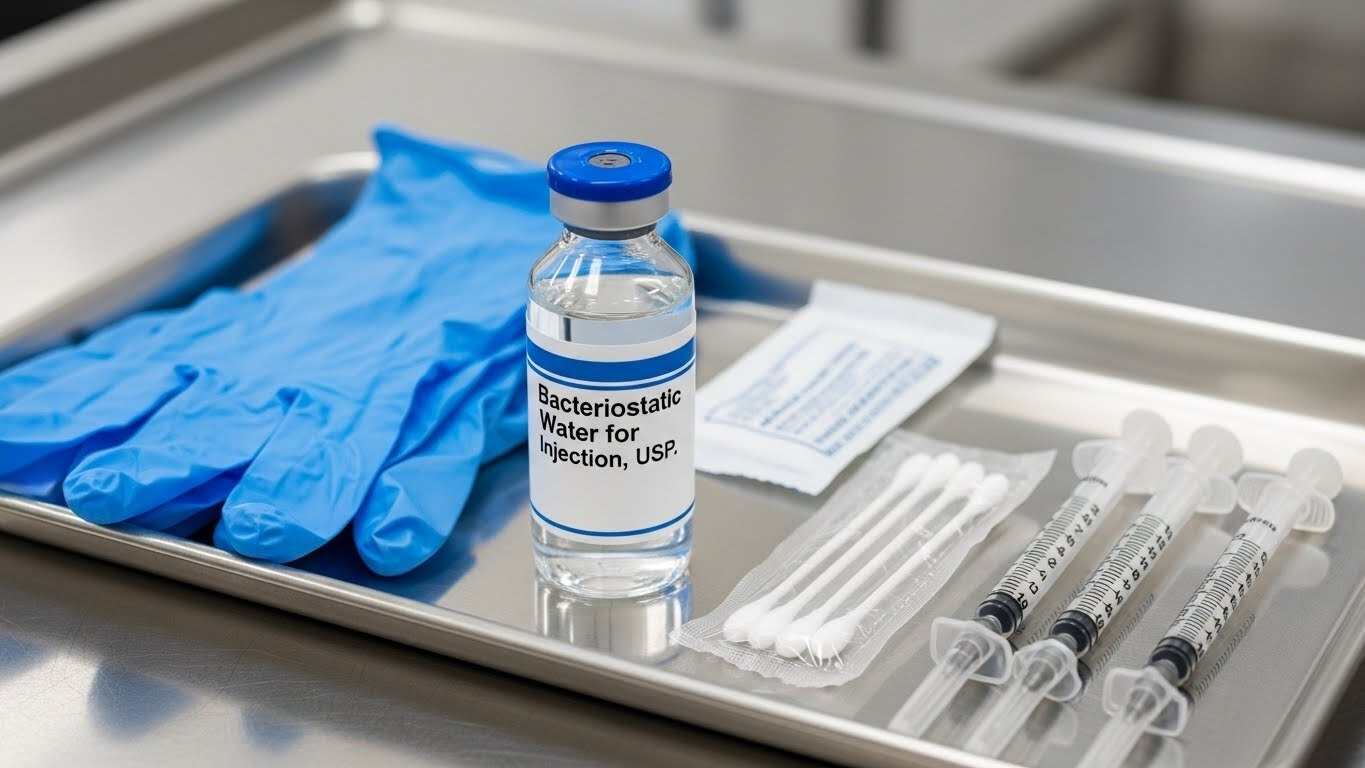
A prescription becomes necessary when BAC water accompanies regulated medication. Pharmacies often require prescriptions when dispensing patient-specific injectable treatments. This policy ensures medical oversight and appropriate clinical usage. Patient-focused dispensing triggers stricter documentation and professional review. Regulators monitor injectable product misuse more closely each year. Bundled medication purchases therefore face higher regulatory scrutiny. This practice guards against overdosing and the dangers of contamination in the patients. In these instances, the regulations of medicines are in line with the rules of bacteriostatic water prescription. The product itself remains unchanged, but context alters access requirements. Understanding this difference prevents confusion during pharmacy purchases.
The Difference Between Medical Grade and Research Grade
Medical-grade bacteriostatic water meets strict FDA sterility requirements. Manufacturers follow validated processes ensuring consistency and contamination control. Labeling includes lot numbers, expiration dates, and storage instructions. This grade is suitable for human administration under proper guidance. Research-grade bacteriostatic water serves laboratory and experimental purposes only. It is not approved for human injection under regulatory standards. Using incorrect grades increases safety risks in outpatient environments. Industry audits highlight improper grade selection as a common safety issue. Comparisons like BAC water versus sterile water clarify proper application choices. Guides comparing bacteriostatic water and reconstitution solutions support informed selection.
How to Safely Purchase BAC Water
Safe purchasing begins with selecting verified and compliant medical suppliers. Reputable suppliers follow strict storage and transportation protocols. Buyers should verify expiration dates before completing purchases. Tamper-evident packaging helps protect sterility and product integrity. Lot tracking allows recall management if quality concerns arise. Educational resources explain safe handling and storage after vial opening. Many buyers research where they can get bacteriostatic water safely online. Guides on buying bacteriostatic water online help reduce purchasing risks. Some users compare bacteriostatic water with sterile water alternatives. Others consider saline options like sodium chloride for specific applications.
Conclusion
In the United States, BAC water usually does not require a prescription. Standalone medical supply purchases typically remain prescription-free under federal rules. Prescriptions may apply when bundled with regulated injectable medications. State-level policies can influence how suppliers enforce access requirements. Understanding product classification helps buyers remain compliant and informed. Knowing grade differences also reduces safety and handling risks. With clear knowledge answers do you need a prescription for bacteriostatic water confidently? Informed decisions support safer purchasing and responsible medical usage practices.
Navigating injectable preparation supplies requires accurate regulatory understanding. Reviewing classification standards helps buyers avoid compliance concerns. Sourcing from documented medical suppliers ensures safety and reliability. Well-informed purchasing decisions protect users across clinical and non-clinical environments.