
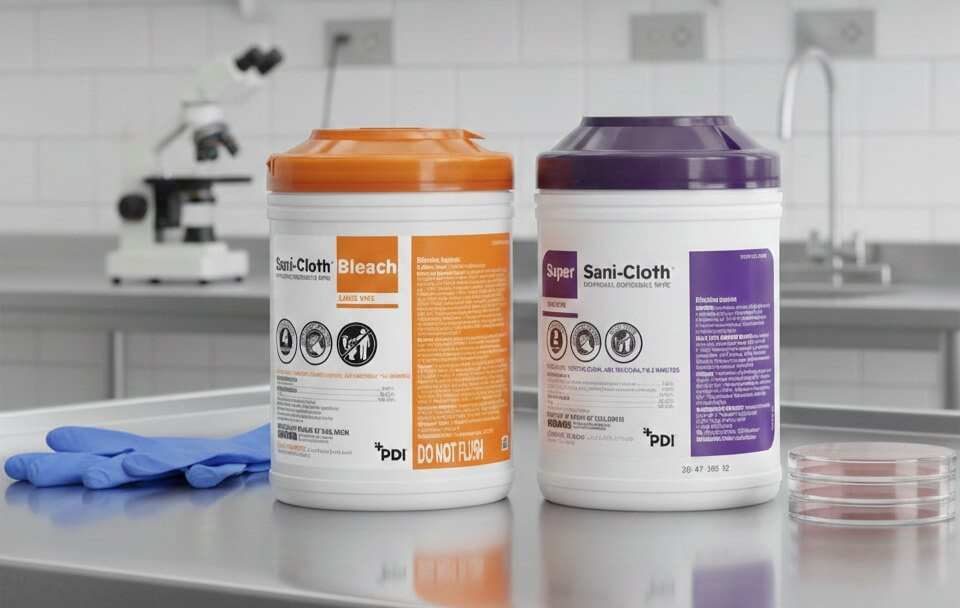
Comparing Alcohol and Antiseptic Wipes
Feb 9th 2026
Clean hands and surfaces protect people during daily healthcare routines. Germs spread quickly across busy hospitals, clinics, and home care spaces. Many workers touch shared tools throughout demanding healthcare workdays. Poor surface hygiene increases risks for patients and healthcare professionals. US infection-control reports show surface contamination drives many preventable healthcare infections. These infections affect over one point seven million patients annually. Choosing proper wipes supports safer care during routine cleaning practices.
Some workers prefer fast drying solutions for quick cleaning tasks. Other workers prefer gentler products for repeated skin contact. Different wipes support different needs during medical care routines. Alcohol wipes act quickly during urgent medical cleaning tasks. Antiseptic wipes offer gentler cleaning for repeated skin contact. Each wipe type supports safe disinfection across healthcare environments. Workers must understand differences before choosing suitable cleaning products. Correct selection improves safety for patients and healthcare staff.
Understanding wipe differences helps users apply them correctly everywhere. Clinics benefit from choosing wipes based on task needs. Homes benefit from careful wipe choices during personal medical care. Laboratories benefit from safe wipes during equipment preparation routines. Safe choices reduce risks across many healthcare environments. Knowledge helps teams protect patients during daily care activities.
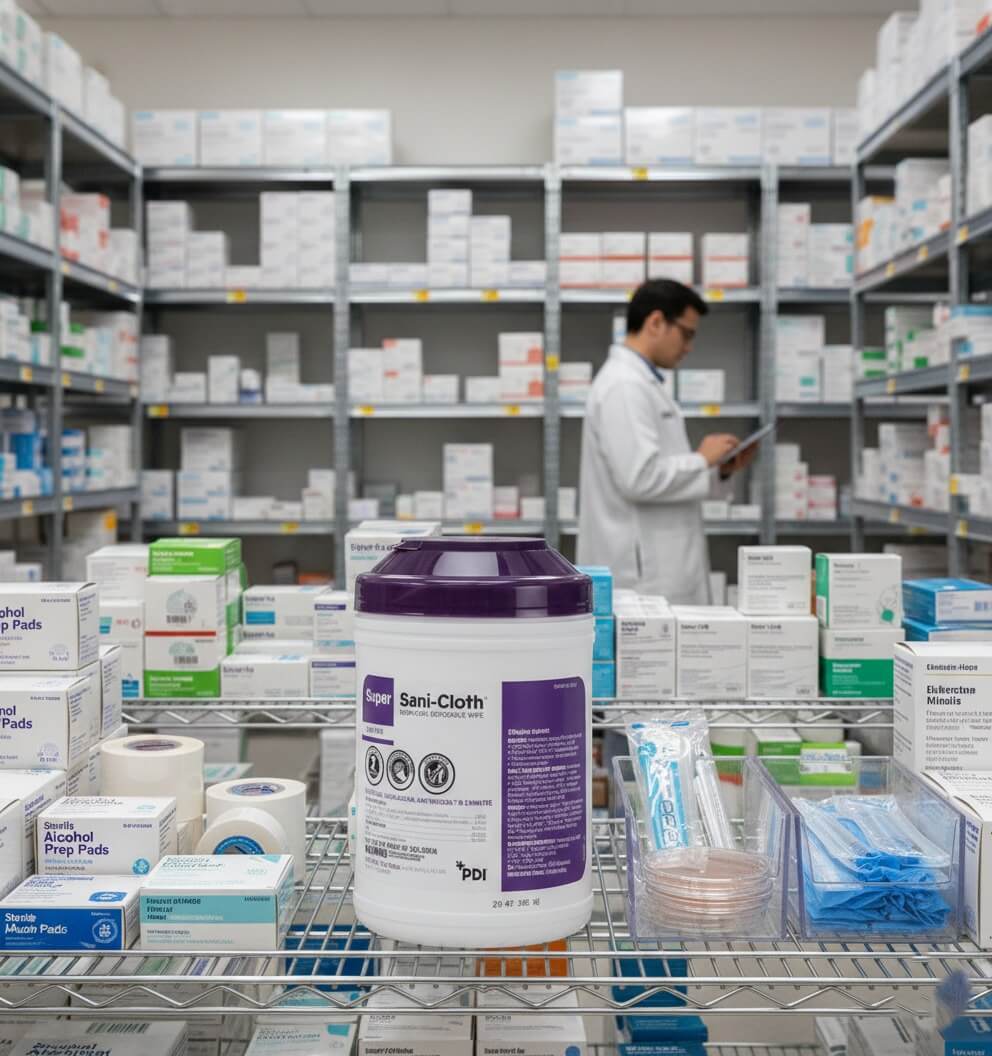
Active Ingredients and Effects
Alcohol based wipes use fast acting germ killing ingredients. These wipes support quick disinfection during urgent medical tasks. Users select wipes based on speed, safety, and skin comfort.
Isopropyl Alcohol and Ethanol in Wipes
Most alcohol wipes contain seventy percent isopropyl alcohol or ethanol. Health authorities recognize this level for strong microbial killing. These agents break proteins and damage germ cell membranes. The wipes dry quickly without leaving residue on surfaces. Fast drying helps protect sensitive tools from moisture damage.
Clinics use these wipes during fast paced care routines. Staff rely on speed when cleaning small medical tools. These wipes suit busy spaces requiring rapid cleaning. They support quick surface care during demanding clinical shifts. Workers value fast action during urgent patient procedures.
Benzalkonium Chloride and Other Antiseptics
Many antiseptic wipes contain benzalkonium chloride for gentle action. Some users call these products BZK wipes during daily care. These agents disrupt germ membranes using slower chemical actions. They leave a mild protective layer after surface application. The formula dries slowly and reduces skin dryness risks.
Skin remains comfortable during repeated daily wipe use. Clinics use antiseptic wipes for sensitive skin care needs. Home users prefer gentler options for repeated personal use. These wipes suit areas requiring mild continued protection. People with sensitive skin prefer these gentler cleaning solutions.
How Each Ingredient Works Against Pathogens
Alcohol kills many bacteria, fungi, and common viruses quickly. However alcohol lacks lasting protection after quick surface drying. Antiseptics offer longer action but reduced viral coverage sometimes. This difference guides wipe selection across medical environments. Protocols guide staff toward proper wipe selection.
When to Use Alcohol Wipes
Alcohol wipes support fast cleaning during urgent medical tasks. They suit environments requiring quick disinfection without residue. Workers select these wipes for speed and broad coverage.
Medical Equipment Disinfection
Staff clean glucose meters using fast drying alcohol wipes. They clean vial stoppers before drawing medication safely. They clean diagnostic devices needing moisture safe cleaning. Fast drying protects sensitive tools from water damage risks. Clinics use these wipes during routine equipment preparation. They help maintain safe tool hygiene during daily operations.
Staff trust alcohol wipes for small equipment surfaces. Quick evaporation supports frequent equipment cleaning schedules. Clean tools reduce infection risks for vulnerable patients.
Pre Injection Skin Preparation
Clinicians prepare skin using alcohol wipes before injections. This practice reduces surface bacteria before needle contact. Healthcare workers follow standard protocols during vaccination routines. Rapid action supports safe insulin delivery procedures. Patients benefit from reduced skin bacteria during injections.
Clinics follow guidelines supporting alcohol based skin preparation. This method supports safe needle entry practices. Fast drying prevents moisture around injection sites.
Quick Surface Sanitization
Workers clean shared surfaces using alcohol wipes quickly. They clean trays and tables between patient interactions. Fast cleaning supports busy clinical workflow routines. Quick drying prevents delays during busy care schedules. This practice supports cleaner shared touchpoints daily.
When to Use Antiseptic Wipes
Antiseptic wipes support gentle care during repeated cleaning routines. They suit users needing mild skin friendly cleaning options. Workers choose these wipes for sensitive daily skin contact.
Sensitive Skin Applications
Care teams recommend antiseptic wipes for fragile skin. They reduce irritation during repeated daily surface cleaning. These wipes suit long term care environments with frequent use. Patients with sensitive skin benefit from gentle formulas. Caregivers use these wipes for regular skin cleaning. The formula reduces dryness during repeated daily contact. Gentle care supports patient comfort during daily routines.
Prolonged Antimicrobial Protection
Some antiseptics continue working after surface application periods. This helps maintain cleaner skin between care intervals. Workers choose these wipes when longer protection matters. They support wound adjacent skin care routines. The mild residue supports extended microbial control periods. This effect benefits prolonged patient contact scenarios.
Areas Requiring Non Drying Solutions
Dry skin areas benefit from gentle antiseptic cleaning products. Alcohol may worsen cracks during frequent daily use. These wipes help protect the skin barrier function. Reduced dryness lowers infection risks over time. Gentle formulas support safer repeated cleaning practices.
Pros and Cons Comparison
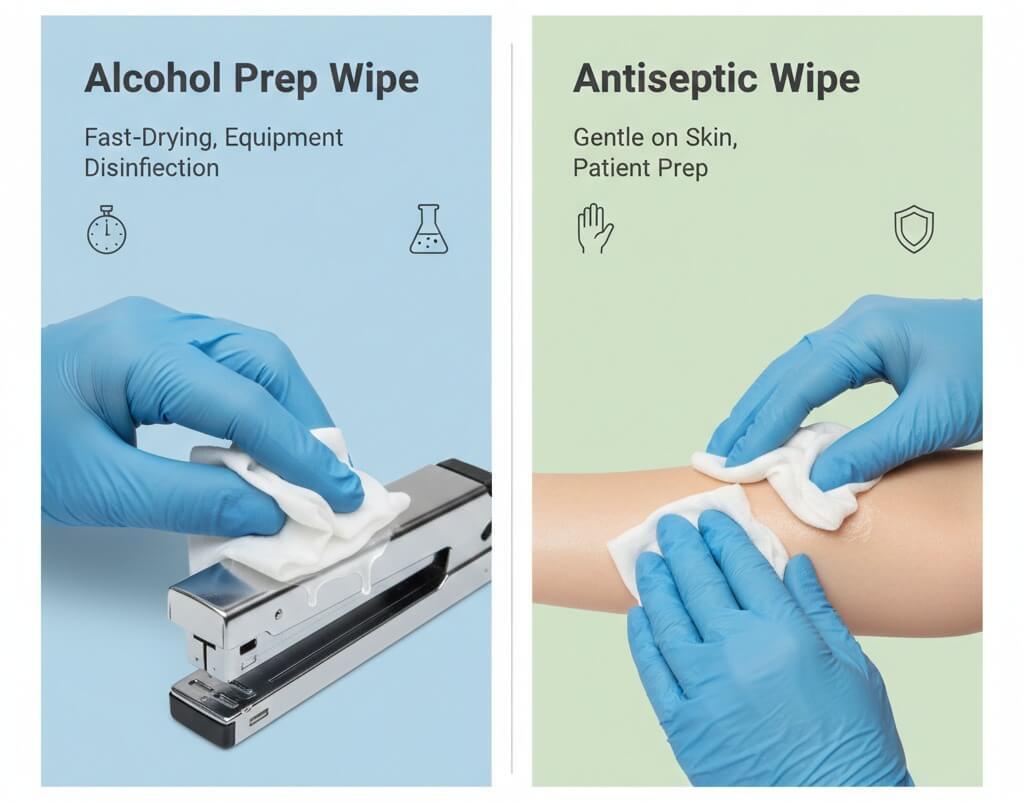
Alcohol wipes act fast against many common germs. They leave no residue after quick surface drying. However they may dry skin during repeated use. They lack lasting protection after quick evaporation.
Antiseptic wipes feel gentler on sensitive skin areas. They provide longer antimicrobial action after surface application. However they may work more slowly against certain pathogens. They may offer weaker viral coverage sometimes.
Staff choose wipes based on task requirements. Protocols recommend strategic use for both wipe types. Teams avoid using one wipe for all tasks. Correct selection improves patient safety during care routines. Understanding strengths supports safer daily hygiene practices.
Choosing the Right Wipe for Your Needs
Users select wipes based on task requirements and safety needs. Skin sensitivity influences daily wipe choice decisions. Contact time requirements guide proper wipe selection choices. Clinical guidance directs standardized wipe use protocols. Hospitals train staff to follow approved cleaning methods. Home users learn the differences between wipe ingredients. Understanding ingredients prevents improper product assumptions.
Education improves compliance with proper cleaning practices. The comparisons, including those examining alcohol versus chlorine-based or alcohol-free wipes, reinforce the importance of context-specific selection in improving overall hygiene results.
A clear understanding supports safer personal medical routines. Proper wipe choice protects patients and caregivers daily. Informed choices reduce unnecessary skin irritation risks. Correct wipes improve medical surface cleaning practices.
Conclusion
Both wipe types support infection prevention across healthcare environments. Alcohol wipes serve a rapid cleaning during urgent care routines. Antiseptic wipes support gentler repeated skin cleaning needs. Each wipe serves different safety and comfort requirements.
Understanding differences supports better daily hygiene decisions. Teams protect patients by selecting appropriate wipes. Homes benefit from informed wipe choices during care. Clinics benefit from proper disinfection practices. Laboratories benefit from safe surface hygiene practices.
Clear knowledge supports safer hygiene choices during daily medical routines. Understanding wipe ingredients improves cleaning safety for families everywhere. Informed users protect vulnerable people during regular care activities.
Many healthcare supplies, including surface disinfectants and wipes, fall under broader medical solution ecosystems commonly referenced within professional healthcare suppliers.