
Blood Sugar After Meals: What Levels Are Considered Normal?
Jul 10th 2026
You have a meal, and something big happens in your body. Your blood sugar levels increase, your pancreas reacts, and an entire process starts. Most people never monitor this, but people managing diabetes, prediabetes, or home monitoring consider it each day. One of the best health-related metrics is to know your blood sugar after meals and normal levels.
Why Postprandial Blood Sugar Matters
Postprandial blood glucose is your blood sugar level after eating a meal. This reading tells you how good your body is at digesting carbohydrates from the food. It is one of the direct ways of knowing your metabolism status.
The level of blood sugar increases drastically right after you eat a meal and this is linked to complications later in life like nerve damage and heart disease. However, even healthy people can experience dangerous surges that may not show up for many years. The most important thing is to recognize and harness these peaks at the initial phase, allowing you to avoid numerous health problems in the future.
By keeping a close watch on this number, you will be able to make better daily food and lifestyle choices. It provides actual information, rather than guesswork on how your body reacts to a particular diet. Such information can truly impact your health outcomes over time.
Normal Blood Sugar Levels: Before and After Meals
The normal blood sugar levels chart has distinct target ranges that indicate the ideal blood sugar levels for each time window around meals. These numbers may be different depending on if you have diabetes or not. Understanding where you're at will help you determine what action, if any, you need to take now.
When you eat, your blood sugar increases, and it decreases naturally later on. In a healthy body, this return to normal takes place gradually in a predictable range. If it doesn't, then that's the sign to pay attention consistently.
Fasting Blood Sugar (Under 100 mg/dL for Non-Diabetics)
A fasting blood sugar test is done prior to the first meal of the day. A normal glucose level is less than 100 mg/dL for non-diabetics at fasting. A blood sugar reading between 100 and 125 mg/dl indicates prediabetes, so it is important to get medical assistance as soon as possible.
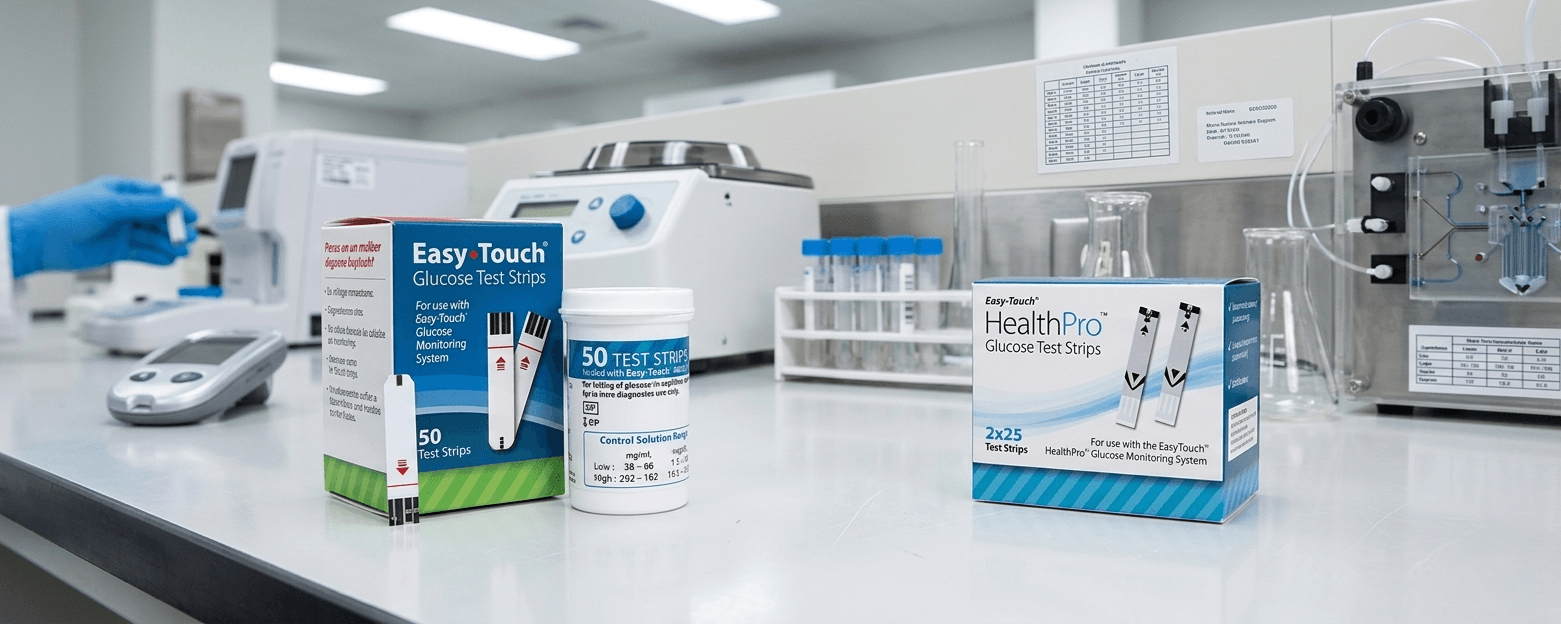
This baseline value indicates glucose usage overnight at rest during sleep. An increase in fasting levels generally reflects a decrease in insulin sensitivity. Reliable glucose meter test strips guarantee accurate readings every time.
1 Hour After Eating: Under 140 mg/dL
Blood sugar usually reaches its highest level 45 to 60 minutes following a meal. This post-meal level should not exceed 140 mg/dL for adults with no diabetes. Regularly exceeding this level indicates a problem with your body's capacity to process glucose.
For most people, the post-meal glucose curve peaks at the one hour mark. This number is useful for knowing which specific meals are the cause of major peaks for you. In case your 1-hour reading is more than 140 mg/dL each time, consult your physician soon.
2 Hours After Eating: Under 120 mg/dL
The blood sugar 2 hours after eating is most commonly used as a clinical reference. This reading should be below 120mg/dl at this stage for the healthy non-diabetic adult. This number is most frequently utilized for formal glucose tolerance testing all over the world.
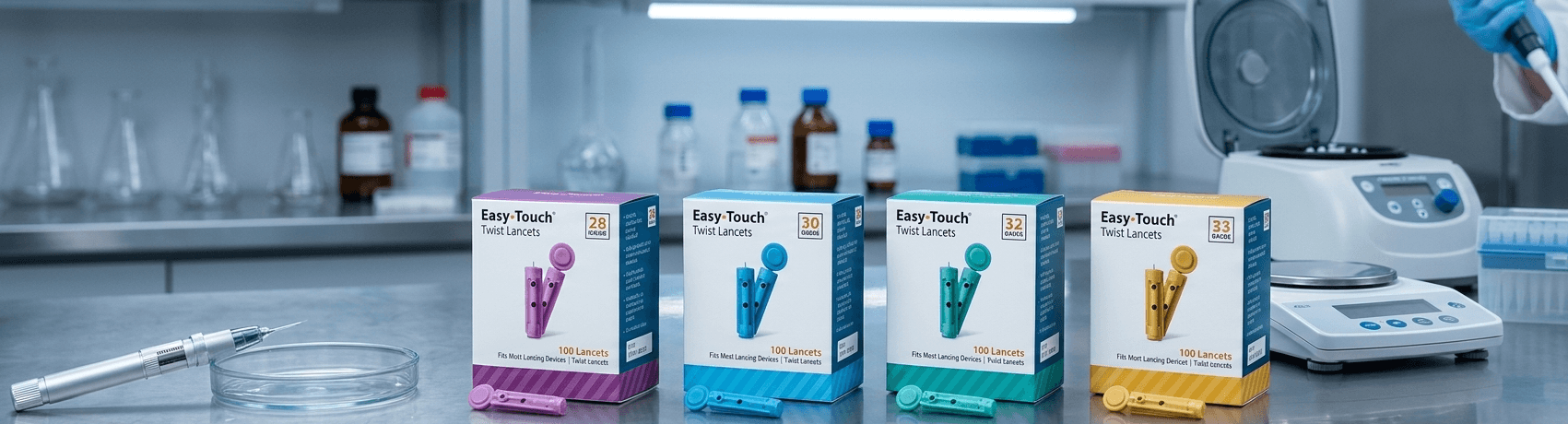
By the two-hour mark, your body should have cleared most of the glucose from your meal. Pair accurate testing with good lancets and lancing devices for comfortable and clean results. A good lancing device helps to make fingerstick testing quick, almost painless and easy to repeat.
Blood Sugar Targets for Diabetics vs Non-Diabetics
There are different target ranges for people with and without diabetes. These ranges may be a bit higher to allow for tight control without increasing the risk for hypoglycemia. Personal targets are set by your doctor; however, there is a general guideline that will provide a strong starting framework.
You need to note and record your readings over time, which plays an important role in your care plan. Using glucose meter controls regularly ensures your device is giving accurate and reliable results.
ADA Guidelines for Type 1 and Type 2
The American Diabetes Association has set simple post meal ranges for diabetics. These targets are intended to minimize the health problems that can happen later on, but keep the daily routine realistic and safe.
- Before meals: 80–130 mg/dL for most adults with Type 1 or Type 2 diabetes
- 1–2 hours after eating: Under 180 mg/dL for adults with diabetes per ADA standards
- A1C target: Under 7% for most non-pregnant adults managing diabetes actively
Most patients find these numbers to be safe and feasible in the real world, every day. Check with your healthcare provider before changing any treatment plans regarding your personal objectives.
What Causes Blood Sugar Spikes After Eating?
There are some factors that have direct impacts on your postprandial blood sugar levels. If you grasp these factors, you have true control of the readings after a meal, and no need for guessing. Most of them can be adjusted with diet, timing, and simple daily practices that can be implemented today.
Your body breaks down different foods at very different speeds throughout digestion. Foods that are rapidly digested raise blood glucose levels more quickly. The foods that are digested slowly will release glucose in a slow and consistent manner, generating a manageable curve.
Glycemic Index, Portion Size, Fiber Content
Three factors have the biggest direct impact on your post-meal glucose rise every time you eat.
- Glycemic Index: High-GI foods like white bread and sugary drinks cause fast, sharp glucose spikes
- Portion size: Larger portions mean more total carbohydrates and a higher, longer glucose peak overall
- Fiber content: High-fiber foods slow digestion and dramatically reduce the speed of glucose spikes
Making a diet change to low GI foods and high fibre foods is an instant change to your post-meal numbers. These are the top three things that you have to keep under control every day that can affect your post-meal blood sugar levels.
When Should You Test After a Meal?
When to check blood sugar after eating depends on what information you are trying to gather. Every test window provides information on a different aspect of food processing. Choosing the right timing consistently makes your data actionable and meaningful every day.
Any test conducted too early will not give you the complete glucose response curve. Late testing can miss the peak, which makes the test look good when it isn't. Learn about diabetes monitoring supplies, and get started creating a diabetes testing plan that works for you.
1-Hour vs 2-Hour Post-Meal Testing
Both testing windows have clear purposes, and choosing between them depends on your specific goals.
- 1-hour testing captures peak glucose and is best for identifying which foods cause your biggest spikes
- 2-hour testing measures return-to-baseline and is the standard used in most ADA clinical guidelines
- Both together give you the most complete picture of your full post-meal glucose response
At the two-hour post-test mark, there is no situation for which a better overall test time would come up. Discuss the best window with your doctor for personal monitoring.
Practical Tips to Manage Post-Meal Glucose
Taking care of glucose after meals doesn't mean being drastic in order to get results. These small changes can help you make a significant difference when applied over time in order to lower your post-meal spikes. The following guidelines are based on research principles and are followed worldwide by diabetes educators.
Your body responds to behavioral changes faster than most people expect when starting. Tracking with quality diagnostic instruments and supplies helps you see real progress in real numbers. Real data is motivating, and watching your numbers improve keeps you consistent long term.
Eating Order, Walking After Meals, Medication Timing
Three practical habits have strong evidence behind them for lowering post-meal blood sugar levels.
- Eating order: Eat vegetables and protein first, then carbohydrates; this can lower post-meal spikes by up to 30%
- Walking after meals: A 10-minute walk within 30 minutes of eating helps muscles absorb glucose effectively
- Medication timing: Taking diabetes medication at the right time before meals significantly improves post-meal control
These strategies work best when done together and consistently over multiple weeks. Talk to your care team before adjusting any medication timing as part of your routine.
Blood Sugar Chart: Reference Table by Category
Use this quick-reference chart to understand where your readings fall at each time point.
|
Timing |
Non-Diabetic (Normal) |
Prediabetes Range |
Diabetes Target (ADA) |
|
Fasting |
Under 100 mg/dL |
100–125 mg/dL |
80–130 mg/dL |
|
1 Hour After Eating |
Under 140 mg/dL |
140–199 mg/dL |
Under 180 mg/dL |
|
2 Hours After Eating |
Under 120 mg/dL |
140–199 mg/dL |
Under 180 mg/dL |
|
A1C (3-Month Average) |
Under 5.7% |
5.7–6.4% |
Under 7% |
This chart gives you an instant reference for all of your readings for the day. Use it throughout your testing session to look up results without searching each time. The one most critical habit you can have is to monitor your numbers regularly.
Start with the right tools, explore glucose meters built for accurate, everyday home monitoring.