
70% vs 91% Isopropyl Alcohol: Which Is More Effective?
Apr 24th 2026
Many people think stronger alcohol always kills more germs quickly. The truth behind 70% vs 91% isopropyl alcohol disinfection feels surprising. Higher strength seems powerful, yet real results often show something different. Effectiveness depends on how alcohol interacts with germs and surfaces.
In the United States, people use isopropyl alcohol in many daily settings. Healthcare teams, labs, and homes rely on it for cleaning tasks. The Centers for Disease Control recommend seventy percent alcohol for disinfection. Growing awareness has increased demand for antiseptic products in recent years.
Understanding which isopropyl alcohol is best for disinfection helps ensure safe use. The right choice depends on purpose, not just the highest percentage strength.
The Paradox: Why a Higher Percentage Isn't Always Better
Higher alcohol concentration evaporates faster from surfaces and skin areas. Quick evaporation reduces the time alcohol stays in contact with microbes. Lower concentrations remain longer and continue working during that time.
This creates a paradox in 70 percent isopropyl alcohol vs 91 percent comparisons. Stronger alcohol acts fast but may not kill germs completely. Key reasons behind this difference include the following important factors:
- Faster evaporation reduces the contact time needed for killing microbes effectively
- Lower concentration stays longer and keeps acting on germs continuously
- Contact time matters more than strength in most disinfection situations
This explains why seventy percent often works better than stronger alcohol. Contact time plays a major role in rubbing alcohol percentage disinfection results.
How Isopropyl Alcohol Kills Pathogens
Isopropyl alcohol destroys germs by damaging their internal structures completely. It breaks essential components needed for survival inside bacteria and viruses. This process leads to cell death and stops the spread effectively.
Understanding this action explains the results in 70% vs 91% isopropyl alcohol disinfection. Different concentrations change how well alcohol performs this function.
Protein Denaturation Mechanism
Alcohol breaks down proteins inside bacteria and virus cells quickly. This damage destroys the structure and stops normal cell function immediately. Key effects of protein damage include the following biological changes:
- Loss of structural integrity within microbial cell walls
- Disruption of essential enzymes needed for survival processes
- Permanent damage leading to complete cell death
This mechanism supports why alcohol kills many harmful pathogens effectively. It explains the results seen in 70 vs 99 isopropyl alcohol comparisons.
Why Water Is Necessary for Effective Cell Penetration
Water plays an important role in improving the effectiveness of disinfection. It slows evaporation and allows deeper penetration into microbial cells. This improves protein breakdown and ensures better germ removal. Key benefits of water in alcohol mixtures include the following points:
- Slows evaporation to increase surface contact time significantly
- Helps alcohol pass through cell walls more effectively
- Supports complete protein denaturation inside microbial structures
This explains why seventy percent solutions outperform stronger concentrations often. Water improves performance in 70 percent isopropyl alcohol vs 91 cases.
70% IPA: The Medical Gold Standard
Seventy percent isopropyl alcohol remains the preferred choice in medical settings. Healthcare facilities rely on it for daily cleaning and skin preparation tasks. It balances strength, safety, and effectiveness better than higher concentrations.
This concentration performs well across many disinfection applications consistently. It answers clearly which isopropyl alcohol is best for disinfection in healthcare.
Slower Evaporation Allows Longer Pathogen Contact Time
Seventy percent alcohol evaporates more slowly than stronger solutions on surfaces. This allows longer exposure time for germs during the cleaning process. Key advantages of longer contact time include the following benefits:
- Improves the killing of bacteria and viruses on surfaces
- Ensures deeper penetration into microbial structures
- Provides consistent disinfection results in daily use
Longer exposure improves results in rubbing alcohol percentage disinfection situations. This makes it seventy percent more reliable for regular cleaning tasks.
Standard for Skin Prep, Prep Pads, and Surface Disinfection
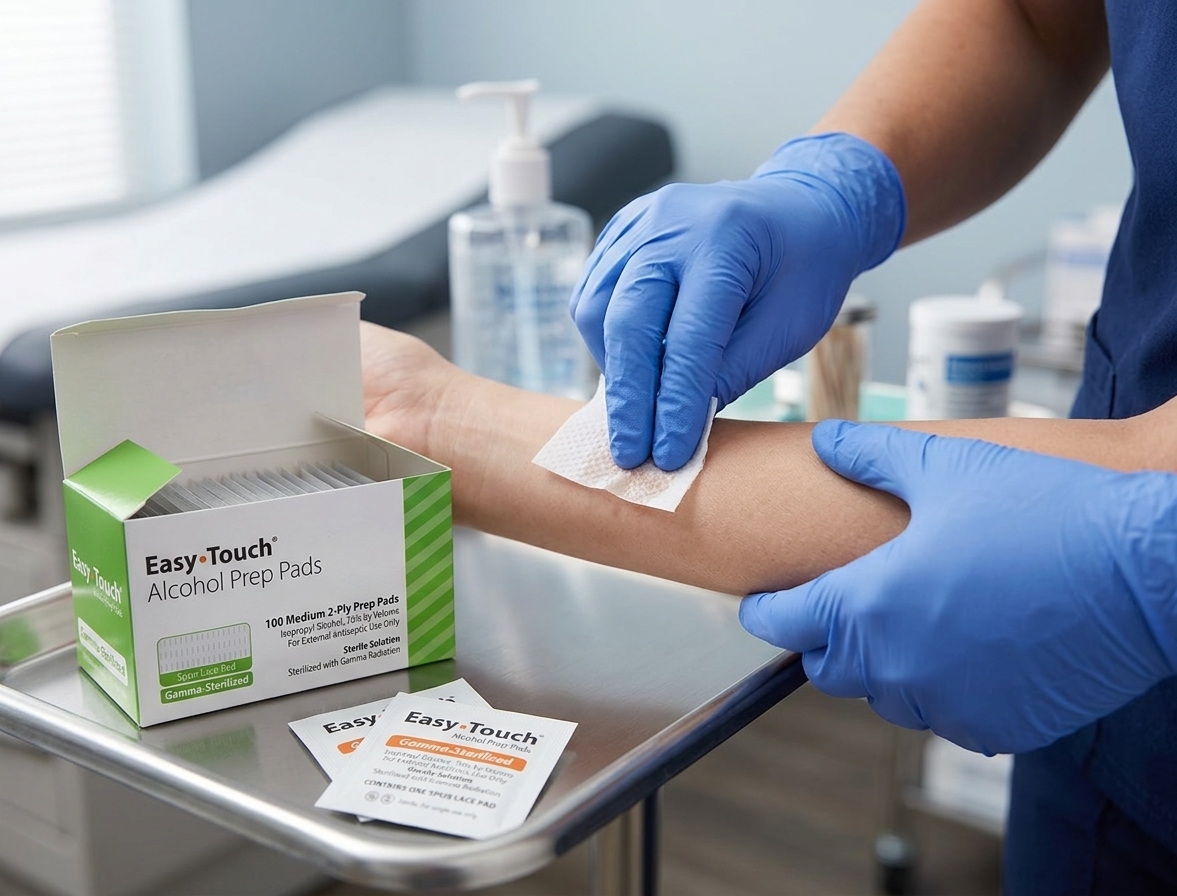
Healthcare workers use seventy percent alcohol before injections and procedures. It appears in prep pads, wipes, and surface cleaning solutions. Common uses include the following medical applications:
- Cleaning skin before injections or minor medical procedures
- Disinfecting non-critical medical equipment and surfaces
- Preparing areas for safe and hygienic treatment processes
Regulators recognize it as a safe antiseptic for skin preparation. It remains standard in 70% vs 91% isopropyl alcohol disinfection discussions.
91-99% IPA: When Is High Concentration Appropriate?
Higher concentration alcohol still serves useful purposes in specific situations. It works best when moisture is minimal during cleaning processes. These cases often involve equipment or surfaces sensitive to water exposure.
People often compare 70% vs. 99% isopropyl alcohol for different tasks. Each concentration fits different needs based on environment and purpose.
Cleaning Electronics, Tools, and Non-Porous Surfaces
High-strength alcohol works well for electronics and delicate equipment cleaning. It evaporates quickly and leaves little to no residue behind. Common uses include the following cleaning tasks:
- Cleaning electronic components without causing moisture damage
- Removing grease or residue from tools and metal surfaces
- Disinfecting non-porous surfaces needing fast drying action
These uses highlight specific roles in 70 vs 99 isopropyl alcohol comparisons. High concentration suits situations where the presence must remain low.
Rapid Evaporation: Less Contact Time for Microbes
Stronger alcohol evaporates quickly and reduces surface contact time significantly. Shorter contact limits how effectively germs get destroyed during cleaning. This reduces performance when used for medical disinfection tasks.
Because of this, higher concentrations work less effectively for germ killing. This explains the results in which isopropyl alcohol is best for disinfection debates.
Which One Is in Most Medical Alcohol Prep Pads?
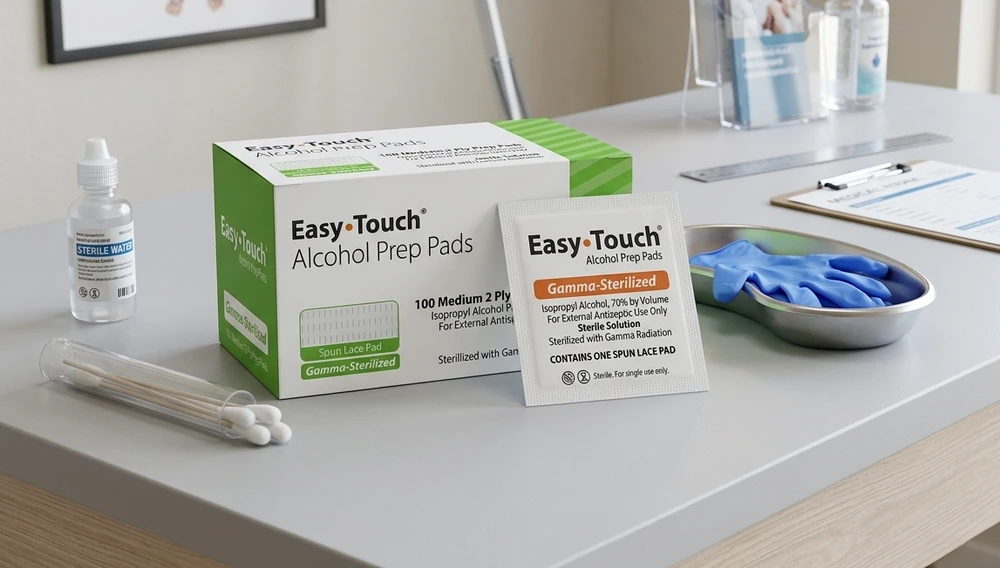
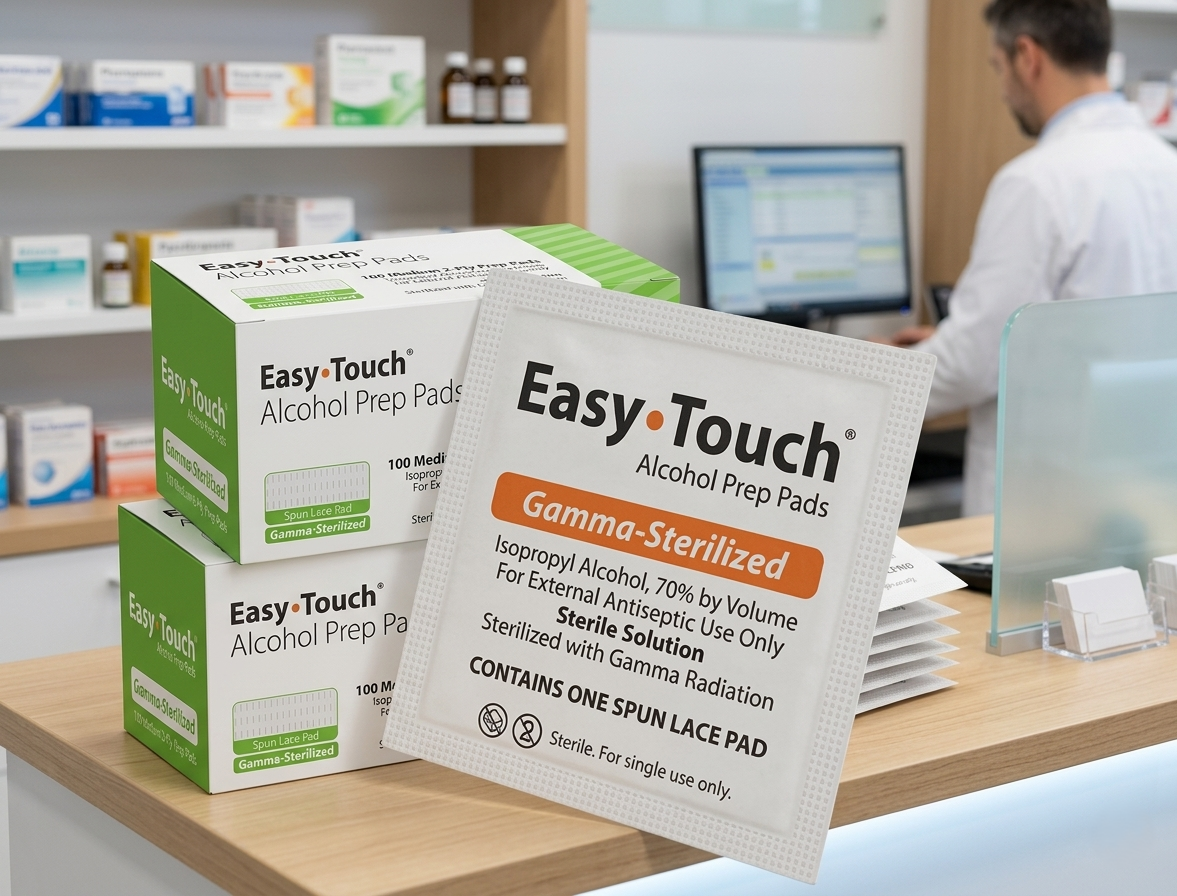
Most medical alcohol prep pads contain a seventy percent isopropyl alcohol solution. Healthcare providers trust this concentration for safe and effective skin cleaning. It provides reliable germ control without harming skin during repeated use.
This standard reflects best practices in infection prevention protocols worldwide. It aligns with findings from 70% vs 91% isopropyl alcohol disinfection research.
70% Specifically Chosen for Skin Antisepsis
Seventy percent alcohol delivers strong antimicrobial action while remaining skin-friendly. It offers a balance between effectiveness and evaporation speed during use. Key reasons for choosing this concentration include the following benefits:
- Provides a consistent microbial kill rate across different conditions
- Safe for repeated use on human skin without irritation
- Maintains proper balance between strength and contact time
Clinical standards support its use in routine healthcare settings globally. It remains preferred in 70 percent isopropyl alcohol vs 91 comparisons.
Practical Takeaways for Purchasing and Use
Choosing the right alcohol depends on the purpose and surface type clearly. Different concentrations serve different roles in daily cleaning situations. Understanding usage helps improve safety and effectiveness consistently.
Consumers often compare which isopropyl alcohol is best for disinfection. The answer depends on how and where the product will be used. Key recommendations include the following practical points:
- Use seventy percent alcohol for skin cleaning and general disinfection
- Use ninety-one percent or higher for electronics and specialized cleaning
- Focus on contact time rather than just strength when cleaning surfaces
Demand for disinfectants increased with growing awareness of infection prevention. This trend supports interest in rubbing alcohol percentage disinfection choices.
Does Diluting 91% to 70% Work? Yes Here's How
You can dilute a higher concentration of alcohol using clean or distilled water. Proper mixing creates a solution with a concentration close to seventy percent. This method helps convert strong alcohol into an effective disinfectant form.
Careful measurement ensures the final solution remains effective and safe. This approach supports better results in 70% vs 91% isopropyl alcohol disinfection. A common dilution method includes the following simple ratio:
- Mix about seven parts of ninety-one percent alcohol
- Add three parts of clean or distilled water carefully
This mixture is solved with a close to seventy percent alcohol concentration. It works well for general cleaning and skin preparation tasks.
Both concentrations serve different purposes depending on cleaning needs. Seventy percent works better for disinfection due to longer contact time. Higher concentrations suit fast drying and moisture-sensitive cleaning situations.
Understanding 70 vs 99 isopropyl alcohol helps choose correctly every time. Pick the right option based on use, not just higher strength.
Choose smart disinfection today and improve safety in every routine.