
What is a Retractable Safety Needle?
Jan 23rd 2026
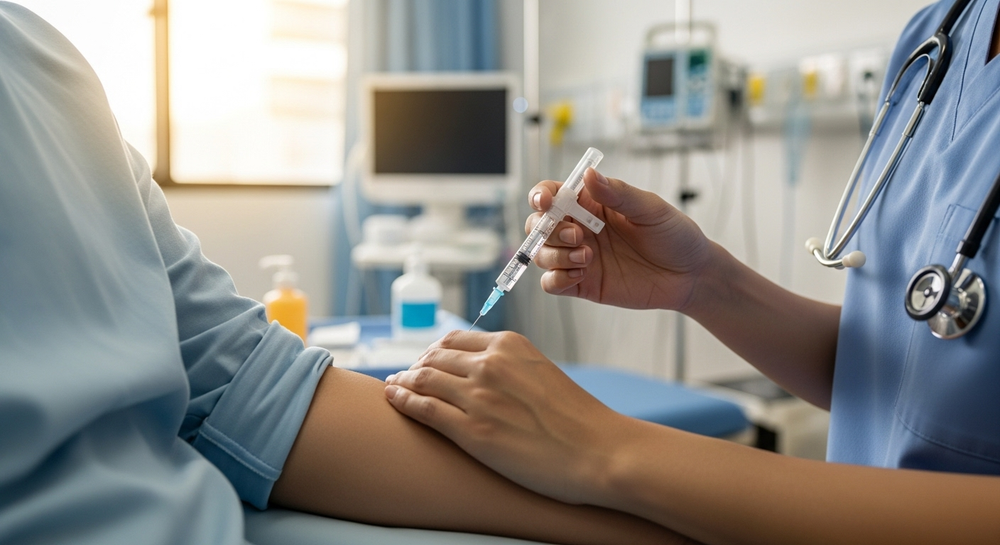
Sharp injuries are still being experienced among healthcare workers in hospitals, clinics, laboratories and in home care setups. Several practitioners encounter unintended needle contact during the injection procedure, disposal or unexpected patient movement events. Such occurrences tend to pose considerable risks of infections, emotional burnout or stress, and workflow disruption among the health professionals. A Retractable safety needle was developed to reduce these dangers using built-in protective engineering. This device hides the needle inside the barrel immediately after injection completion. By doing so, it removes the sharp point from exposure instantly.
Healthcare environments demand reliable tools that protect both staff and patients daily. Retractable needles support this need through simple, effective safety mechanisms. They are now widely considered essential safety PPE equipment in modern care settings. High-volume clinical environments benefit most from consistent sharps injury reduction tools. These devices help maintain safety standards without slowing injection procedures. Healthcare workers trust retractable systems for safer insulin delivery and medication administration. Their growing adoption reflects a strong focus on protecting frontline professionals. Safer injection tools also reduce reporting, follow-ups, and treatment costs. This makes retractable needles valuable for both safety and operational efficiency.
How Retractable Technology Works to Prevent Needlesticks
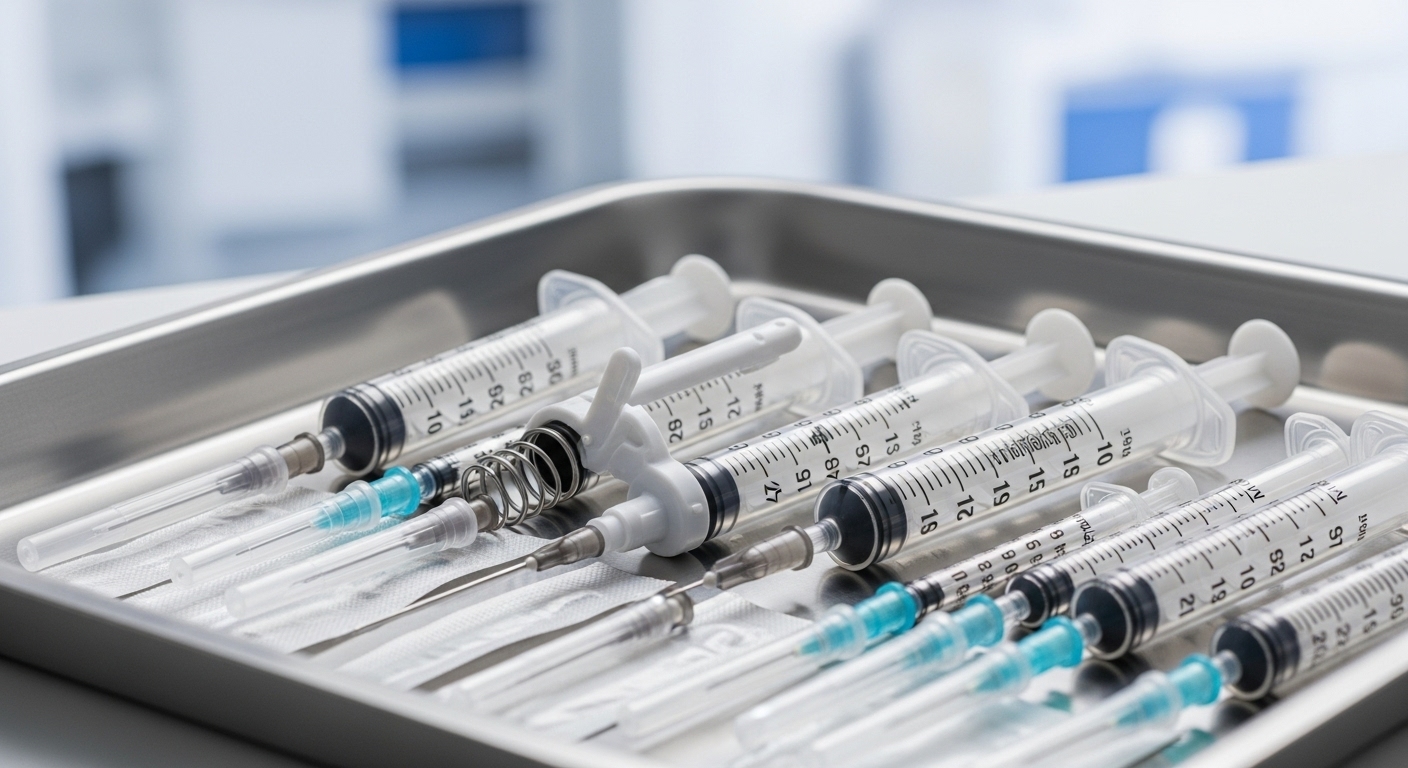
Retractable needles use internal mechanisms that activate after medication delivery completes. Once the injection ends, the needle automatically withdraws into the syringe body. This design immediately removes the sharp surface from open contact. Traditional needles remain exposed until manually capped or disposed of safely. Manual handling increases the risk of accidental punctures significantly. Retractable systems eliminate this vulnerable handling stage. The process occurs smoothly without adding complexity to injections. Healthcare workers perform injections using familiar techniques. The safety action happens instantly after use without additional steps. This automation supports safer outcomes during busy clinical routines. Retractable designs protect nurses, phlebotomists, and caregivers consistently. Home caregivers also benefit from reduced sharps exposure risks. These devices belong to modern needles and syringes safety solutions. Their purpose focuses on preventing needlestick injuries through reliable engineering. Consistent protection improves confidence and reduces anxiety during care delivery. This technology plays a critical role in modern injection safety practices.
Passive vs. Active Retraction Mechanisms
Retractable needles typically operate through passive or active safety designs. Passive retraction engages automatically during normal injection completion. The needle retracts without requiring any additional user movement. This approach reduces reliance on technique or memory during procedures. Automatic activation supports consistent safety across skill levels. Active retraction systems require manual triggering after injection delivery. The user activates a button, plunger, or pressure mechanism. While effective, this method depends on proper user action. Both systems aim to remove exposure to the sharp needle. Each design addresses a common injury point during disposal moments. Passive designs often suit fast-paced clinical environments. Active designs may fit controlled settings with focused training. Both options support injury reduction and improved workflow safety. Facilities choose mechanisms based on staff needs and usage volume. Each type contributes to safer injection practices across care environments. These designs reflect ongoing innovation in safety-focused medical devices.
Leading Brands in Retractable Technology
Several manufacturers offer reliable retractable needle solutions across the United States. These products support hospitals, clinics, pharmacies, and home care providers.
EasyTouch (MHC Medical)
One recognized option comes from MHC Medical under the EasyTouch branding. The MHC medical safety insulin syringe with needle EasyTouch® fluringe® supports insulin delivery safety. This system balances comfort, accuracy, and automatic needle retraction features. Healthcare workers appreciate its familiar handling and reliable activation.
Sol-Millennium
Another trusted supplier is Sol-Millennium medical Inc. serving global healthcare markets. Their retractable hypodermic designs support routine injections and specialized procedures. These products focus on simple operation and safety compliance standards.
Both brands prioritize protecting users without complicating care routines. Facilities integrate these solutions into broader safety-focused inventories. Their designs help reduce sharp injuries across departments consistently. Brand reliability plays a key role in long-term safety adoption. Trusted manufacturers support training, consistency, and staff confidence. These solutions demonstrate effective integration of safety into daily clinical practice. Reliable retractable technology continues expanding across diverse care environments.
The Importance of Safety Devices in Healthcare
Healthcare safety increasingly relies on engineered protective solutions. Retractable needles represent a major advancement in injury prevention strategies. Safety devices support regulatory compliance and workforce protection initiatives. Many regulations encourage the use of safety-engineered sharps equipment. Facilities adopting safer devices report significant injury reductions. Studies show engineered solutions reduce incidents by over eighty percent. This improvement supports worker health and infection prevention efforts. Reduced injuries lower the medical costs and staff downtime. Safety tools also improve morale and confidence among healthcare teams. Standardized equipment reduces variation in procedure execution. Training becomes easier with consistent safety-focused designs. These tools support infection control across multiple care settings. Retractable needles help facilities meet safety obligations efficiently. They strengthen organizational commitment to occupational health protection. Reliable safety devices enhance trust between staff and employers. Healthcare environments benefit from safer tools without workflow disruption.
Conclusion
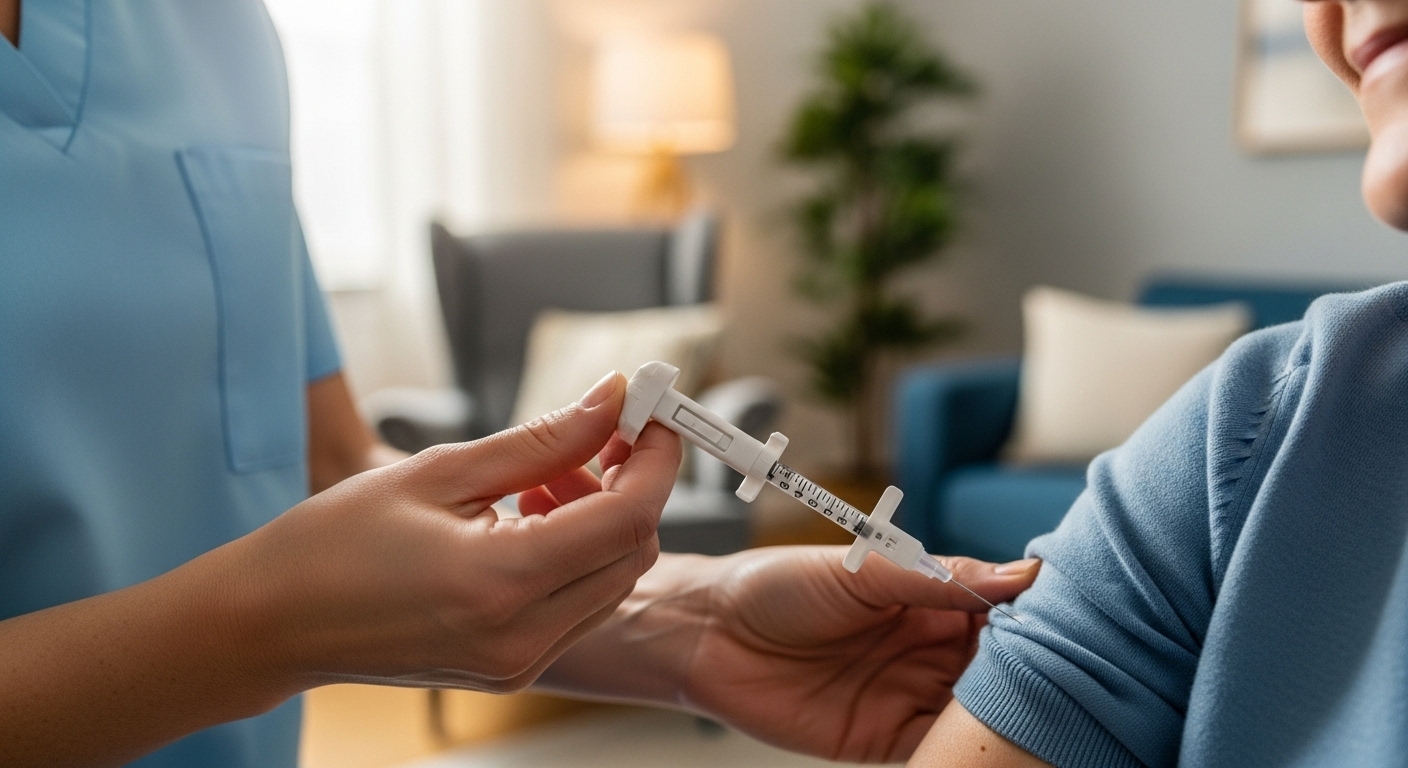
Retractable needles represent an important step forward in injection safety technology. They protect healthcare workers by removing exposed sharps immediately after use. This design reduces injury risk during disposal and handling moments. Safer injection tools support better occupational health outcomes. Retractable solutions fit easily into existing care routines. Their continued adoption reflects growing safety awareness across healthcare settings. These devices support compliance, confidence, and infection control goals. Modern healthcare increasingly depends on engineered safety solutions. Retractable needles demonstrate effective design meeting real-world clinical needs. Their role continues to expand as safety standards evolve.
Understanding retractable needle technology supports safer care practices across healthcare environments. Informed choices help protect professionals while supporting effective daily injection routines.