

What Are Diagnostic Instruments in Medicine?
Dec 3rd 2025
Most individuals go to the clinics daily for simple and quick health check ups. Nurses and doctors rely on the tools that help them to know what is happening within the body. The tools make tests quicker, clearer, and easier for patients and providers. Many US clinics continue to see more walk-in visits because people want simple and fast care. Growth in preventive care also increases the use of accurate tools in everyday practice. Modern healthcare depends strongly on diagnostic instruments because they help providers work with confidence and speed. These tools support small clinics and large hospitals in making reliable decisions. They improve daily workflow and help teams find health problems early.
Many businesses in the US now equip their outpatient centers with upgraded tools. Providers want simple ways to check vital signs, review internal sounds, and examine external areas quickly. Preventive care rises each year, so easy-to-use tools become very important. A strong set of diagnostic medical instruments helps every medical team work better. These tools help reduce waiting time and allow faster treatment. The demand keeps growing because people expect quick and clear results from their visits.
The Purpose of a Diagnostic Instrument
A diagnostic instrument helps providers collect information without using invasive methods. This means the clinician can understand what is happening inside the body without surgery. These tools help check vital signs, measure basic functions, and listen to internal activity. Providers use them to check symptoms, track conditions, and monitor recovery. Outpatient visits increase across the US every year because people want rapid care. This trend makes simple and reliable tools even more valuable.
Clinicians trust these instruments because they provide quick answers during routine checks. Many conditions need early testing, and these tools support that need. When a patient arrives with a concern, the provider uses tools immediately. These instruments help them understand serious or minor problems in only a few steps. Many clinics learn that consistent use of diagnostic instruments and supplies improves patient satisfaction. Patients also feel safer when tools give clear information about their health.
Many tools help monitor long-term issues like hypertension or diabetes. Providers can catch warning signs early when they rely on these devices. These tools are important because they avoid delays and improve care quality. Clinics today want methods that support quick checks with strong accuracy. Every medical team understands the importance of choosing proper diagnostic medical instruments. These instruments allow them to guide patients carefully and confidently.
Common Categories of Instruments
Different tools serve different purposes in daily medical care. Providers choose instruments depending on which part of the body they need to inspect. Many families visit clinics with common symptoms like fever, pain, or breathing concerns. To understand these concerns, clinicians use reliable tools that produce clear results. The list of common instruments grows because modern healthcare continues to evolve. Many providers now follow guidelines from medical diagnostic tools to choose suitable items. Each tool supports specific tasks in a safe and simple way.
Scopes (Stethoscopes, Otoscopes)
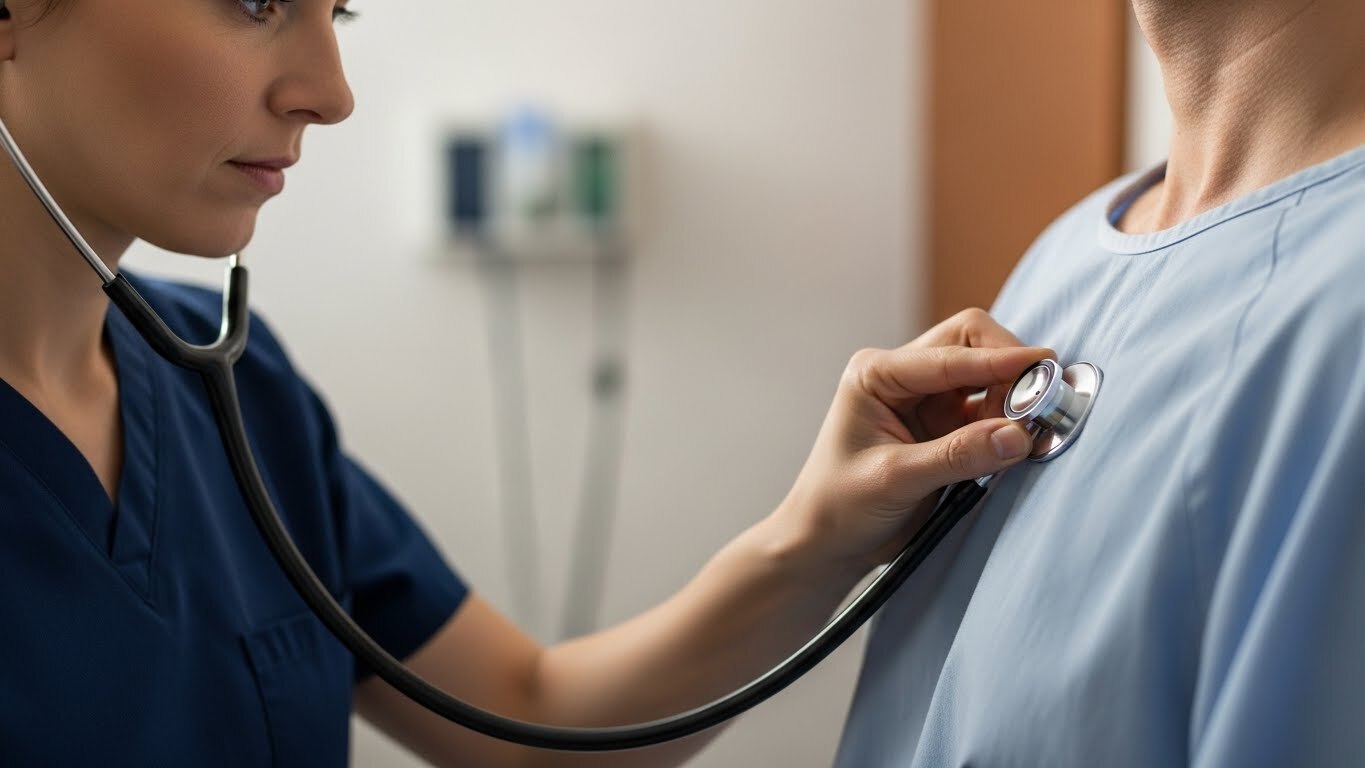
Scopes help clinicians listen, check, and observe internal structures during visits. Stethoscopes remain extremely common in US practice because they support cardiovascular screenings. Many adults and older patients need regular heart and lung evaluations to stay healthy. Providers use stethoscopes several times daily because they help detect subtle internal sounds. Otoscopes also serve primary care providers in examining ears for blockages or infections.
- Scopes help providers listen to internal sounds clearly
- They support regular exams in outpatient settings
- They help detect issues without discomfort for the patient
Ear complaints remain common in many clinics, making otoscopes important for regular checks. These tools help providers examine the canal, membrane, and inner structures. They also support care for children because ear infections often appear in younger patients. Many US clinicians consider scopes an essential part of diagnostic instruments used daily.
Measurement Tools (Thermometers, Sphygmomanometers)
Measurement devices remain necessary for almost every medical visit. Thermometers help monitor body temperature, which supports infection checks. Blood pressure monitors help track hypertension, which affects millions of US adults. Providers check these vital signs during routine visits or follow-up sessions. These tools help them understand the patient’s current condition quickly.
- They provide fast readings for vital signs
- They support early detection of long-term conditions
- They appear in almost every medical exam
These measurement devices create the foundation for many treatment steps. Without accurate readings, clinicians cannot build safe treatment plans. This makes these tools one of the most important diagnostic medical instruments used in modern clinics.
Point-of-Care Analyzers (Glucometers)
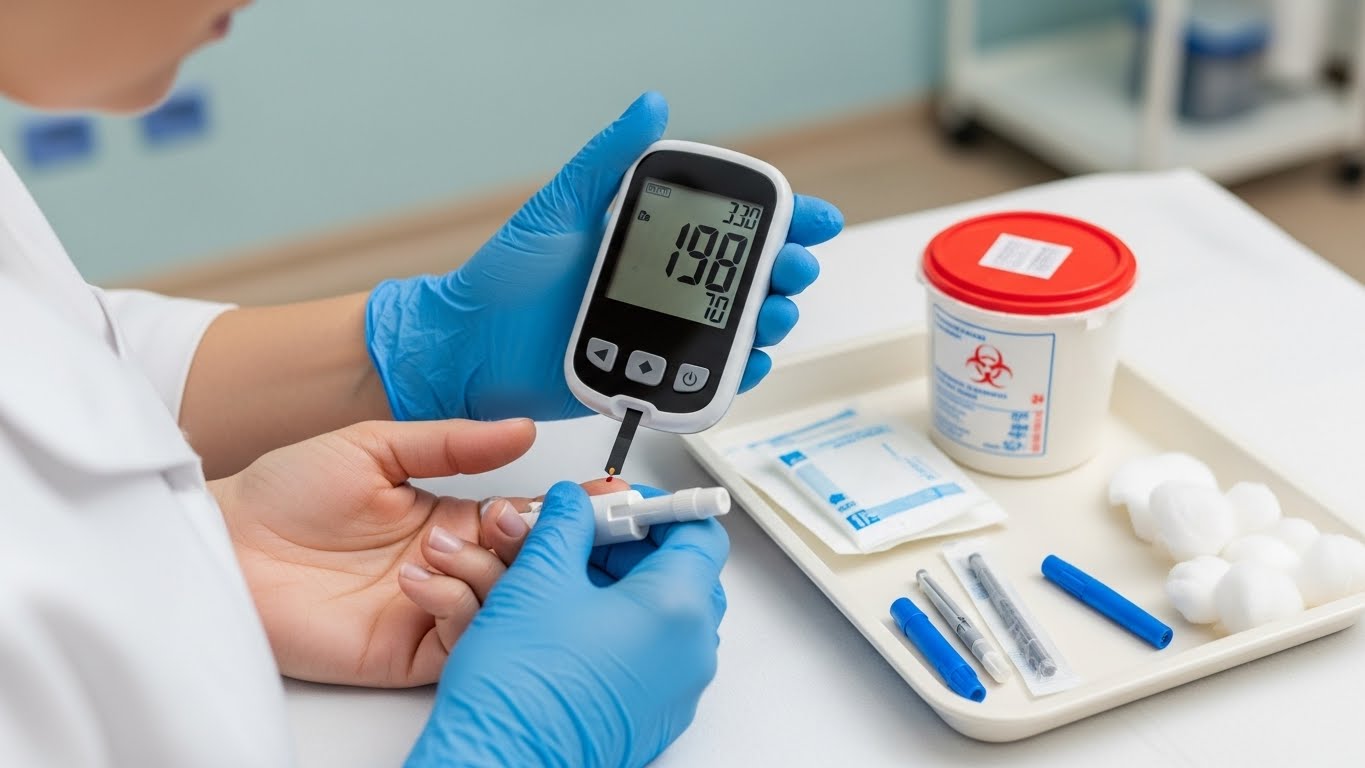
Point-of-care tools support immediate testing without sending samples to large laboratories. A common example is the glucometer, which checks blood glucose levels quickly. Many US clinics rely on these devices to support diabetes management. Providers need fast answers for patients who require urgent glucose checks. These analyzers help teams respond quickly and adjust care immediately.
- They offer results within a few seconds
- They support long-term disease monitoring
- They improve workflow for clinicians and nurses
Tools like these appear in many lists of diagnostic instruments and supplies because they help busy clinics manage large patient volumes. As patient numbers continue to grow, point-of-care tools become even more valuable.
Essential Instruments for a Small Clinic
Many people ask: Which diagnostic instruments are suitable for small clinics? Small clinics choose versatile tools that support many types of patient needs. These clinics often treat fever, infections, breathing problems, pain, and chronic issues. A small medical team needs reliable items to manage these concerns daily. Simple and easy tools help them offer care without delay. A typical setup includes a strong group of basic diagnostic instruments that meet everyday requirements.
Common tools include stethoscopes for chest and heart checks. Otoscopes help examine ear health for adults and children. Blood pressure monitors support routine screenings and chronic care. Pulse oximeters help measure oxygen levels during breathing concerns. Thermometers help track fever and infection risk. Monitoring tools also help detect early signs of health changes. These items appear in most clinic rooms because they help providers act quickly.
Small clinics also use point-of-care devices for immediate testing. Many patients need rapid checks without waiting for long laboratory processing. Glucometers often support diabetes patients who need regular monitoring. Some clinics also use small portable scanners to support diagnosis. Other items, like ultrasound gel including products such as Chattanooga conductor ultrasound gel, help clinicians perform scanning tasks properly. Many clinics also keep a wider group of basic diagnostic instruments and supplies for quick decisions.
These clinics depend on simple technology because it helps them respond to emergencies. Tools must remain easy to clean and easy to store. Simple designs help staff use them without difficult steps. Many teams train new staff using these tools because they are user-friendly. Clinics rely on versatile devices to handle high patient numbers each day.
The Evolution of Diagnostic Technology
New diagnostic technology continues to grow because the US healthcare system invests in better monitoring. Many clinics now use connected tools that link data directly to electronic systems. Wearable devices also help track patient conditions outside the clinic. Updated sensors and portable equipment support faster decisions during busy hours. These advances help providers give faster answers to patients who need immediate evaluation.
Many urgent care centers use point-of-care technology to support fast testing. These centers serve many walk-in patients who want rapid results. Providers use upgraded tools to reduce time and improve care quality. Sensors now give clearer readings and help detect issues more accurately. Portable imaging tools help clinicians review internal structures without large machines.
Better technology also reduces overall waiting times for patients. Clinics use digital readings to share results quickly with specialists. Wearable tracking devices help providers understand long-term patterns in patient health. Many US patients now prefer clinics that use modern tools because they trust digital readings. This increase in digital use strengthens the role of diagnostic medical instruments in everyday care.
Modern upgrades help clinics manage more patient visits each week. These improvements also reduce errors, making diagnosis safer for everyone. Clinics continue to add new diagnostic instruments and supplies each year because tools evolve rapidly. Technology will continue to shape the future of preventive and urgent care.
Conclusion
In the US, diagnostic tools continue to play an important role in everyday healthcare. Nursing practice depends on such tools to direct evaluation in a fast and safe manner. These are useful tools that aid providers with symptom checking, monitoring changes, as well as assisting in treatment decisions. With the increase in outpatient visits, the necessity to have effective tools becomes even stronger. Clinics and hospitals trust these instruments because they improve accuracy throughout the day. Growing patient demand makes modern tools more important than ever.
More helpful details about commonly used tools appear in diagnostic instruments and supplies. Explore these items to understand how they support medical work every day.