

The Syringe Piston and Plunger Explained
Dec 8th 2025
Many people use syringes daily without knowing how these parts work. In the US, more than seven billion syringes are used each year. Each syringe must give accurate delivery for safe medical care. The flow of each drop within the syringe is regulated by two tiny parts. The plunger and the piston are these two components. These pieces appear simple yet have very important work to do. Their movement helps users draw medication safely and steadily. Their design also keeps the dose accurate and controlled. Understanding them helps professionals and home users feel more confident. This knowledge also helps people choose the right tools for their daily needs.
The Role of the Plunger
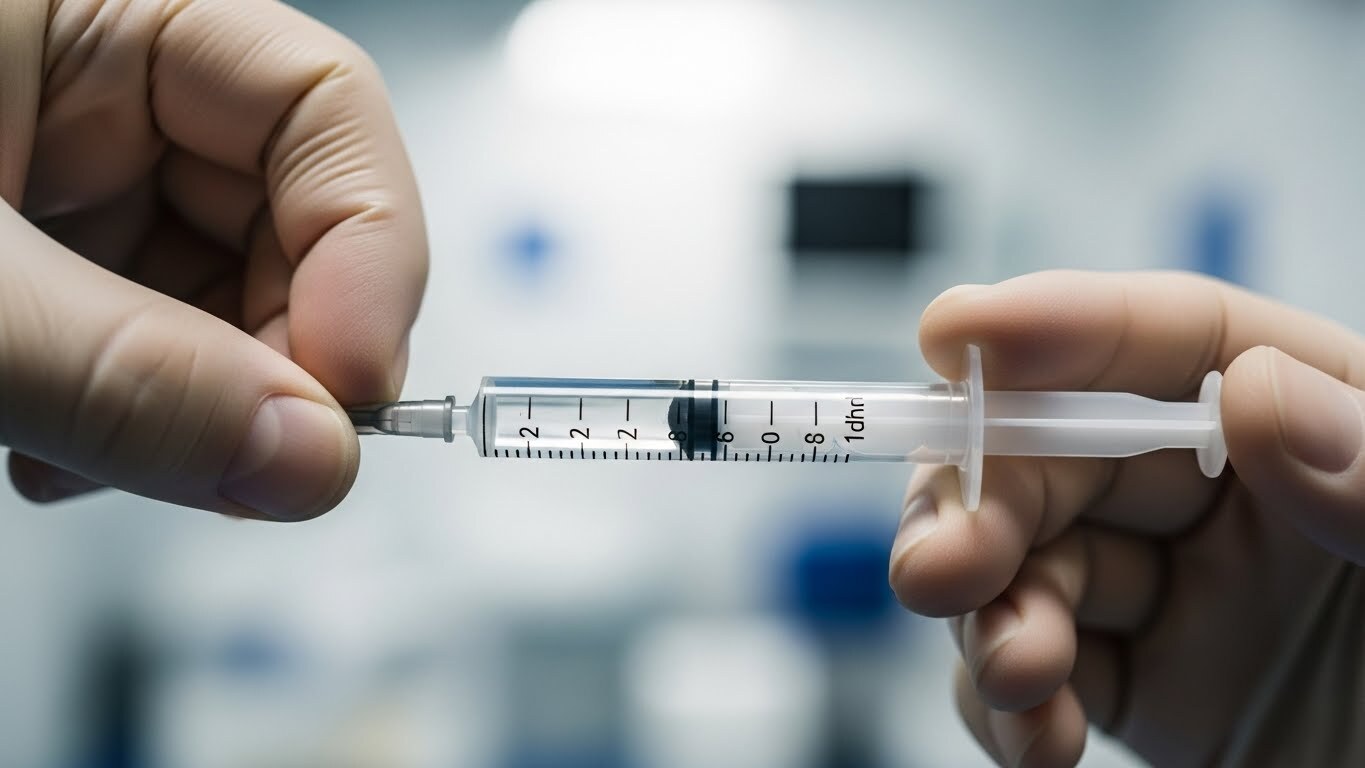
The plunger is the long plastic rod people push and pull during use. This part moves smoothly inside the barrel to control the fluid. The movement guides how much medication enters or leaves the syringe. Many people learn these basics when exploring different syringe tools. Some explore syringe barrels to understand structure and precision. Others try full syringes with needles to learn the full system. The plunger works in both simple and advanced syringe types. Its job remains the same regardless of the size of the syringe. This renders it simple to understand both beginners and professionals.
Creating a Vacuum to Draw Fluid
When the user pulls the plunger back, it creates a gentle vacuum. This vacuum pulls medication into the barrel with steady movement. This action helps capture the exact amount needed for treatment. This smooth pull is very important for accurate dosing in healthcare work. Clinics depend on this reliability for safe medication preparation. A stable vacuum helps prevent mistakes in busy medical settings. This action also helps home users measure medicines safely. The gentle pull also prevents sudden pressure changes inside the barrel.
Applying Force to Expel Fluid
When the user pushes the plunger down, pressure forms inside the syringe. This pressure sends the medication out through the needle. The push must feel smooth for comfort and accuracy. This is why plunger quality matters for many users. A weak plunger can cause uneven pressure and discomfort. A strong plunger offers a steadier flow of medication. Many people feel more confident when the plunger moves smoothly. This simple control supports safe injections in many situations.
The Piston: The Rubber Seal at the End
The syringe piston sits at the tip of the plunger. This part is the soft rubber piece that forms a tight seal inside the barrel. The piston of the syringe helps guide smooth and even movement during use. Users compare different piston styles when exploring hypodermic tools. Some compare options while choosing pen needles or medical injector devices. Others look at disposable syringe pistons for daily routines. The piston works quietly but does very important work. It helps the plunger move with the right level of resistance. This balance helps the syringe feel safe and easy to control.
Why a Perfect Seal Is Critical
A good seal prevents leaks when drawing or pushing medicine. A loose piston can lead to inaccurate doses and unsafe results. A tight piston can cause the plunger to stick or move unevenly. These sudden jumps can cause discomfort and confusion during injections. Many people avoid these issues by using well-designed syringe plungers. A balanced seal offers comfort and correct medication amounts. Many medical teams look for pistons that give this steady resistance. A smooth seal also protects the barrel from air entering during use. This increases accuracy in many medical settings.
How to Read Your Dose Using the Piston
Does reading depend on the position of the piston inside the barrel? The user aligns the top edge of the piston with the barrel markings. This alignment helps measure the correct amount for safe treatment. Many US healthcare workers train carefully for accurate measurement. This is because dosage errors remain common and preventable mistakes. Even small syringes need correct alignment for safe medication handling. Many people practice reading doses using general medical syringe tools. Others explore needles and syringes for routine home care. Training helps users improve their skills and confidence with each dose.
Common Issues with Plungers and Pistons
Some problems appear when users handle syringes over long periods. These issues can affect comfort, accuracy, and safety. Common problems include:
- The plunger is sticking due to friction
- The piston is wearing down after frequent use
- Air bubbles are forming inside the barrel
- Difficulty pushing when the fluid is thick
Many issues appear when syringes are reused multiple times. Many US safety guidelines strongly advise against reuse. High-quality plunger piston syringe parts reduce these problems. Good storage also helps prevent wear on barrels and plungers. Many people use dry, clean spaces to store their syringes. This helps keep the barrel and plunger of the syringe in better condition. These steps help users maintain smooth injections and reliable results.
Conclusion
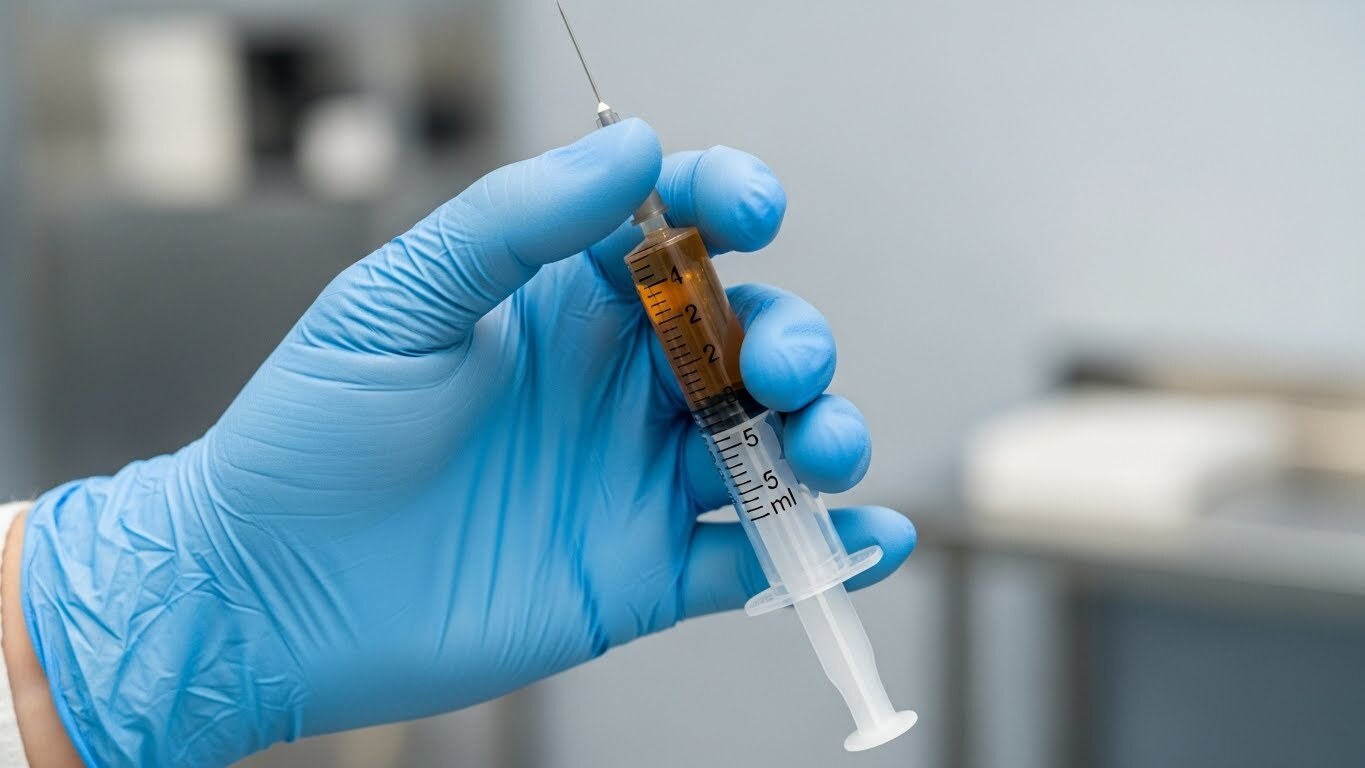
The plunger and piston help make injections safe for millions of people every day. Their design and movement guide how fluid enters and leaves the syringe with control. Accurate seals and steady pressure make each dose safer and easier to manage. These parts may look small, but they handle very important tasks inside every syringe. Their reliability keeps medical care safe and predictable in homes and clinics. As the demand for precise tools increases, these two pieces remain essential in all settings.
Anyone wanting to explore different syringe types can view full selections of needles and syringes for daily medical use. Many users also browse wider medical resources to find helpful tools and learn more about safe injection methods.