
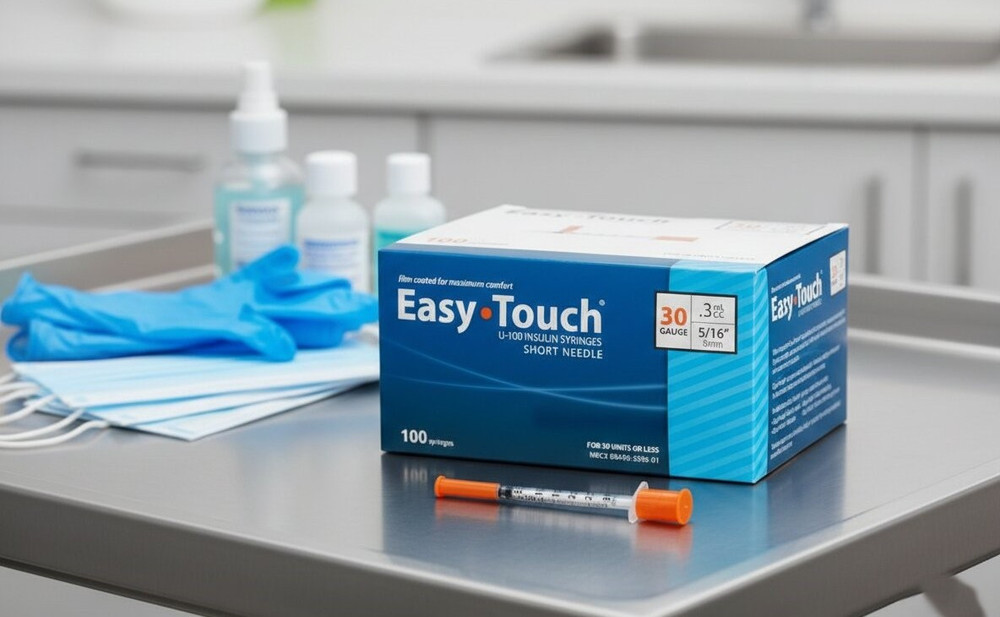
Safety Syringes vs Standard Syringes: Do You Need Them
Feb 21st 2026
A small needle mistake can cause serious health problems later. Many workers face daily risks while giving injections to patients. Reports show injuries often happen during routine patient care tasks. The topic of safety syringes vs standard syringes matters for every provider.
Needlestick injuries remain a serious workplace danger across healthcare settings. The CDC reports around 385,000 sharp injuries yearly among hospital workers. These injuries include punctures from used needles during daily procedures. Blood contact raises infection risks from dangerous viruses and bacteria.
OSHA enforces the Needlestick Safety and Prevention Act across workplaces. Employers must use safer medical devices when appropriate and available. This law helps protect workers from avoidable needle injuries. Safer devices lower risk through improved device design and controls.
The injectable drug market grows due to chronic disease treatments. Diabetes care increases injection needs across many home settings. Biologic therapies increase regular injection use among patients nationwide. Home based care expands injection frequency outside hospital environments.
Safety engineered syringes become more common within modern care practices. Clinics adopt devices supporting how safety needles work during daily use. Providers seek devices that improve needlestick prevention across busy clinics. Teams review options from trusted distributors for regulated medical supplies.

How Retractable Safety Needles Work
Safety syringes include systems that protect users after each injection. These systems cover needles to reduce accidental skin contact risks. Designs reduce exposure to bloodborne viruses after medication delivery. Healthcare workers benefit from clear guidance about how safety needles work.
Post-Injection Retraction
Retractable systems pull needles into barrels after medication delivery. This action removes exposed sharps during disposal and transport tasks. Workers face fewer risks when needles remain safely contained. This feature supports safer handling during busy clinical environments.
The FDA highlights safety engineered devices for injury prevention strategies. Hospitals and clinics benefit from safer sharps handling practices. Outpatient settings also benefit from reduced accidental exposure events.
Needlestick Prevention
Safety syringes include shields or flip locks after injection use. These covers create barriers against sharp tip contact risks. This physical protection improves needlestick prevention during disposal tasks. Workers feel safer when needles lock securely after use.
The CDC reports that safety devices reduce injuries by eighty percent. Proper training helps teams gain full benefits from safety devices. Routine use supports safer work environments across healthcare teams.
EasyTouch Fluringe FlipLock Features
Some safety syringes use flip locks for needle protection. The EasyTouch Fluringe FlipLock activates quickly after injection completion. This design helps users avoid accidentally touching sharp tips. Users activate the lock with simple hand movements.
These systems support quick protection during busy clinical workflows. Nurses prefer devices that activate without extra complex steps. Quick actions reduce risk during medication delivery routines.
Traditional insulin syringes provide accurate dosing for patients. These include U-100 30G insulin syringes for daily use. These options lack automatic protection after injection completion. Users must handle exposed needles with careful disposal steps.
Ultra fine syringes focus on patient comfort during injections. These include 31G ultra thin syringes for reduced pain. Comfort focused syringes do not reduce injury risks after use. Users must follow strict disposal steps for exposed sharps.
Who Should Use Safety Syringes
Understanding who needs safety syringes helps reduce workplace injuries. Different care settings face different sharps injury risks daily. Safer devices support injury reduction across varied medical environments.
Healthcare Workers
Hospitals face the highest exposure risks during frequent injections. Outpatient clinics manage sharp risks during high patient turnover. Surgical centres perform procedures requiring frequent sharp handling. OSHA requires safer sharps use when feasible and available.
Standard hypodermic syringes remain common across many medical settings. Options include 25 gauge hypodermic syringes for routine procedures. These devices require careful handling without built in retraction features. Teams follow strict disposal rules to prevent accidental injuries.
Home Caregivers
More injections occur outside hospitals within home environments. The CDC reports increased home injections for chronic disease care. According to the CDC’s National Diabetes Statistics Report, over thirty seven million Americans live with diabetes nationwide. Many patients rely on daily insulin injections at home.
Caregivers use insulin syringes for routine medication delivery. Options include 30G syringes, 29G syringes, and 28G syringes. Some caregivers choose home caregiver safety syringes for added protection. Safer designs reduce injury risks during home disposal tasks.
Veterinary settings also rely on sharps for animal care. U-40 29G veterinary syringes support insulin delivery for animals. Safer disposal helps protect caregivers and household members.
Safety Syringe Cost vs Regular Syringes
Many clinics compare the safety syringe cost against regular syringe pricing. Safety syringes cost more due to built in protective mechanisms. These designs include shields, locks, and retractable safety systems. Extra parts increase production costs for safety focused syringe options.
The United States Department of Labor explains injury treatment costs. Needlestick injuries cause testing, treatment, and follow up expenses. These costs reach thousands of dollars for each injury case. Administrative work also increases costs for injured healthcare workers.
Facilities compare equipment prices with injury prevention savings. Managers review worker safety outcomes when choosing syringe types. Compliance with safety laws also affects purchasing decisions. When facilities review costs, they often compare these important factors.
- Device purchase price
- Occupational health expenses
- Liability and compliance requirements
- Worker safety outcomes
High volume insulin programs use standard syringes for routine care. Options include 30G insulin syringes for frequent daily injections. Controlled home environments often manage disposal with careful handling. Institutions prefer safety options for higher risk exposure settings.
Safety devices offer measurable safety syringe benefits during daily workflows. Reduced injuries support long term financial savings for organizations. Improved safety culture supports staff trust and workplace confidence.
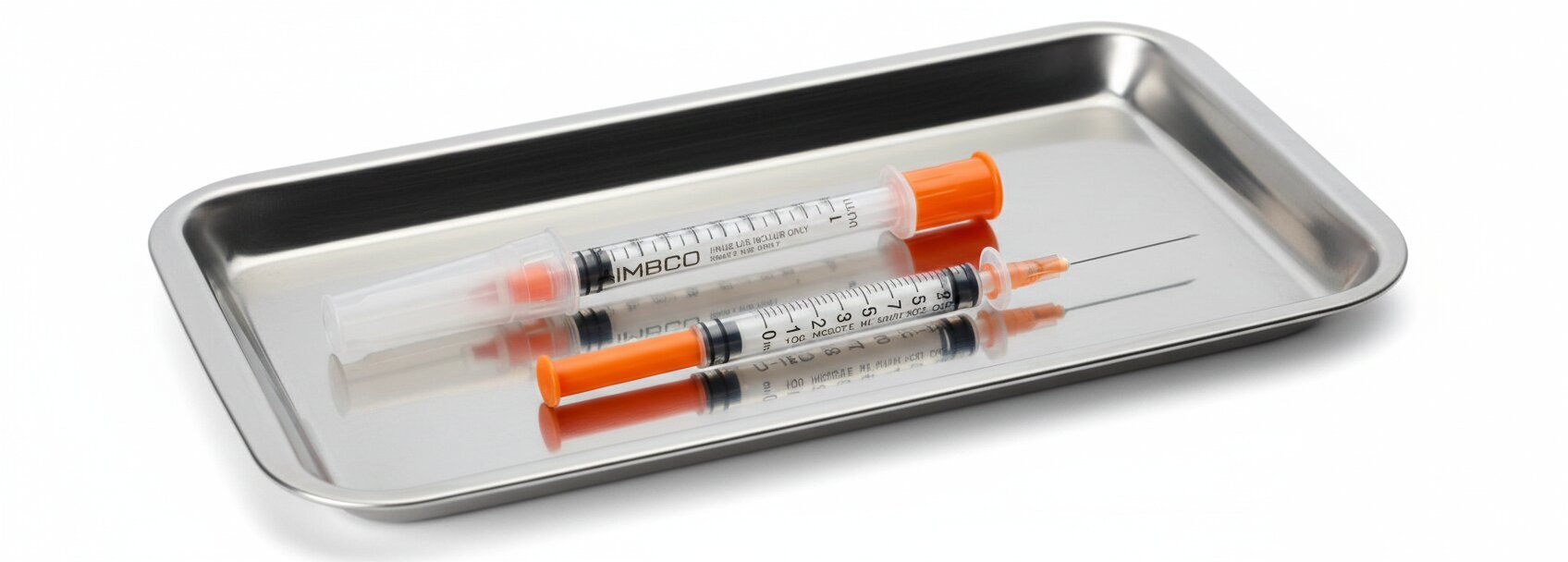
Disposal Benefits of Safety Needles
Improper disposal creates injury risks for families and workers. The FDA recommends immediate sharps container placement after each use. Delayed disposal increases exposure risks for nearby individuals. Clear disposal steps protect sanitation workers and household members.
Safety syringes reduce accidental contact during transport to containers. Retracted needles prevent skin contact during disposal handling. Shielded needles protect users during short transport movements. These features improve overall safety in needle disposal practices.
Sanitation workers face risks from exposed sharps during waste handling. Household members also face risks from open needle contact. Safer designs reduce risk during home waste movement.
Millions of syringes are used yearly within home environments. Public health groups discuss safer disposal for home settings. Improved safety protects communities from preventable injury risks.
Conclusion
Safety syringes and standard syringes serve different care needs. Risk levels change based on environment and usage frequency. Busy clinics face higher injury risks during repeated procedures. Hundreds of thousands of injuries occur yearly within healthcare facilities. Safety engineered devices provide measurable injury protection benefits. Teams experience fewer incidents when safer devices become standard.
Standard syringes remain common for insulin and routine injections. Common sizes include 30G, 29G, and 28G syringe options. Home settings often manage disposal through careful handling habits. Decisions depend on volume, safety laws, and exposure risks. Providers balance protection needs with operational cost planning. Clear policies help teams choose safer medical device options.
Understanding device differences supports safer daily injection practices. Clear knowledge helps teams reduce injury risks during care. Regulatory guidance from OSHA and CDC supports safer device selection.
Providers choose retractable systems or traditional hypodermic options. Regulated distributors supply both safety and standard syringe types. Safe injection practices remain essential for injury prevention goals.
Choose safer injection tools for daily patient care needs. Review safety features before selecting syringes for regular use. Support safer handling habits across clinics and home care settings. Ask suppliers about retractable safety needles for routine injections. Compare safety syringes vs standard syringes for risk reduction planning. Invest in home caregiver safety syringes for safer family care routines.