

Piston Syringes vs Standard Plunger Syringes
Mar 27th 2026
Not all syringes work the same way in real healthcare settings. Many tools look similar but operate differently during fluid delivery tasks. The piston syringe vs. the standard plunger syringe difference affects accuracy and control. Fluid movement inside a syringe determines dosing precision and safety outcomes.
Modern healthcare relies on exact delivery for biologics and injectable therapies. The United States syringe market reached over 7.5 billion dollars during 2024. Research shows that around 1.5 million patients face medication dosing errors annually. Choosing the correct types of syringes for injection improves outcomes and reduces risks.
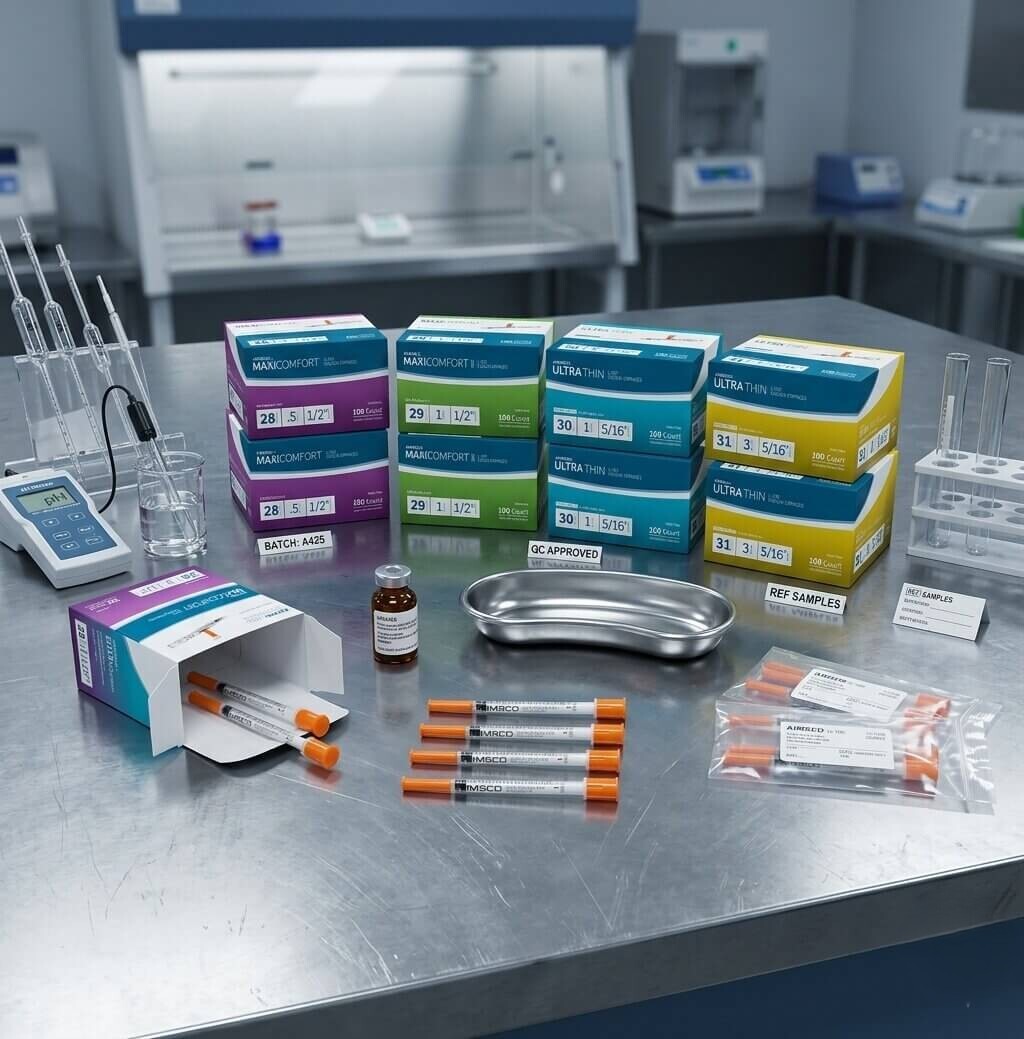
Piston Syringe Design Explained
A piston syringe design uses a threaded mechanism instead of a push plunger. This system allows slow movement and better control during fluid delivery.
These syringes work well in laboratories and specialised medical procedures. They help deliver very small amounts accurately without sudden fluid release.
Threaded Advancement — how the screw mechanism controls movement
In piston syringes, rotation moves fluid using internal threaded components. Each turn advances the piston forward in small controlled increments. This method creates reliable threaded syringe advancement during operation.
The mechanism prevents sudden fluid release caused by pressure variation. Smooth movement ensures accurate dosing across sensitive applications. Controlled systems support improved performance in modern healthcare practices.
Precise Control — why it delivers more accuracy than standard plunger
Piston syringes move fluid in fixed increments for consistent delivery results. This reduces variation caused by inconsistent manual pressure during operation. Key benefits of this design include the following performance improvements.
- improved dose accuracy
- smoother delivery
- better repeatability
Accuracy matters greatly in research and specialised clinical care environments. Precision tools help maintain stable and reliable dosing performance.
Standard Plunger Syringe Design
Standard syringes use a simple push and pull plunger mechanism. This design remains the most common across healthcare environments worldwide.
These syringes are cost-effective and easy to operate during daily use. They support fast workflow in busy hospitals and clinics.
How Plunger Mechanism Works
The plunger moves manually to draw and push fluid during use. This process depends entirely on user control and applied pressure. Despite variation, these syringes remain widely used in healthcare systems. Key working points include the following operational characteristics.
- fluid speed depends on hand pressure
- accuracy varies between users
- Rapid delivery is possible
Where Standard Syringes Are Used
Standard plunger syringes are used across many healthcare environments globally. Their flexibility allows use in different treatments and procedures. Studies show disposable syringes represent nearly eighty percent of global usage. Common uses include the following important healthcare applications.
- vaccinations and immunization programs
- insulin delivery for diabetes patients
- intravenous and intramuscular injections
Applications Requiring Piston Syringes
Piston syringes are selected when precision matters more than speed. These tools work best in controlled environments requiring accurate measurement.
They support processes involving delicate materials and strict control conditions. Such environments require reliable and repeatable measurement performance.
Microinjections
Microinjection procedures require delivering extremely small fluid volumes precisely. These operations occur at microscopic levels where accuracy becomes essential. Common uses include the following scientific and medical applications.
- cell biology research
- fertility treatments
- gene therapy experiments
A microinjection syringe provides the control needed for these tasks.
Laboratory Use
Laboratories frequently use piston syringes for analytical and testing work. These environments require accurate measurement during complex processes. Demand for precision syringe use grows with expanding research industries. Typical uses include the following laboratory applications.
- chemical sampling
- chromatography preparation
- pharmaceutical testing
Accuracy Benefits
Accuracy is the most important difference between syringe design types. Small improvements in precision reduce errors in clinical and research settings.
Better control ensures stable delivery across repeated procedures and applications. This supports improved results and higher reliability in outcomes.
Dose Consistency
Piston syringes deliver consistent volumes through controlled mechanical movement. Each movement produces predictable output during repeated usage cycles. Consistent dosing reduces variability linked to measurement inconsistencies. Consistency becomes important in several sensitive situations.
- administering sensitive medications
- conducting repeat experiments
- preparing precise formulations
Reduced User Error
Standard syringes depend on the user's technique during operation. This introduces variation based on pressure and handling differences. Reducing human error improves safety across medical environments. Piston syringes reduce these risks through controlled movement systems.
- limiting sudden pressure changes
- controlling flow rate
- standardising delivery increments
Cost and Availability
Cost and availability differ between piston and plunger syringe types. These differences influence selection across healthcare and research sectors.
Standard syringes are widely available due to large-scale manufacturing. Piston syringes are less common because of specialised production needs.
Price Comparison
Standard plunger syringes are affordable because they are mass produced. Their simple design reduces manufacturing cost and complexity significantly. Pricing reflects differences between routine and specialised applications. Piston syringes cost more due to specialised engineering requirements.
- complex internal mechanism
- limited demand
- precision manufacturing
Where to Buy
Standard syringes are available through pharmacies and medical suppliers. Their demand ensures a consistent supply across healthcare systems worldwide. Supply chains continue growing alongside increasing healthcare demand. Piston syringes are available through specialised supply channels.
- laboratory equipment suppliers
- specialised distributors
- research procurement systems
Maintenance and Cleaning
Maintenance depends on whether syringes are disposable or reusable types. Disposable syringes require no cleaning after use in clinical settings.
Reusable tools need proper care to maintain accuracy and performance. Maintenance improves safety and extends usable lifespan.
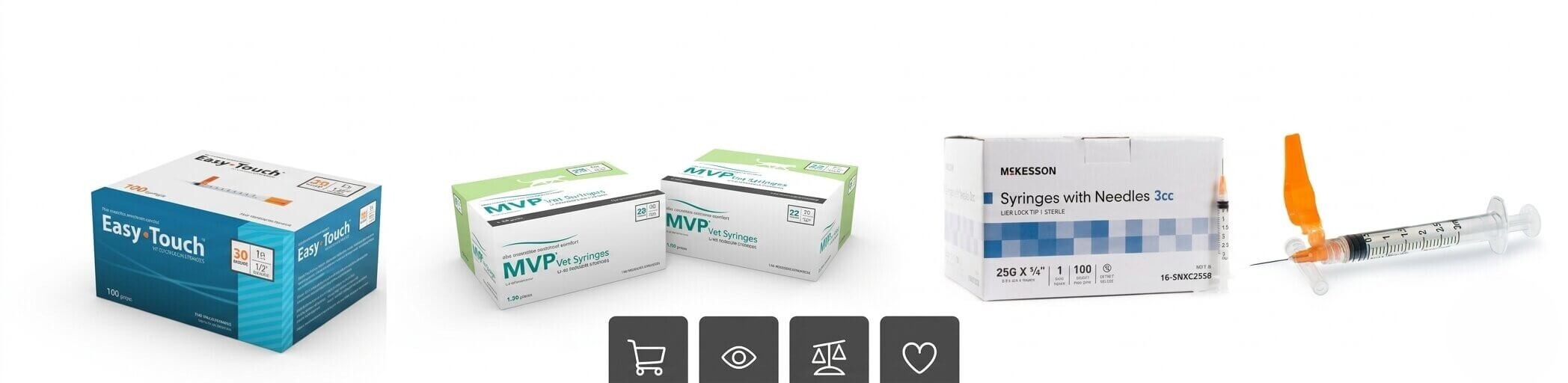
Piston Syringe Care
Some piston syringes support repeated use in controlled environments. These tools require careful maintenance to preserve precision and performance. Maintaining these syringes ensures consistent accuracy over time. Proper care includes the following important maintenance steps.
- cleaning after each use
- sterilisation using approved methods
- inspection of threaded parts
When to Replace
Replacement depends on syringe type and usage conditions. Disposable plunger syringes must be discarded after one use. Proper replacement ensures continued safety and accurate performance. Reusable piston syringes require replacement when wear affects performance.
- Reduced precision
- damaged components
- inconsistent movement
Understanding syringe mechanisms helps professionals choose the correct tool. The piston syringe vs standard plunger syringe comparison shows clear differences. Each design suits different applications based on the accuracy needs. Standard syringes work well for routine injections and general use.
Piston syringes support precision tasks like laboratory and microinjection work. Evaluating cost, accuracy, and use improves decision making effectively. The right syringe selection improves safety and performance outcomes significantly.
[Shop Arpovo for all syringe types and choose the right solution today.]