
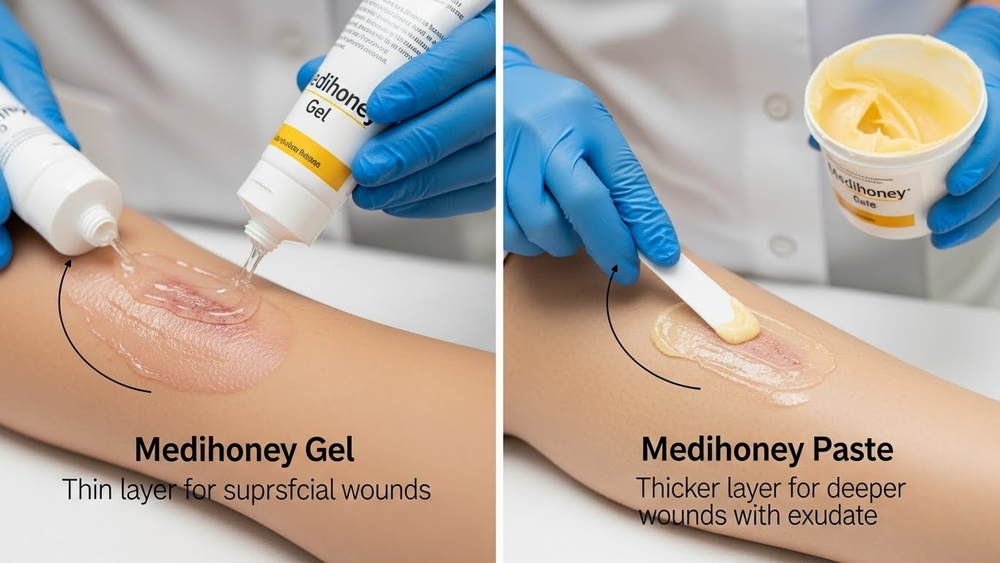
Medihoney Gel vs Paste: Understanding the Difference
Dec 17th 2025
Honey-based wound dressings are currently a powerful wound care component. Honey dressings are gaining popularity among healthcare providers as an option for managing complex wound management needs. In the United States, chronic wounds occur in over 6.5 million people annually in all care settings. Long-term wound risk is augmented by growing diabetes, aging populations and mobility problems. Complex wounds do not usually heal well using traditional gauze alone. Advanced honey dressings provide a balance of moisture, anti-bacterial effects and better healing results.
Within advanced wound care, honey dressings come in gel and paste forms. Each formulation serves specific wound conditions and healing requirements. Understanding medihoney gel vs paste helps improve wound healing success rates. Correct selection reduces dressing failures, infection risks, and patient discomfort levels. Clinicians benefit when they clearly understand formulation behavior during wound treatment. Patients also experience better comfort and fewer complications with correct product use.
Both options share medical-grade honey with natural antimicrobial properties. However, texture and stability create important differences in wound performance. Choosing the correct formulation improves moisture balance and tissue regeneration. This guide explains how gel and paste differ in real wound care situations. Clear knowledge helps determine when to use medihoney correctly. It also supports safer wound care decisions across clinical and home environments.
Key Properties of Medihoney Gel
Honey gel dressings feature a smooth and lightweight consistency. The texture allows gentle spreading across the wound surface without pressure. Medihoney gel flows easily and adapts to wound contours naturally. This helps create even coverage without disturbing fragile healing tissue. The gel maintains a moist environment essential for faster tissue repair.
Moist wound environments reduce scab formation and support cell migration. Clinical studies show moist care can shorten healing times significantly. The gel absorbs slightly while preventing excessive dryness at the wound site. This balance supports autolytic debridement and natural wound cleaning processes. The formulation remains flexible and comfortable during patient movement.
Best for Drier Wounds or Cavities
Gel formulations work best when wounds lack natural moisture. Low-exudate wounds often struggle to heal without hydration support. The gel provides controlled moisture to prevent tissue dehydration. This supports healthy granulation and epithelial growth during healing stages. Shallow wounds benefit from even hydration without excessive product buildup.
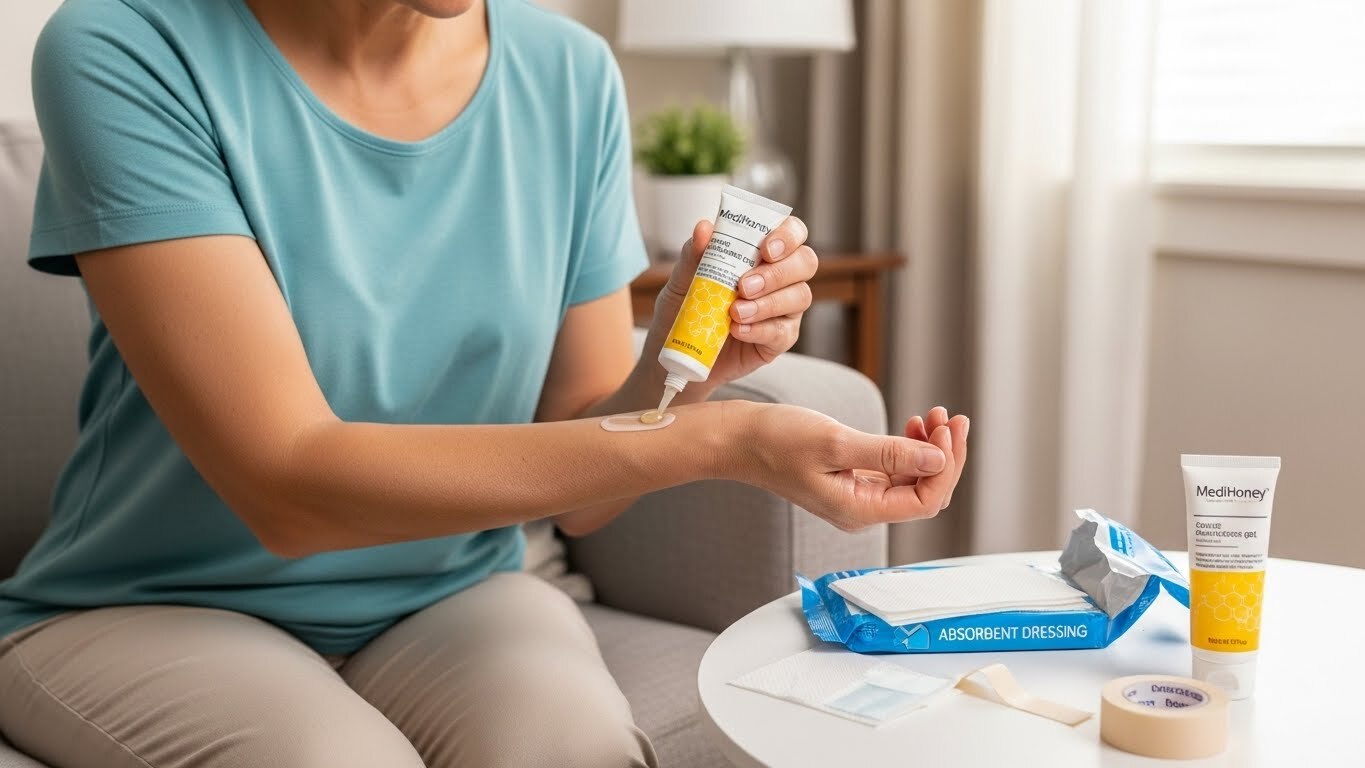
Cavity wounds also respond well to gel-based honey dressings. The gel gently fills shallow spaces without causing pressure damage. This reduces pain while encouraging uniform healing across wound surfaces. Home-care patients often prefer gel for ease of application. Outpatient settings commonly pair gel with secondary absorbent dressings.
Healthcare providers often ask what kind of wounds medihoney is used for. Gel works best for dry ulcers, minor burns, and shallow surgical wounds. It also supports wounds requiring gentle moisture without heavy absorption. Proper gel selection reduces dressing changes and improves patient comfort. This formulation suits early-stage wounds requiring hydration support.
Key Properties of Medihoney Paste
Paste formulations feature a thicker and more stable consistency. The dense texture allows precise placement on challenging wound surfaces. Medihoney paste dressing remains in place after application. This prevents migration caused by gravity or patient movement. The paste offers excellent control during dressing placement procedures.
Once applied, the paste resists spreading beyond the wound area. This stability reduces leakage and dressing contamination risks. Paste formulations handle moderate exudate levels effectively. They absorb moisture while maintaining contact with wound tissue. The thicker structure supports deeper wound management needs.
Ideal for Difficult-to-Dress Areas
Paste performs well on wounds with irregular or uneven shapes. Deep wounds require controlled filling without overpacking risks. Paste stays positioned inside cavities without collapsing or shifting. Movement-prone areas benefit from paste stability during daily activity. Joint areas and pressure zones often require thicker formulations.
In the United States, paste sees frequent use in long-term care. Pressure injuries often require stable dressings that resist movement. Surgical wounds with uneven edges respond well to paste application. These wounds represent a growing portion of chronic care cases nationwide. Paste supports controlled healing where dressing displacement risks remain high.
Clinicians often choose paste when gel cannot maintain placement. The formulation reduces frequent dressing adjustments and patient discomfort. Paste selection improves healing consistency across challenging wound locations. Understanding formulation differences improves long-term wound outcomes significantly.
A Chart: When to Use Gel vs. When to Use Paste
|
Wound Situation |
Gel |
Paste |
|
Dry or low-exudate wounds |
✔️ |
❌ |
|
Shallow wound beds |
✔️ |
❌ |
|
Irregular or deep wounds |
❌ |
✔️ |
|
Areas prone to movement |
❌ |
✔️ |
|
Easy secondary dressing coverage |
✔️ |
✔️ |
Both options support advanced wound care protocols across healthcare environments. They remain part of the broader honey dressings used nationwide. Clinicians often keep both formulations available for flexible wound management. Correct matching improves dressing performance and patient healing experiences.
Application Tips for Both Formulations
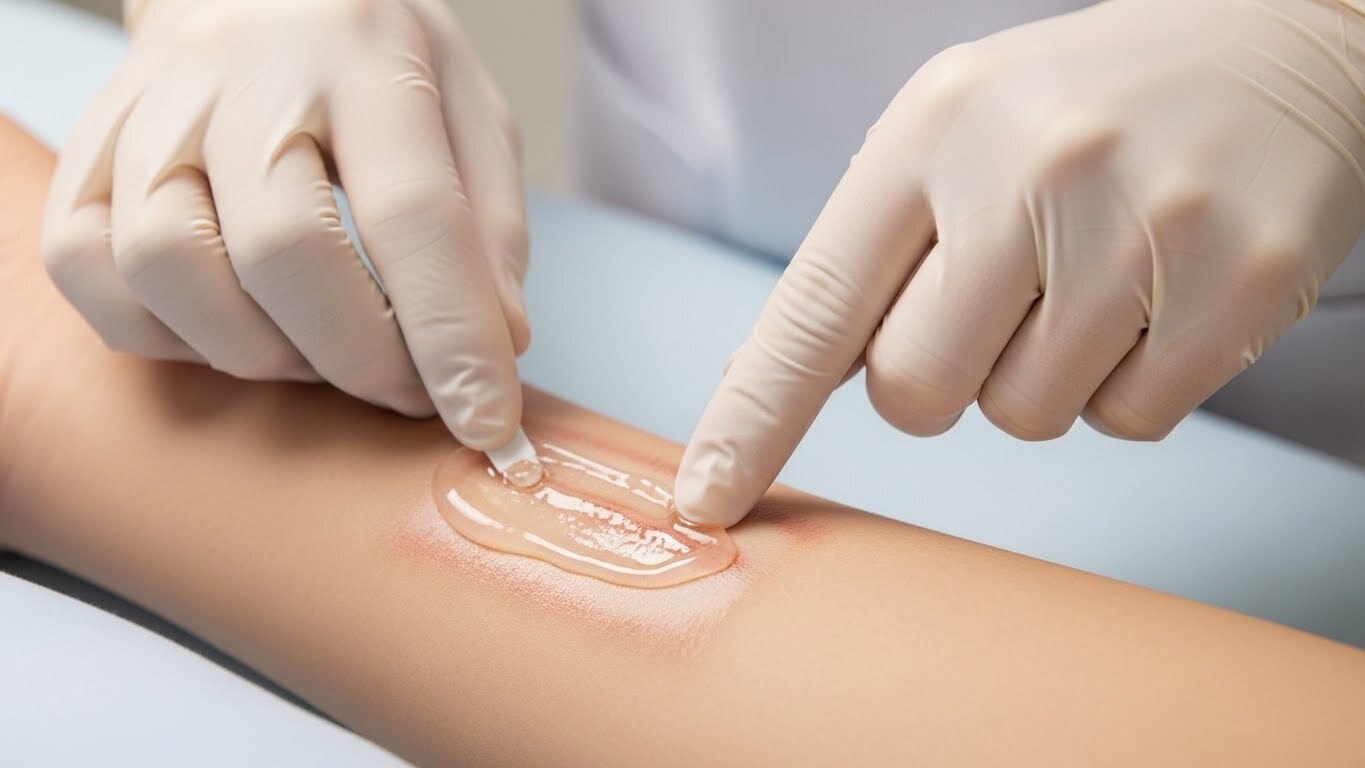
Always make sure to clean up the wound well before applying any honey dressing. Cleanse debris and necrotic tissue as per the clinical wound care guidelines. Then proceed to apply the product to the wound surface. There should not be too much pressure that can harm delicate healing tissues. Do not overpack cavities when using gel or paste formulations.
Use a suitable secondary dressing to secure placement. Secondary dressings help maintain hygiene and moisture balance. Change dressings according to exudate levels and wound response. Improper handling remains a leading cause of dressing failure. Home-care environments require careful attention to storage and cleanliness.
Clinicians often combine honey dressings with absorbent secondary materials. This pairing improves coverage and reduces leakage risks. Education on how often to apply medihoney gel remains important. Frequency depends on wound condition, exudate level, and clinical judgment. Correct technique improves outcomes while reducing complications.
Conclusion
Both formulations rely on the same honey-based healing principles. Physical differences determine how each performs in wound environments. Gel supports hydration and gentle healing in dry wound conditions. Paste provides stability and control for complex or mobile wound areas. Selecting the right formulation improves healing efficiency and patient comfort.
Advanced wound care adoption continues to rise across the United States healthcare system. Clinicians benefit from understanding the medihoney gel vs paste differences clearly. Correct formulation choice reduces dressing failures and treatment delays. Patients experience improved comfort and reduced infection risks. Knowledge-based selection supports safer and more effective wound management.
Managing wounds requires informed choices based on wound characteristics. Understanding formulation differences helps reduce complications during care. Reviewing available honey dressings supports better healing outcomes. Matching products to wound needs improves safety and treatment success. Informed decisions strengthen both clinical and home wound management practices.