
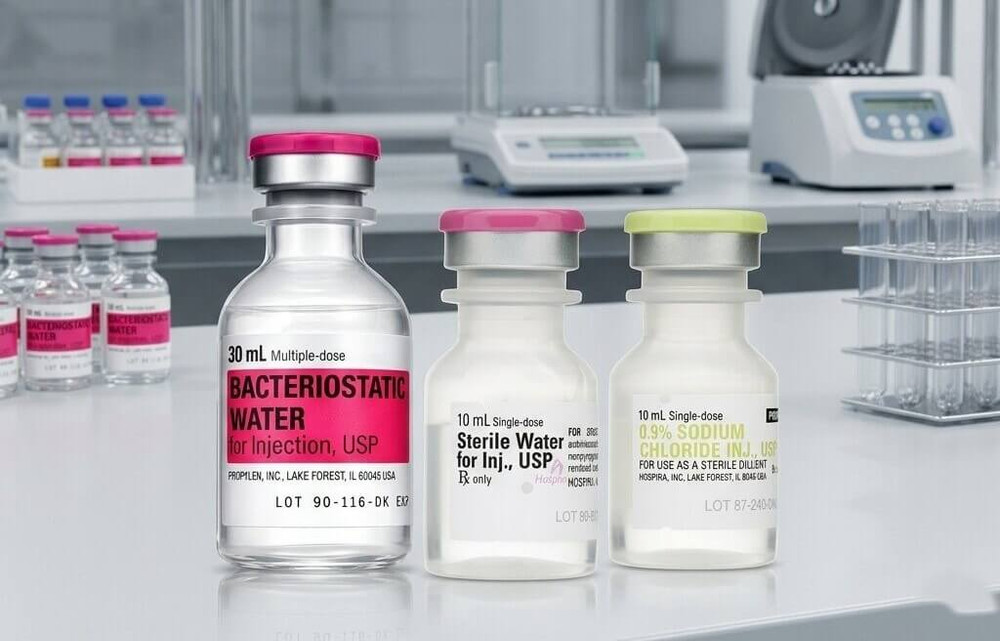
Injection Diluents: Types and Applications
Mar 13th 2026
Injections are part of life-saving treatments in modern medicine all over the world. Most injectable medications require safe preparation prior to administration to patients by doctors. These medicines are safe as they can be dissolved or diluted by healthcare professionals in sterile liquids. In clinical and pharmaceutical practice, such liquids are referred to as injection diluents.
These are sterile liquids that doctors use to dissolve, dilute or reconstitute medication. Such sterile solutions are relied upon by hospitals, the clinics, and pharmaceutical manufacturers. Sterile diluents for injections are also reliable because they are helpful in providing the accuracy and safety of drug preparation. These solutions support insulin treatment, vaccines, bio-logics, and intravenous medications.
Research highlights the importance of sterile preparation for injectable medicines. More than 40% injectable therapies require sterile diluent preparation first. Healthcare professionals therefore carefully select appropriate injection diluents during drug preparation.
The stability of drugs, their sterility and osmotic balance determine appropriate selection of diluents. Healthcare workers utilize saline, dextrose, preserved solution and sterile water. These products represent essential sterile diluents for injections used worldwide.

Saline (0.9% Sodium Chloride)
Healthcare professionals frequently rely on 0.9% sodium chloride saline for injectable therapies. Medical staff often call this solution normal saline in hospital environments. Doctors safely combine this solution with many injectable medications.
Antibiotics, vaccines, and electrolyte therapies commonly use this saline solution. Hospitals maintain large saline inventories because many procedures require it. Medical teams use saline for IV infusion, wound irrigation, and catheter flushing.
Industry reports show strong demand for saline within injectable therapy preparation. Isotonic saline constituted over seventy one percent of the physiological saline market in 2024. The clinical significance of 0.9% sodium chloride saline is demonstrated by this statistic.
Healthcare providers also dilute medications needing controlled sodium concentration levels. Clinical materials often explain product characteristics of 0.9% sodium chloride saline.
Isotonic Properties
Normal saline belongs to the medical group called isotonic saline solution. This solution closely matches the osmotic pressure of human blood plasma. Balanced osmotic pressure prevents harmful fluid movement across body cells.
Doctors use isotonic saline solution to safely deliver injectable medications. This balance helps maintain electrolyte stability during intravenous drug administration. Emergency medicine often relies on isotonic diluents for critical care treatments.
Medical guidelines frequently recommend isotonic solutions for physiologically compatible injections.
Common Uses
Healthcare professionals often rely on saline during daily medical treatments.
- Reconstituting powdered medications before injection preparation
- Diluting antibiotics before intravenous treatment administration
- Preparing vaccines safely before patient injection procedures
- Maintaining IV hydration and electrolyte balance during therapy
Market studies indicate millions of injections rely on saline dilution every year. Accurate dilution supports stable medication performance and reliable dosage delivery.
Dextrose Solutions
Another widely used diluent group includes dextrose injection solutions. These solutions contain glucose dissolved within sterile purified medical water.
Healthcare providers use glucose solutions when medications require sugar-based carriers. Doctors also use them when sodium-containing fluids are unsuitable for medications.
Hospitals frequently administer dextrose injection solutions during several treatment situations.
- Deliver medications intravenously through infusion therapy
- Provide hydration and calories for patients unable to eat
- Manage metabolic imbalance and electrolyte disturbances
Clinical research links rising use of dextrose solutions with diabetes prevalence. Metabolic disorders often require injectable medications prepared with glucose solutions.
Healthcare professionals carefully check compatibility before using dextrose injection solutions. Certain medications may degrade when mixed with glucose-containing fluids.
Bacteriostatic Saline
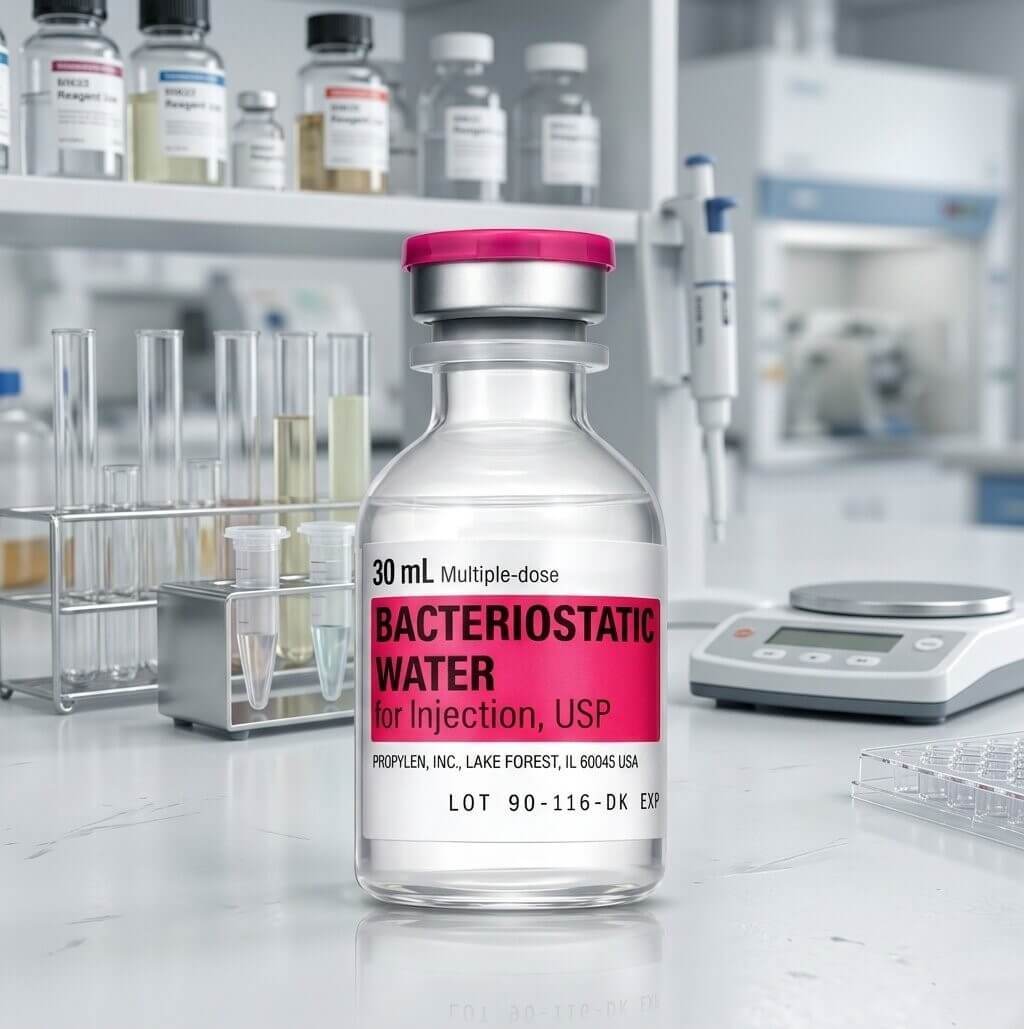
Healthcare professionals sometimes use preserved solutions such as bacteriostatic saline. This solution differs from regular saline because it contains antimicrobial preservatives. These preservatives prevent bacterial growth inside opened medical containers. Doctors can safely use the same vial multiple times during medication preparation.
This feature makes bacteriostatic saline helpful within busy healthcare environments.
Clinicians often prepare injectable medicines repeatedly throughout the day. Market research reports continued growth of bacteriostatic injection solutions worldwide.
The bacteriostatic water-for-injection market generated about $1.2 billion during 2024. Hospitals represented the largest consumer segment within this growing market. Healthcare providers depend on preserved solutions for efficient clinical workflows.
Preserved Saline Benefits
Preserved diluent solutions offer practical advantages for healthcare providers.
- Reduced risk of microbial contamination during medication preparation
- Longer usability compared with single-dose sterile diluent solutions
- Faster medication preparation in busy clinical treatment environments
Studies show hospitals account for more than sixty-five percent bacteriostatic water usage. Healthcare facilities prepare sterile injectable medications daily in hospital pharmacies. These advantages highlight important preserved saline benefits for healthcare operations.
Multi-Dose Applications
Busy healthcare environments frequently prepare medications many times every day. These environments benefit greatly from multi-dose saline diluent solutions.
Doctors can prepare several medications from one sterile container safely. Medical staff avoid opening many individual single-use vials during treatment hours.
Industry reports show strong adoption of multi-dose saline diluent products globally. Multi-dose bacteriostatic products represented more than fifty-seven percent market share during 2024.
Clinicians still follow strict storage rules for preserved injectable solutions. Proper handling protects sterility and ensures safe medication preparation.
Medication-Specific Diluent Requirements
Different medications require specific diluent solutions during preparation procedures. Pharmaceutical manufacturers clearly describe medication-specific diluent requirements for each drug.
Doctors follow these instructions carefully when preparing injectable medicines. Correct diluent selection helps maintain drug stability and treatment safety. Several important factors influence proper diluent selection decisions.
- Drug stability within saline, dextrose, or sterile water solutions
- Osmolarity requirements matching safe injection concentration levels
- pH compatibility affecting chemical stability and medication effectiveness
- Administration route including IV, intramuscular, or subcutaneous injection
Biologic medicines increased demand for careful diluent selection worldwide. Industry reports show sterile water supports nearly seventy percent injectable formulations.
These trends highlight the importance of understanding medication-specific diluent requirements. Pharmacists therefore carefully follow manufacturer guidelines during medication preparation.
Purchasing Diluents at Arpovo Health
Healthcare providers obtain sterile diluents through licensed pharmaceutical distributors. These distributors supply reliable sterile diluents for injections for clinical use.
Hospitals frequently purchase saline, sterile water, preserved solutions, and specialty diluents. Reliable supply chains ensure safe and continuous medication preparation processes. Medical facilities maintain consistent inventory levels for daily patient treatments. Emergency care departments also require immediate access to sterile diluent supplies.
Industry research confirms hospitals remain the largest consumers of injectable diluents. Rising surgical procedures and chronic disease treatments drive increasing demand. Healthcare organizations often buy injection diluents online through trusted medical distributors.
Safe injectable treatment always begins with reliable medication preparation practices. Healthcare professionals depend on high-quality Injection diluents for accurate drug preparation.
Using compatible solutions improves medication stability and patient treatment safety. Hospitals therefore maintain steady supplies of sterile diluents for injections. Healthcare providers can easily buy injection diluents online from Arpovo Health.
[Buy Injection Diluents Online for Safe Medical Preparation Today]