
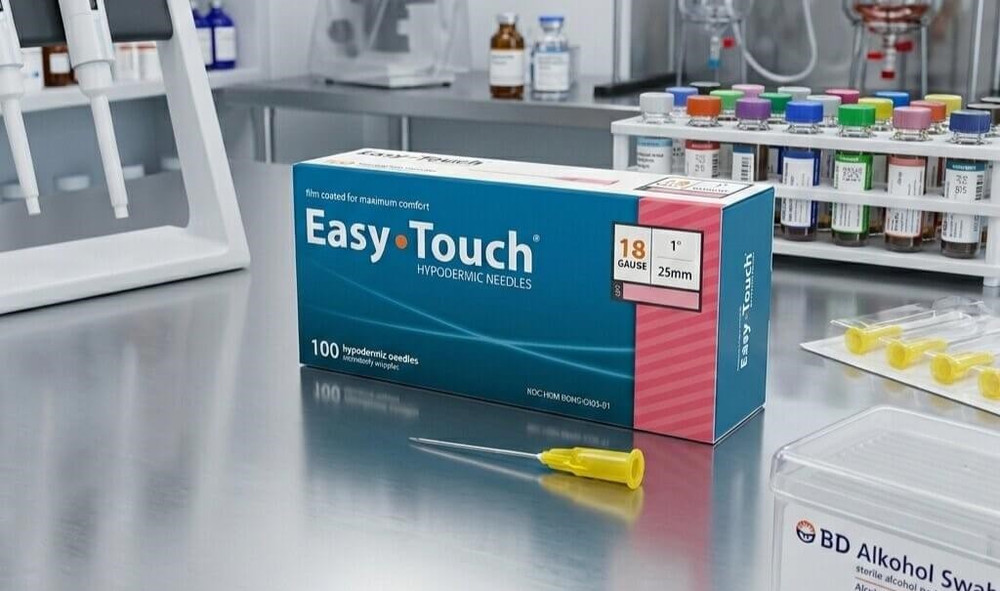
Hypodermic Needles: Medical vs Veterinary Applications
Mar 2nd 2026
A single needle often decides whether treatment feels safe, accurate, or painful. Across the United States, healthcare relies heavily on precise injection tools daily. Hypodermic needles support vaccinations, chronic disease care, and emergency treatments nationwide. The US injection devices market continues expanding due to rising medical and veterinary needs. Chronic disease management and vaccination programs increase needle usage across healthcare systems. Pet ownership growth also increases demand for veterinary injection supplies nationwide.
Healthcare market reports confirm diabetes prevalence drives long-term injection tool demand. Medical professionals depend on correct needle choice for safe patient outcomes. Veterinary professionals also require accuracy when treating animals of different sizes. Understanding medical vs veterinary needles improves safety, comfort, and treatment success. Many facilities source supplies from trusted providers offering consistent quality injection tools.
Hypodermic Needle Size Range
Needle size selection strongly affects injection safety and patient comfort. US clinical guidelines recommend sizes based on medication, route, and patient characteristics. Correct needle gauge sizes reduce complications and improve drug delivery accuracy.
18G to 27G Options
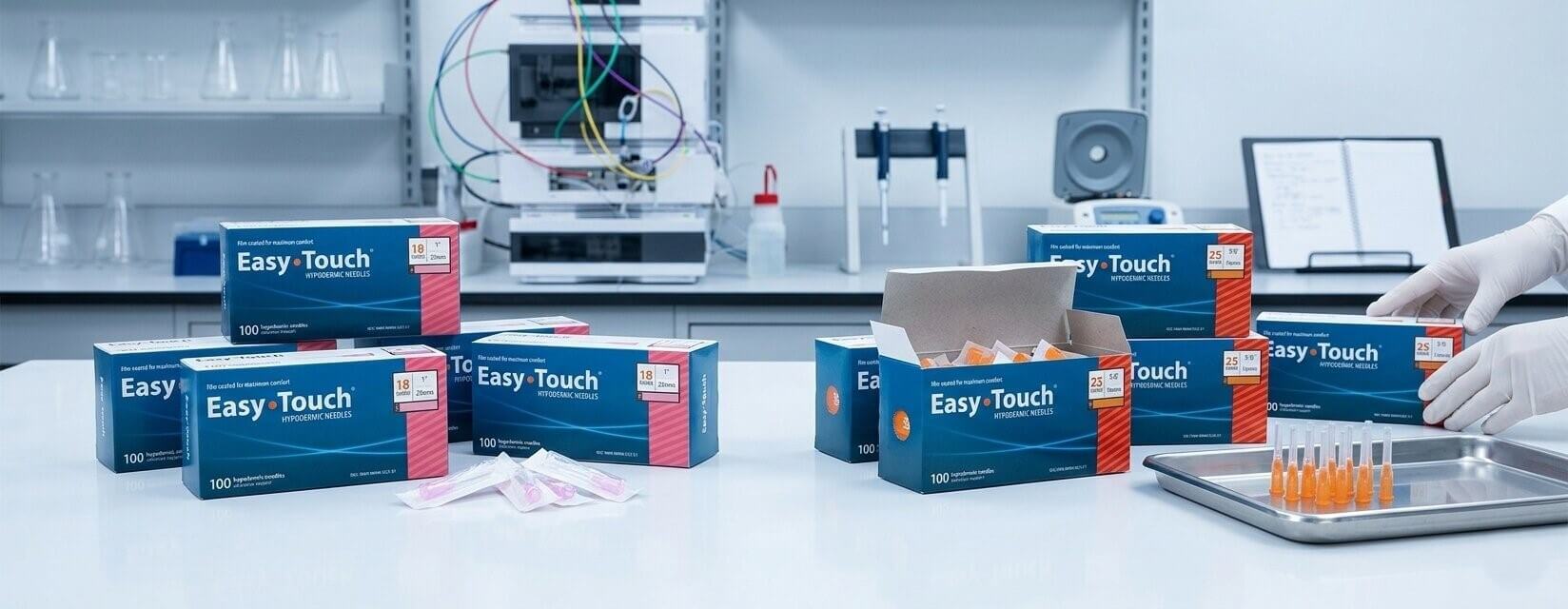
Larger gauges allow smoother flow of thick medications and fluids. Common options include 18g to 27g needles for different clinical needs. 18 gauge needles work well for drawing viscous medications efficiently. Hospitals use wider needles when resistance would slow medication preparation. Veterinary clinics also prefer larger gauges for animal treatments requiring thick solutions.
Smaller gauges minimize pain when injecting sensitive patients. Insulin treatment, out-patient medical operations, and vaccinations are supported by thin needles. Patients experience less pain when clinicians choose finer needle options. These benefits improve treatment acceptance and long-term compliance.
Length Variations (1", 1.5")
Needle length directly affects how medication reaches targeted tissue layers. Shorter needles suit shallow muscle or subcutaneous injection sites. One-inch needles work well for adult deltoid muscle injections. Longer needles ensure medication reaches deeper muscle tissue effectively.
Clinicians choose length based on body composition and injection location. Proper needle length selection prevents under-delivery or tissue irritation. Veterinary treatments often require longer needles for large animals. These variations ensure medication absorption remains consistent and reliable.
Drawing Medication from Vials
Medication preparation plays a critical role in injection safety. Professionals often use larger needles when drawing medication from vials. Wider gauges reduce clogging and foam formation during withdrawal. Many clinicians prefer separate needles for drawing and injecting. This approach preserves sharpness and improves injection comfort.
Using separate needles also supports better sterility during preparation. Clinics maintain supplies sourced from reliable injection equipment providers. Access to safe vials minimizes the possibilities of contamination in healthcare facilities. Sterile handling is one of the priorities of hospitals and clinics.
Intramuscular Injection Needle Selection
Intramuscular injections involve the penetration of medication deep into muscle tissue. This method is usually needed when dealing with vaccines, hormones, and long-acting drugs. Selecting appropriate intramuscular injection needles enhances efficacy and safety.
Deltoid vs Gluteal
The deltoid muscle suits smaller dose injections and vaccinations. Clinicians select shorter needles for shoulder muscle injections. Correct deltoid injection needle size reduces discomfort and tissue injury.
Gluteal injections require longer needles for deeper muscle penetration. Emergency medicine often relies on gluteal injections for fast absorption. Veterinary professionals also use gluteal sites for large animal care.
Medication Viscosity
Medication thickness determines appropriate gauge selection. Thicker drugs require wider needles for smooth delivery. Depot medications and biologics often need larger gauges. Thin medications flow easily through finer needle options.
Insulin and vaccines commonly use smaller, thinner needles. Diabetes care increasingly favors compact injection devices. Patient-friendly tools improve daily treatment adherence significantly.
Veterinary Needle Size Charts
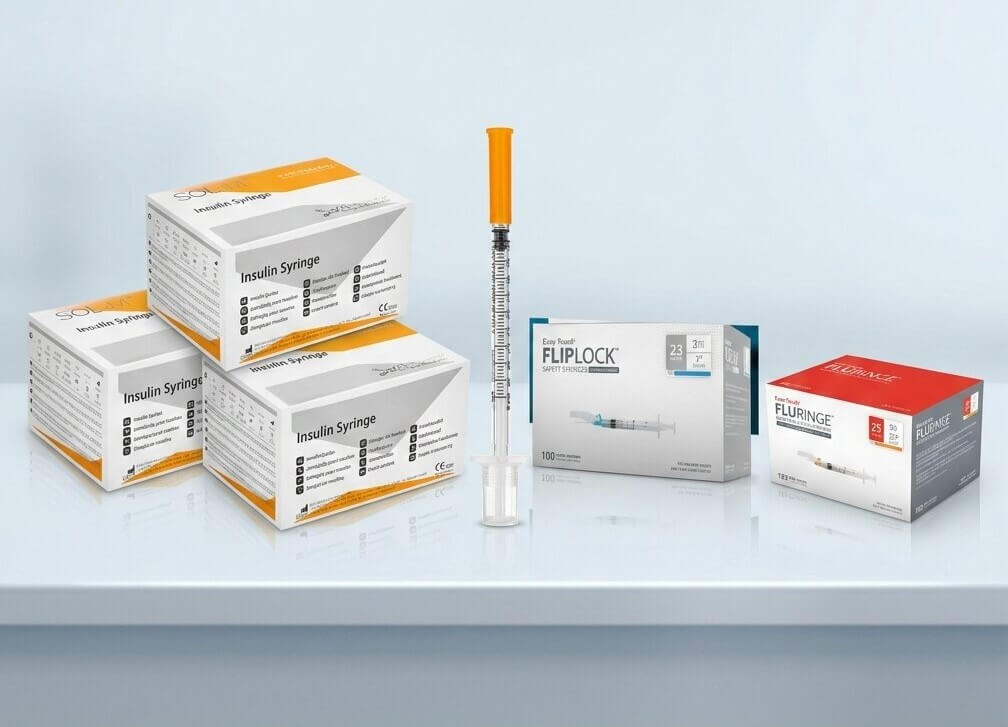
Veterinary professionals rely on reference guides for accurate dosing. A veterinary needle chart considers animal size and medication type. Small animals need fine needles similar to pediatric human care. Cats and dogs require precision to reduce stress during injections.
Larger animals demand stronger needles with increased length. Cattle and horses require deep tissue penetration for effective treatment. Veterinary clinics stock varied sizes to support diverse procedures. The US veterinary industry continues expanding with preventive care growth. Clinics maintain compatible syringes and needles for routine treatments.
Buying Needles Without Syringes
Some professionals prefer flexible purchasing options for clinical efficiency. Many facilities choose to buy needles without a syringe. This allows pairing needles with reusable or specialized devices. Hospitals often manage inventory by separating components. This method reduces waste and supports cost control strategies.
Veterinary clinics also benefit from needle-only purchasing flexibility. US regulations allow controlled purchase of injection supplies. Compliance with state laws remains essential for safe distribution.
Conclusion
Correct needle selection improves treatment safety across human and animal healthcare. Differences between medical and veterinary applications require careful consideration. Growing demand continues shaping the US injection devices market. Precision, comfort, and safety remain priorities for injection technology.
Choosing the appropriate needle helps to achieve positive outcomes in both patients and animals.
Being updated with the practices of hypodermic needles enhance everyday clinical decisions. The knowledge of the size of the needles helps to ensure safer injections and enhance comfort among patients. Familiarity with medical vs veterinary needles also determines a proper delivery of treatment. Reviewing reliable guidance helps professionals select proper tools confidently. Continuous learning strengthens safety, efficiency, and care quality across medical environments.