
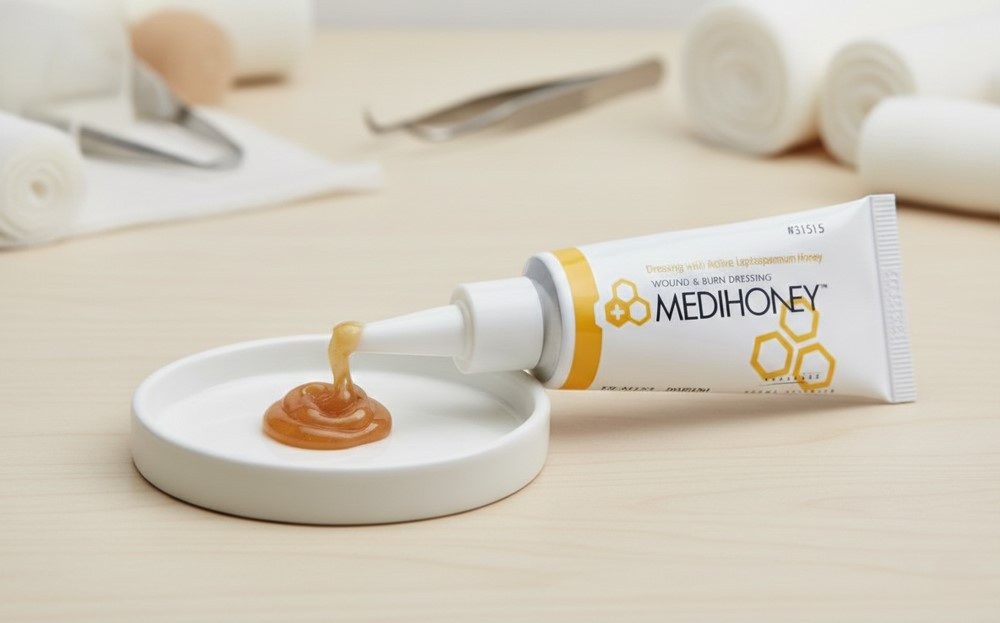
How Medihoney Helps in Chronic Wound Care
Feb 4th 2026
Wounds that stay open can cause fear and daily pain. Many patients feel tired from slow healing wounds. Doctors see these wounds during daily patient care work. Long lasting wounds place pressure on health teams daily. Many patients face long healing times with repeated infections. Families also feel stress during long care plans.
In the United States, over 6.5 million patients living with non-healing or slow-healing wounds suffer chronic wounds yearly. These wounds often return without proper daily wound treatment. Poor blood flow can slow skin repair in many cases. People with diabetes often face long wound healing times. The persons with low movement face pressure wounds on skin. Older adults also face slow wound healing problems.
Modern care now focuses on better wound treatment methods. Clinics now use new dressings for safer healing results. Advanced dressings help keep wounds clean and moist. Many doctors now choose Medihoney for wound treatment support. This product supports chronic wound care in clinical practice. It works as a natural honey wound dressing option.
Doctors often include it within advanced wound care plans. This option uses safe and tested medical-grade honey sources. This method helps improve healing outcomes across many patients.
Understanding Medical-Grade Honey
Medical honey differs from kitchen honey in many important ways. It passes strict cleaning steps before clinical use approval. This process removes germs that may harm fragile wounds. Health teams use special testing for safe medical honey. The honey receives heat treatment to remove harmful spores. This treatment keeps healing properties active and safe.
Medical honey holds steady antibacterial activity during wound treatment. This property helps slow harmful germ growth on skin. Low water activity limits bacteria growth within wound spaces. The natural sugar content draws fluid from swollen tissue. This effect helps clean the wound surface gently. The wound bed stays moist during healing progress.
Doctors often select Medihoney for infected wound treatment needs. This product supports steady moisture balance in open wounds. It fits many advanced wound care treatment plans today. This form of medical-grade honey supports natural tissue repair. It reduces smell caused by infected wound drainage and supports soft removal of dead wound tissue safely.
Clinics rely on honey wound dressing benefits during slow healing. Nurses apply dressings during routine wound treatment visits. Patients often report improved comfort during healing phases.
Types of Wounds Treated by Medihoney
Many wound types need careful long term healing support. Doctors choose dressings based on wound depth and drainage. Each wound type needs steady moisture and germ control.
Diabetic Foot Ulcers
Diabetic wounds often heal slowly due to poor blood flow. Nerve damage also delays pain signals from wounds. Doctors apply Medihoney to support clean healing conditions.
This honey wound dressing helps manage wound fluid levels. It supports steady healing during long treatment periods. It fits many chronic wound care plans for diabetes.
Pressure Ulcers Bedsores
Pressure wounds form when skin faces long pressure points. Low movement increases skin breakdown risk over time. Care teams use medical-grade honey to reduce wound odor.
This product supports tissue growth during slow healing stages. It helps manage fluid without harming healthy skin. Doctors include this within advanced wound care routines.
Venous and Arterial Leg Ulcers
Poor blood flow causes leg wounds to heal slowly. Swelling makes healing harder for many patients. Doctors apply Medihoney to reduce surface bacteria levels.
This honey wound dressing supports moist wound healing. It works alongside compression during leg ulcer treatment. Clinics use it during chronic wound care programs.
Application Steps for Gel and Paste
Proper wound treatment begins with gentle wound cleaning. Nurses wash hands before touching wound surfaces. Clean tools help reduce infection risks during care.
Preparing the Wound for Treatment
Clinicians clean wounds using safe sterile cleaning solutions. This step removes dirt and loose tissue gently. Clean wounds help treatment work better over time.
Applying Medihoney Gel or Paste
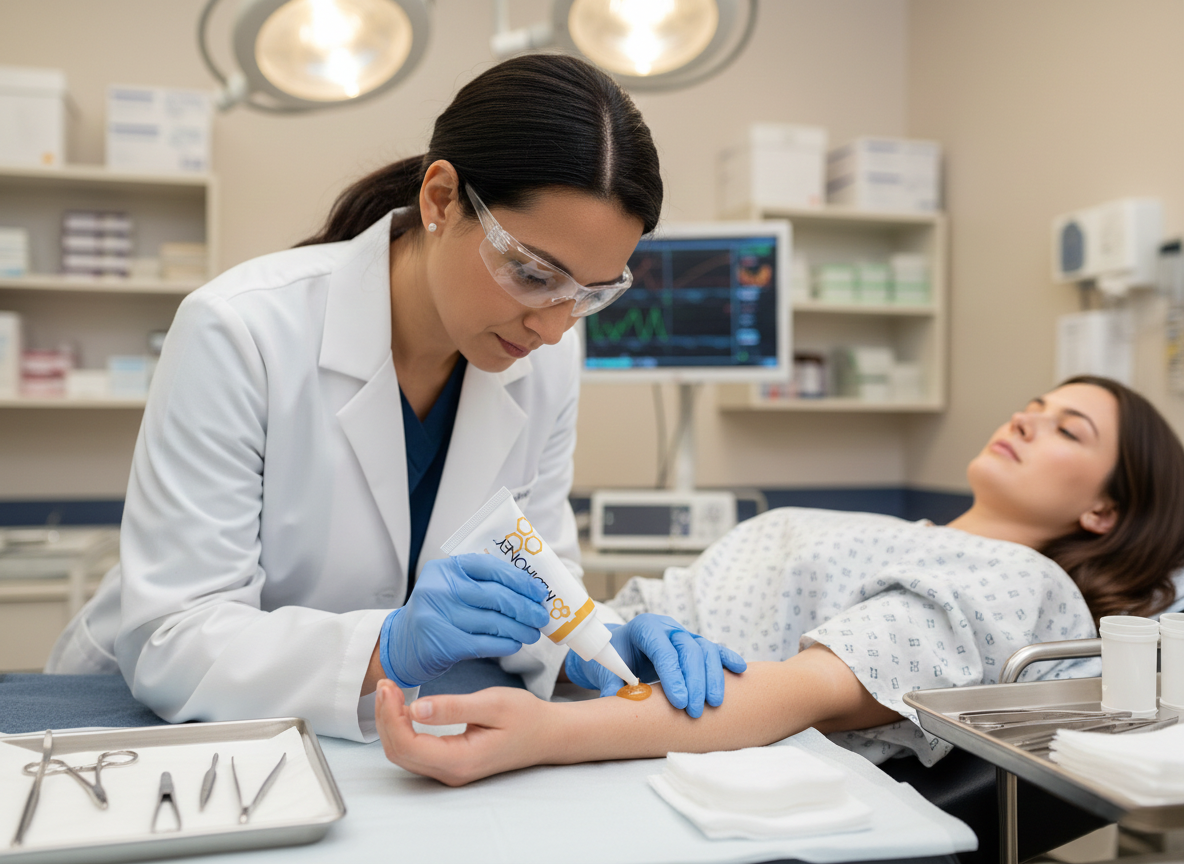
Doctors choose gel for shallow wounds with light drainage. They select paste for deeper wounds needing thicker coverage. Clinicians spread Medihoney evenly across wound surfaces.
This medical-grade honey should cover the full wound bed. The product supports steady moisture during healing time. It fits advanced wound care use in many clinics.
Post Application Care and Dressing
Care teams place clean dressings over treated wounds. Dressings hold honey in place during daily movement. Nurses change dressings based on wound drainage levels.
This honey wound dressing works best with regular checks. Doctors monitor wounds during chronic wound care visits. This method supports safer healing results for patients.
Where to Buy Medihoney
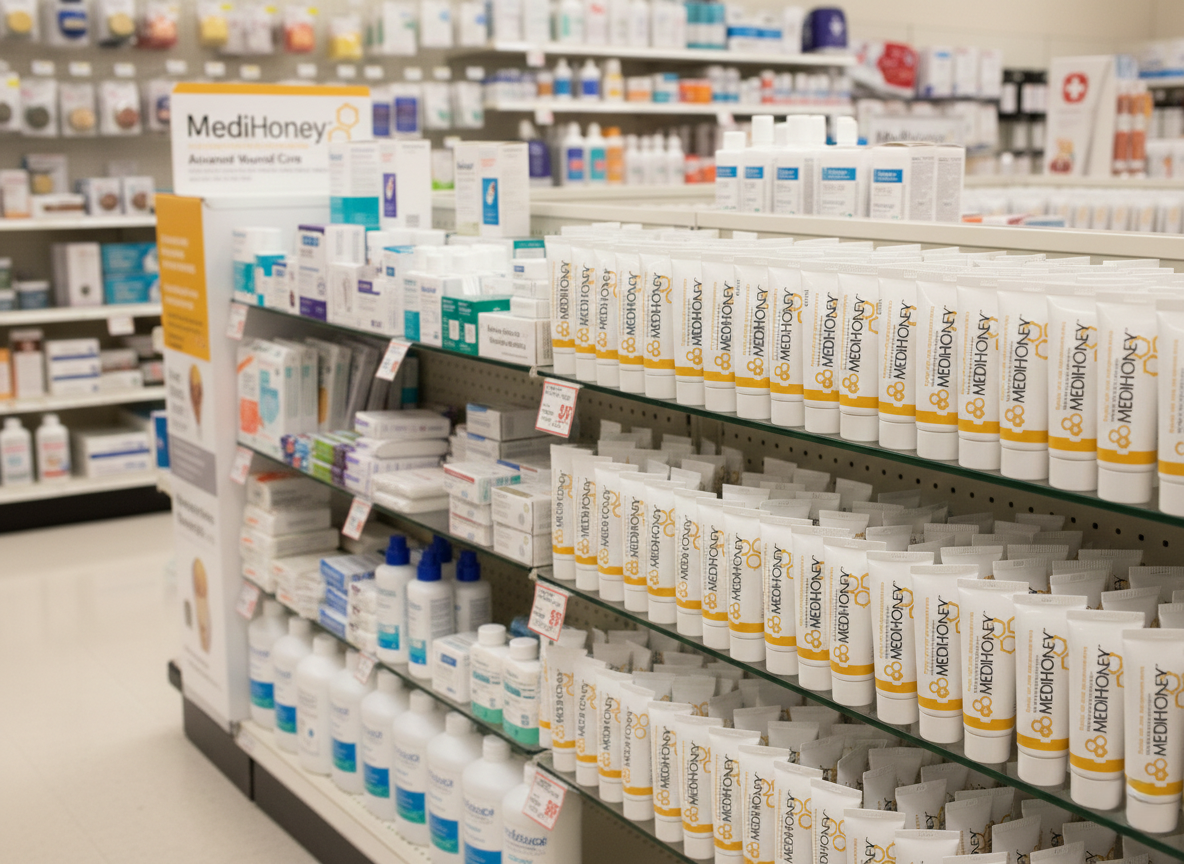
Clinics often source medical products from verified suppliers. Trusted suppliers ensure product safety and storage quality. Quality supply supports better patient healing outcomes. Medical teams purchase Medihoney from healthcare distributors like Arpovo Health. Such suppliers store products under proper safety conditions. This ensures stable quality during transport and storage.
Hospitals often stock medical-grade honey for wound care use. Clinics keep gel and paste forms for wound types. This supports flexible advanced wound care treatment choices. Suppliers offer guidance for correct product handling. This helps maintain product safety before wound application. Staff follow proper storage instructions during daily use.
Clinics choose honey wound dressing options based on wound needs. Care teams confirm expiry dates before use. This supports safe chronic wound care delivery daily.
Conclusion
Chronic wounds place heavy stress on patients and families. Slow healing affects daily comfort and movement ability. Health teams face daily challenges managing wound treatment. Modern care now relies on proven wound healing methods. Doctors select treatments based on safety and healing support. New dressings help reduce infection risks over time.
Medihoney supports safer healing in many wound cases. It works within advanced wound care treatment plans. This medical-grade honey supports clean wound environments. Clinics use this honey wound dressing during long treatments. It supports moisture balance during healing stages. Doctors trust this method during chronic wound care routines.
Patients benefit from improved comfort and cleaner wounds. Families notice better healing progress during care visits. Care teams report steadier healing outcomes with proper use.
Learning how advanced wound-care products work improves daily care quality. Better product knowledge supports safer patient healing outcomes. Caregivers should review wound needs before selecting treatments.
FAQs
What is Medihoney, and how does it work for chronic wound care?
It is a medical-grade honey product designed to reduce bacterial load, manage moisture, and support natural healing processes in chronic wounds.
Which types of wounds can be treated effectively with Medihoney?
It is commonly used for diabetic foot ulcers, pressure ulcers, venous leg ulcers, and other slow-healing wounds.
How should Medihoney gel or paste be applied for best results?
Application involves wound cleansing, direct placement of gel or paste, and secure coverage with an appropriate secondary dressing.
Where can I buy authentic medical-grade Medihoney for wound dressing?
Medical-grade options are typically available through trusted healthcare suppliers like Arpovo Health specializing in wound-care products and advanced dressings.