
Continuous Glucose Monitor Sensors vs Test Strips
Mar 30th 2026
Blood sugar control matters daily for people living with diabetes today. Many tools exist, but choosing the right one feels confusing sometimes. This guide explains continuous glucose monitor vs test strips in simple words.
Both methods check glucose levels, but they always work very differently. CGM sensors give real-time updates, while strips show single readings only. Knowing both systems helps patients pick tools for better glucose control.
In the United States, diabetes cases continue to rise across all age groups. The Centers for Disease Control reports over thirty seven million cases today. This number increases demand for accurate and easy monitoring tools daily.
The CGM market may reach eight to ten billion dollars soon. This growth comes from rising demand for real-time monitoring devices globally. Still, test strips remain common for many patients without advanced devices.
1- How CGM Sensors Work
CGM devices use sensors under the skin to track glucose levels continuously. They measure glucose using interstitial fluid monitoring instead of direct blood sampling. This method provides ongoing updates without repeated finger pricking daily.
Interstitial Fluid Monitoring: How the sensor reads glucose under the skin
CGM systems measure glucose inside the fluid surrounding body cells continuously. A tiny sensor filament stays under the skin and collects glucose readings regularly. This data goes to a receiver or smartphone device for viewing.
Readings update every few minutes, giving frequent glucose level insights daily. Because readings are indirect, slight delays may occur sometimes during changes. Clinical studies show CGM improves awareness and reduces dangerous low events.
24/7 Data Collection, continuous alerts vs single readings
CGM devices track glucose levels day and night without stopping anytime. They send alerts when glucose becomes too high or dangerously low. These alerts help users take quick action and avoid serious complications.
Trend graphs show patterns, helping users understand glucose changes over time. Doctors use this data to improve treatment plans and insulin dosing. Many guidelines recommend CGM for patients using intensive insulin therapy daily.
2- How Glucose Test Strips Work
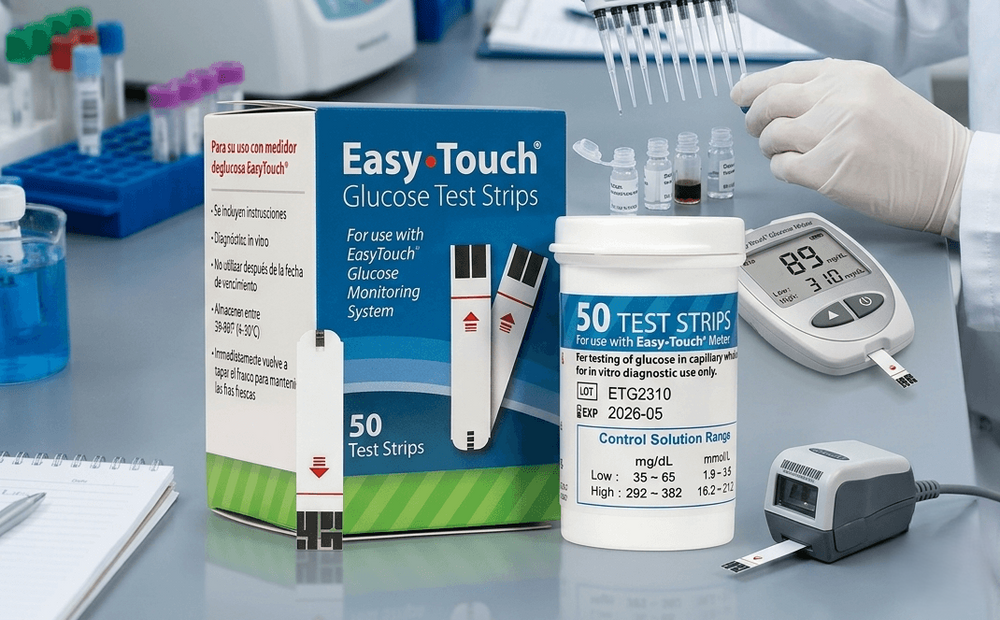
Test strips work with meters to measure glucose from blood samples directly. They provide quick results and remain a trusted method in diabetes care. This system is simple, affordable, and widely used across many patients.
Fingerstick Blood Sample Process
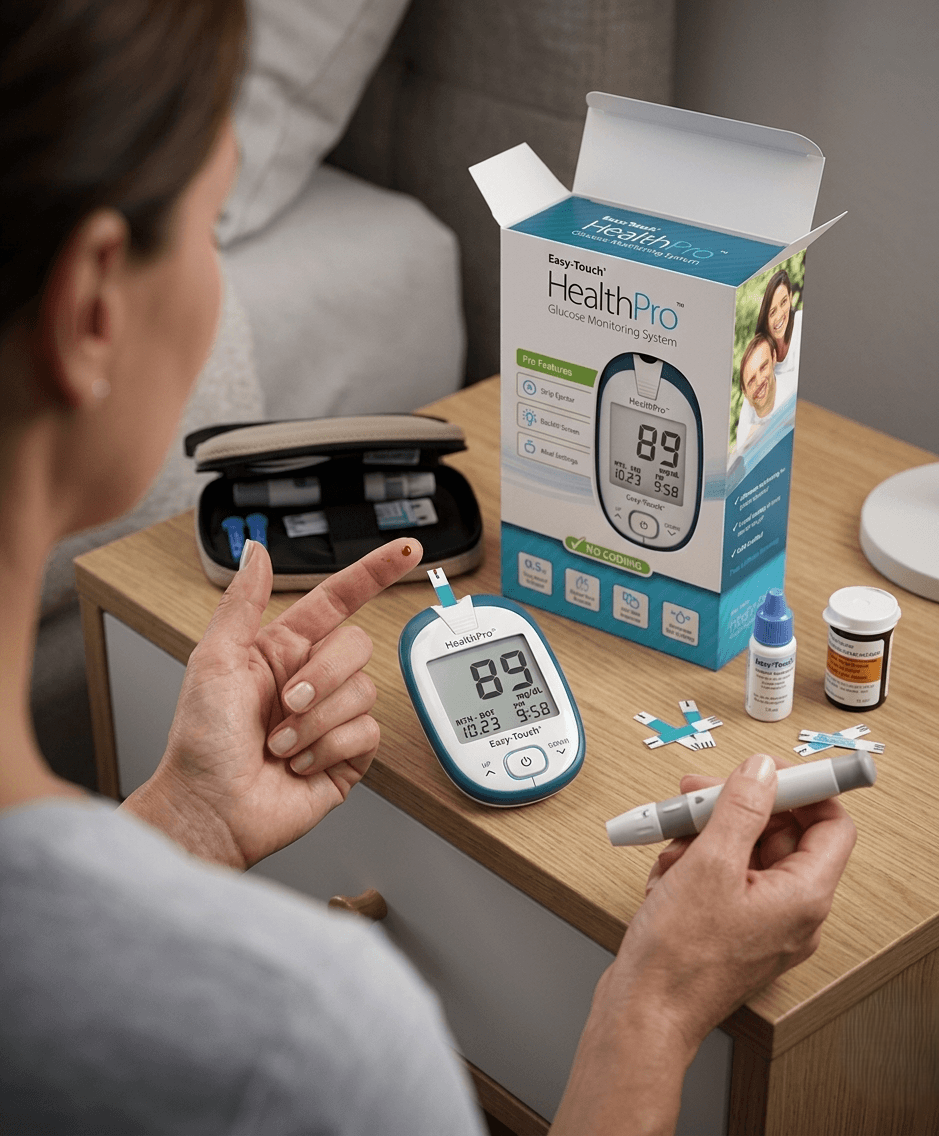
A small lancet pricks the finger to collect a blood drop. The blood drop is placed carefully on a clean test strip. The meter reads glucose levels and shows results within seconds.
This method directly measures blood glucose, making it very reliable. Doctors still consider it a standard reference for glucose measurement today.
When Test Strips Are More Reliable
Test strips give direct readings from blood without any delay issues. They help confirm CGM values when readings appear confusing or incorrect. They are useful during fast glucose changes, such as after meals or exercise.
Regulators say meters remain necessary for confirmation in some situations. This keeps patients safe when technology may show uncertain results sometimes.
3- Test Strip Cost vs CGM Cost
Cost plays a big role when choosing between glucose monitoring methods today. Understanding the CGM sensor cost vs. the test strip cost helps patients decide wisely. Each method has different expenses over time depending on usage needs.
Upfront vs Ongoing Expenses
CGM systems need sensors, transmitters, and compatible display devices for use. Test strips need a meter, strips, and lancets for daily testing. CGM setups usually cost more at the beginning compared to strips.
These devices offer advanced features but require a higher initial investment sometimes. Test strip systems remain simple and cheaper for starting diabetes management.
Long-Term Cost Comparison
CGM users replace sensors every seven to fourteen days regularly. This creates ongoing costs that add up over months and years. Test strip users pay per test, depending on testing frequency, daily.
Studies show CGM may become cost-effective for insulin-dependent patients eventually. Better control reduces complications, lowering healthcare costs over time significantly. Still, strips remain affordable for users needing less frequent monitoring.
4- Fingerstick Calibration for CGMs
Even advanced CGMs sometimes need manual checks for better accuracy daily. This process is called fingerstick calibration for CGM in medical practice. It ensures readings stay reliable during different body and activity conditions.
When Confirmation Is Needed
Rapid glucose changes may cause differences between CGM and blood readings. Symptoms may not match CGM values, requiring immediate confirmation checks sometimes. Devices may also ask users to calibrate using a fingerstick test.
These moments show why traditional testing methods still remain important today. They help maintain safety and prevent incorrect treatment decisions daily.
Maintaining Strip Supply Alongside CGM
Many users always keep test strips as a backup for unexpected situations. This supports hybrid glucose monitoring for better accuracy and safety daily. Doctors often suggest using both tools together for the best outcomes.
This approach combines continuous tracking with direct confirmation when needed. It improves confidence and supports smarter diabetes management decisions daily.
5- Insurance Coverage Differences
Insurance support affects how easily patients can access monitoring tools today. Understanding CGM insurance coverage helps patients plan their treatment costs better. Coverage rules vary based on condition, treatment type, and medical need.
What Medicare and Medicaid Cover
Medicare covers CGMs for many patients using insulin therapy regularly. Test strips are widely covered under durable medical equipment benefits plans. Coverage depends on diagnosis, prescription, and doctor recommendations provided.
Eligibility rules have expanded to improve diabetes care outcomes recently. More patients now qualify for advanced monitoring tools than before.
Out-of-Pocket Scenarios
CGMs can cost more without insurance support or reimbursement coverage available. Test strips usually remain cheaper and easier to purchase independently. Patients often choose based on budget and medical requirements together.
Some prefer strips due to lower costs and simpler usage daily. Others invest in CGM for convenience and continuous glucose insights.
6- Hybrid Monitoring Approach
Many patients benefit from using both monitoring tools together daily. This method is called hybrid glucose monitoring in modern diabetes care. It balances accuracy with continuous tracking for better health outcomes.
Who Benefits From Using Both
Insulin-dependent patients often need both tools for better glucose control. People with frequent glucose swings also benefit from combined monitoring methods. Patients needing high accuracy use strips to confirm CGM readings regularly.
Clinical data show that the combined use improves overall glucose management results. This approach reduces risks and supports better treatment decisions daily.
Building Your Monitoring Routine
Use CGM for tracking trends and continuous glucose updates daily. Use test strips for confirmation during uncertain or rapid glucose changes. Adjust testing frequency based on the doctor's advice and treatment plan.
A clear routine helps maintain stable glucose levels over long periods. It also supports safer and more confident diabetes management daily.
Conclusion
Choosing between CGM sensors and strips depends on needs and budget. The continuous glucose monitor vs test strips choice varies for every patient. CGMs give continuous data, while strips offer precise single readings instantly.
Many patients see better results using both tools together for control. This balanced approach improves accuracy, safety, and long-term health outcomes. Understanding both systems helps build a strong and reliable monitoring routine.
Shop Arpovo today for test strips, lancets, and glucose care supplies!