
Can You Drink Water for Injection? The Answer & Why
Jan 5th 2026
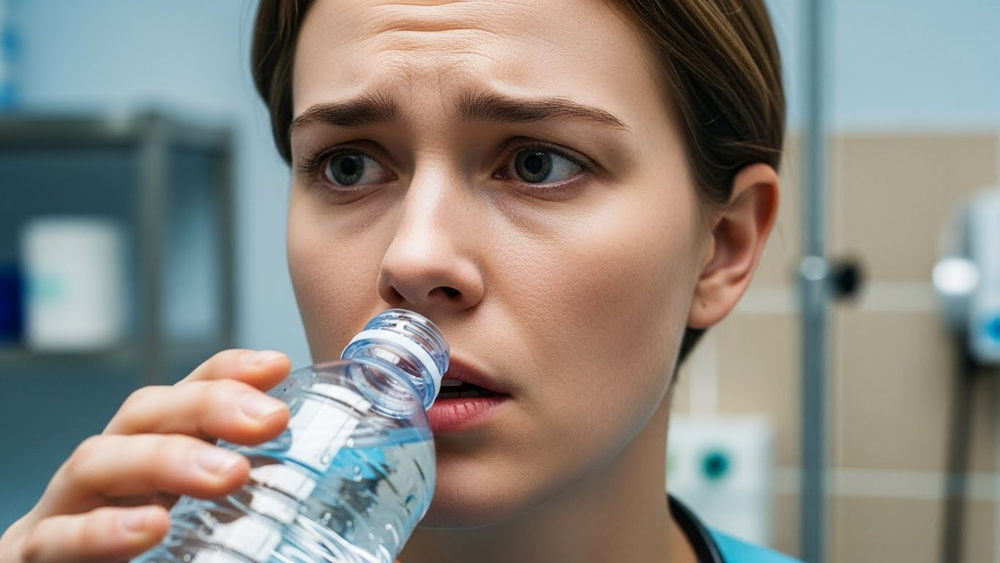
Many people feel curious when they see medical water in clinics. It looks clear and safe like normal bottled water used every day. People ask if drinking it is safe or healthy for humans. Some individuals even search if you can drink water for injection when they become confused. In medical environments across the US, this liquid serves a serious purpose. It is made under strict rules, but it still differs from drinking water. Understanding why doctors created it helps people avoid harmful use. Safe health choices require clear knowledge, not quick guesses based only on appearance.
What is Water for Injection (WFI)?
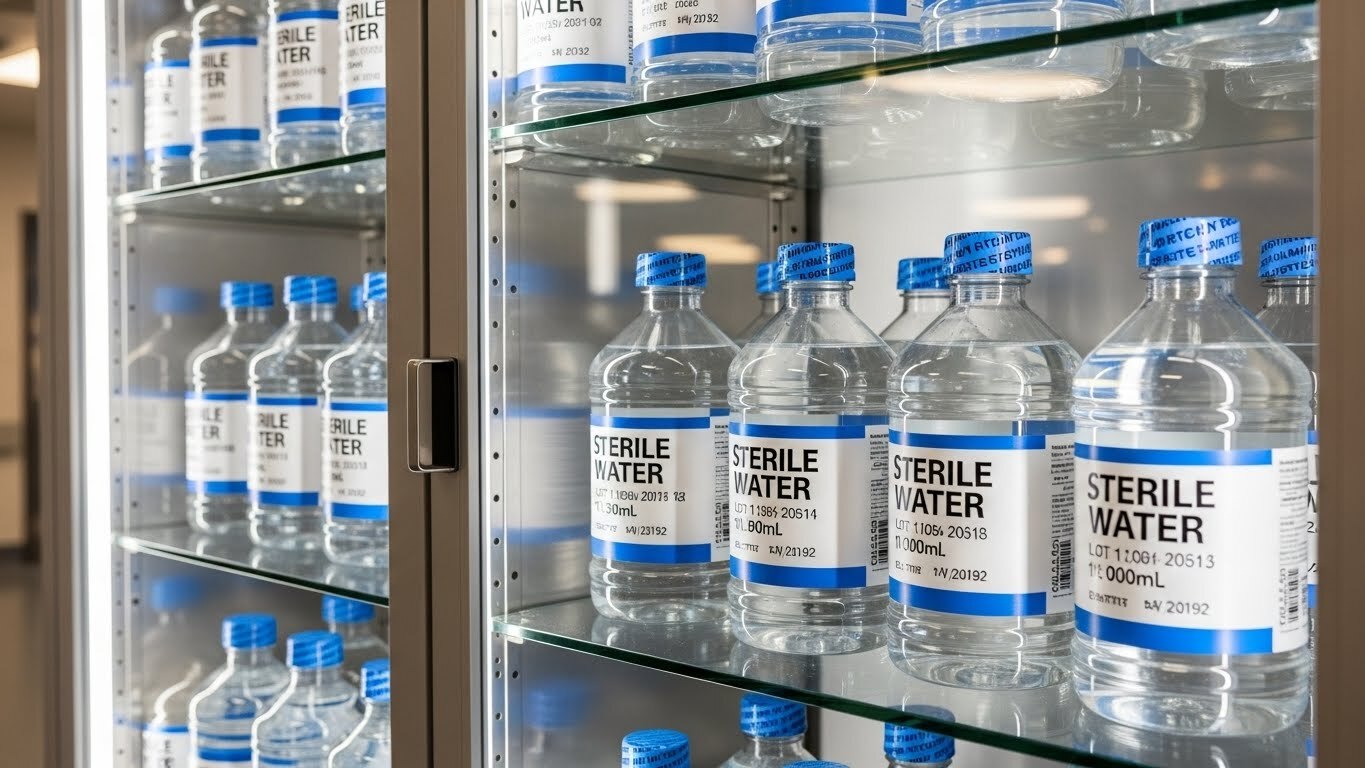
Water for Injection is a very pure medical liquid for clinical preparation. Doctors use it when they need completely clean fluid with no contamination. It supports safe medicine mixing before doctors give treatment to patients. Many healthcare facilities depend on it for sensitive medical work daily. People sometimes think it acts like drinking water, but that is incorrect thinking. It belongs to a medical group of solutions used carefully by professionals only. Clinics handle it like other professional healthcare liquids meant for very controlled use. Understanding what sterile water is helps reduce confusion among normal users everywhere.
This water is usually classified in carefully prepared sterile medical liquid. Hospitals in the US rely on it when handling injections safely. Companies prepare it under very strict rules to protect patient health. It stays free from harmful particles because doctors inject it into the body. Every production step follows serious standards so no bacteria remain inside it. The environment stays controlled to avoid contamination risks during its preparation. That care ensures safe results when healthcare workers use it in treatment.
The High Level of Purity and Sterility
This medical liquid passes through careful distillation systems that remove harmful substances completely. Its preparation removes bacteria, endotoxins, and dissolved solids to protect patients. United States Pharmacopeia rules demand very strict purity levels before approval. Experts expect this water to remain almost completely free from impurities. That level of sterility protects patients because doctors inject it directly. It never works like regular hydration water used for drinking purposes. Many facilities trust sterile water for injection because of this strong safety control. Pure quality matters greatly when water directly enters veins or tissues.
Why It’s Not Intended for Drinking
People might think cleaner water always supports drinking, but that idea fails. Even though it looks safer, it lacks important properties needed for hydration. Human hydration depends not only on water purity but also on minerals. US health professionals explain that proper mineral balance supports every body function. Normal drinking water contains minerals that help organs maintain balance daily. This medical liquid removes everything, including helpful minerals needed for hydration. Because of that, drinking it offers no health benefits for the body.
Lack of Minerals (Hypotonicity)
Medical professionals describe this liquid as hypotonic because it lacks electrolytes completely. Normal drinking fluids should contain minerals like sodium, potassium, and magnesium. Without minerals, water cannot support body hydration correctly or safely. When people drink large amounts of hypotonic fluids, their electrolyte balance suffers. That imbalance may create headaches, dizziness, weakness, or nausea according to research. Doctors therefore discourage replacing hydration water with medical fluids meant for injections. Hydration drinks and water for reconstitution always serve very different health purposes. Understanding this difference protects health and prevents unnecessary medical risks everywhere.
Oral hydration products in the US include controlled minerals for body balance. Those products safely hydrate because they suit the body's needs and chemistry. Sterile water for injection does not match the needs of natural body hydration. Doctors designed it to mix medicine, not be absorbed through the stomach. That reason alone explains why medical experts warn against drinking it. Healthy hydration always requires fluids made especially for safe oral drinking use.
What Happens if You Drink It?
A very small accidental sip usually does not cause serious harm immediately. Medical experts, however, advise avoiding it as a drinking habit entirely. The absence of electrolytes prevents it from helping hydration effectively or safely. Over time, repeated drinking may disturb electrolyte balance inside the human body. When an imbalance happens, the body reacts with discomfort and weakness symptoms. That is why US healthcare always advises against drinking it regularly.
For safer comparison, certain hospital fluids match body electrolytes to support health. Those isotonic medical solutions mirror normal body chemistry to protect patients. Hospitals use those in controlled ways for specific patient needs. That comparison shows again why this injection liquid remains unsuitable for drinking. Drinking water has a totally different function from clinical liquid applications.
The Intended Purpose: Parenteral Use
This medical liquid exists for one strong reason in healthcare. It supports medication delivery safely without adding impurities to the body. Doctors use it to dissolve powdered medicines to prepare injections correctly. It also helps dilute strong medication before doctors give the patient treatment. In emergency rooms and surgical environments, it plays an important supporting role. Healthcare professionals depend on it for treatment accuracy and patient safety.
Many brands prepare this medical water under licensed systems in the US. Hospitals often trust respected preparations like Hospira sterile water for injection because of reliability. These medical products stay within healthcare environments under controlled handling rules. Every medical professional receives training before using it for treatment safely. It never belongs in daily household drinking use or casual hydration. Medical intention remains strictly focused on patient treatment requirements and safety.
This product usually appears near medications, syringes, and intravenous therapy supplies. Every environment handling it keeps strong hygiene practices to protect sterility. Exposure to open air can destroy purity and cause contamination quickly. That is why healthcare workers open bottles only when needed. After opening, the medical standards guide proper disposal to avoid risks completely. People therefore should not treat it like normal bottled drinking water.
Difference from Normal Drinking Water
Drinking water supports daily life and natural body hydration very effectively. It contains minerals that help regulate muscles, nerves, and basic body function. Every hydration bottle exists to refresh and support human health safely. Meanwhile, sterile water for injection supports doctors when preparing medicines for patients. These two products serve completely different purposes in healthcare and life. Confusing them causes misuse, which may harm health rather than help it.
Water that people drink daily never requires the same extreme sterility. Drinking protection involves safety standards to stop bacteria and chemical harm. Medical water must remain even purer because doctors place it inside veins. That medical use demands a very different level of preparation and control.
Safety Guidance from Healthcare Practices
Healthcare systems across the US advise keeping this liquid away from children. It should remain under medical handling and professional storage always. People should never treat it like an emergency hydration fluid at any time. If someone accidentally drinks a small amount, they usually remain fine. However, uncomfortable symptoms should always receive professional medical advice when possible.
Doctors and pharmacists always instruct patients about correct medical liquid usage. They explain what belongs to injections and what belongs to drinking. Listening to that advice protects safety and prevents harmful confusion for everyone. Responsible handling supports health, trust, and safe medical use always.
Relationship with Other Medical Preparation Products
Many hospitals use water for reconstitution when preparing powdered medicines daily. It helps dissolve medication before doctors deliver it into the bloodstream. Sometimes healthcare workers also use saline or balanced medical fluids. Those have electrolytes that match the body, unlike pure sterile water. Every product type has a targeted purpose depending on medical need. Professionals carefully choose each product to protect safety and correct treatment.
Understanding what sterile water is helps people respect its medical role clearly. Respecting that purpose prevents misuse and confusion among normal individuals. Healthcare environments create these products for controlled and professional applications only.
Why People Get Confused
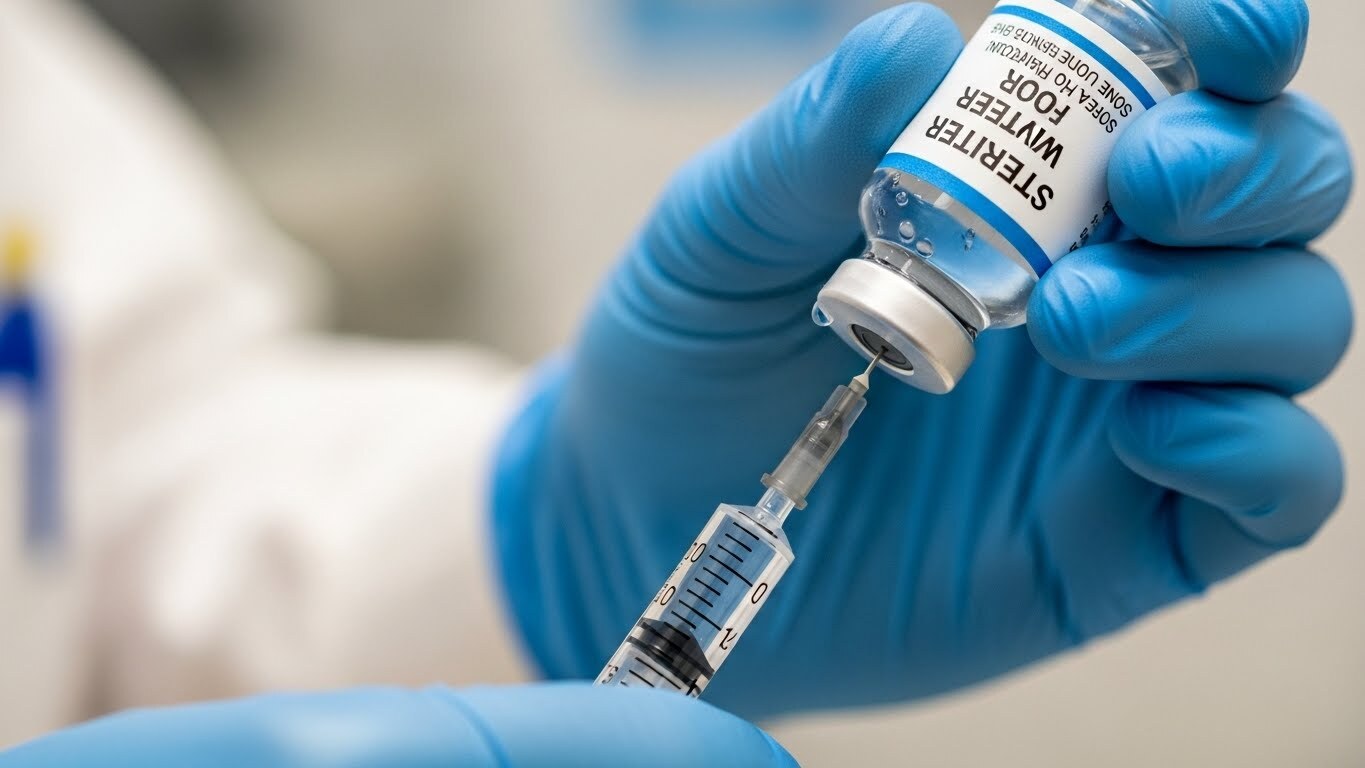
People see clear liquid in bottles and assume it is simple water. Packaging sometimes looks similar to medical saline or hydration drinks. Because of that, confusion becomes very common among people without training. That is why health education remains important for public awareness everywhere. When people ask if you can drink water for injection, proper education provides the correct answer. Knowledge keeps daily life safer and prevents accidental misuse at home.
Conclusion
This medical water may appear clean, fresh, and even safer than bottled water. However, purity alone does not make it suitable for drinking or hydration. It lacks minerals needed for healthy fluid balance in the human body. Drinking it regularly may disturb electrolytes instead of supporting health and wellness. In the US healthcare system, professionals designed it only for safe medicine preparation. Its real role supports injections, drug dilution, and reliable hospital treatment. Drinking water should always come from safe hydration sources created for daily human use.
Understanding medical products helps people avoid mistakes with health supplies. Knowing the difference between treatment liquids and drinking liquids supports safe decisions. Always follow professional healthcare guidance when handling medical items for safety.