
Bulk Buying Syringes: How Many to Order
Mar 24th 2026
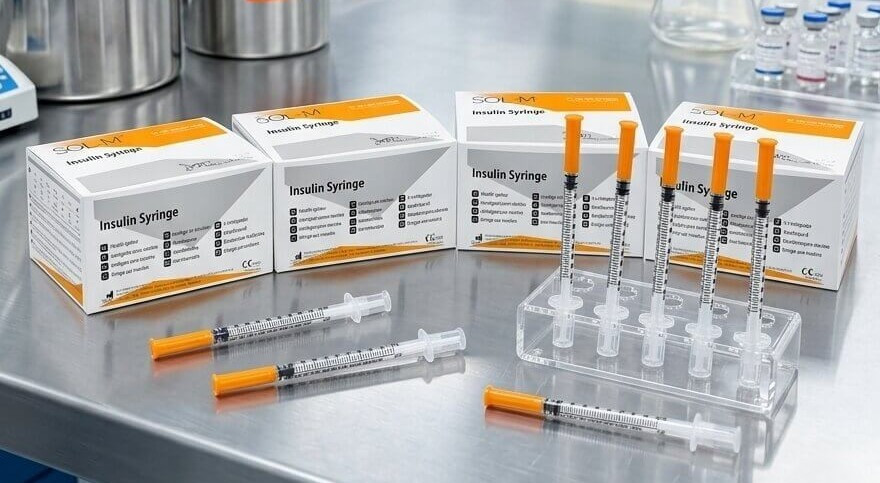
Healthcare injections happen every minute across hospitals, clinics, laboratories, and home care services. Growing treatment demand makes bulk buying syringes an essential supply strategy today. Medical injections remain one of the most frequently performed healthcare procedures globally.
Industry research reports more than sixteen billion injections administered worldwide every year. This enormous demand creates a constant need for reliable sterile disposable syringes. Healthcare administrators must carefully estimate how many syringes to order regularly.
The United States disposable syringes market reached approximately $2.55 billion during 2023. Demand continues rising as healthcare systems treat chronic diseases and vaccination campaigns expand. A structured purchasing plan helps organizations maintain safe inventory without waste.
Individual Packaging vs Bulk Boxes
Medical syringes normally arrive sealed individually inside larger supply cartons. Healthcare teams evaluate individual vs bulk syringe packaging before placing purchase orders. Clinics sometimes prefer smaller packs that allow flexible daily usage.
Hospitals performing hundreds of injections daily often choose larger supply cartons. These cartons support efficient stock management and reduce frequent reordering tasks. High volume facilities often buy syringes in bulk online for consistent availability.
Disposable syringes represent nearly eighty percent of total syringe consumption worldwide. This shift reflects stronger safety policies and infection prevention practices.
Healthcare providers can review trusted options when they shop syringes with needles.
10-Count vs 100-Count
Smaller packaging units serve clinics with moderate injection activity levels. Laboratories and specialty treatment centers often select smaller sterile packs. These packs provide flexibility during routine medical procedures.
Large hospitals usually rely on bulk syringe boxes with 100 count packaging. These cartons support thousands of injections performed each month. Healthcare institutions represent about forty eight to fifty three percent consumption.
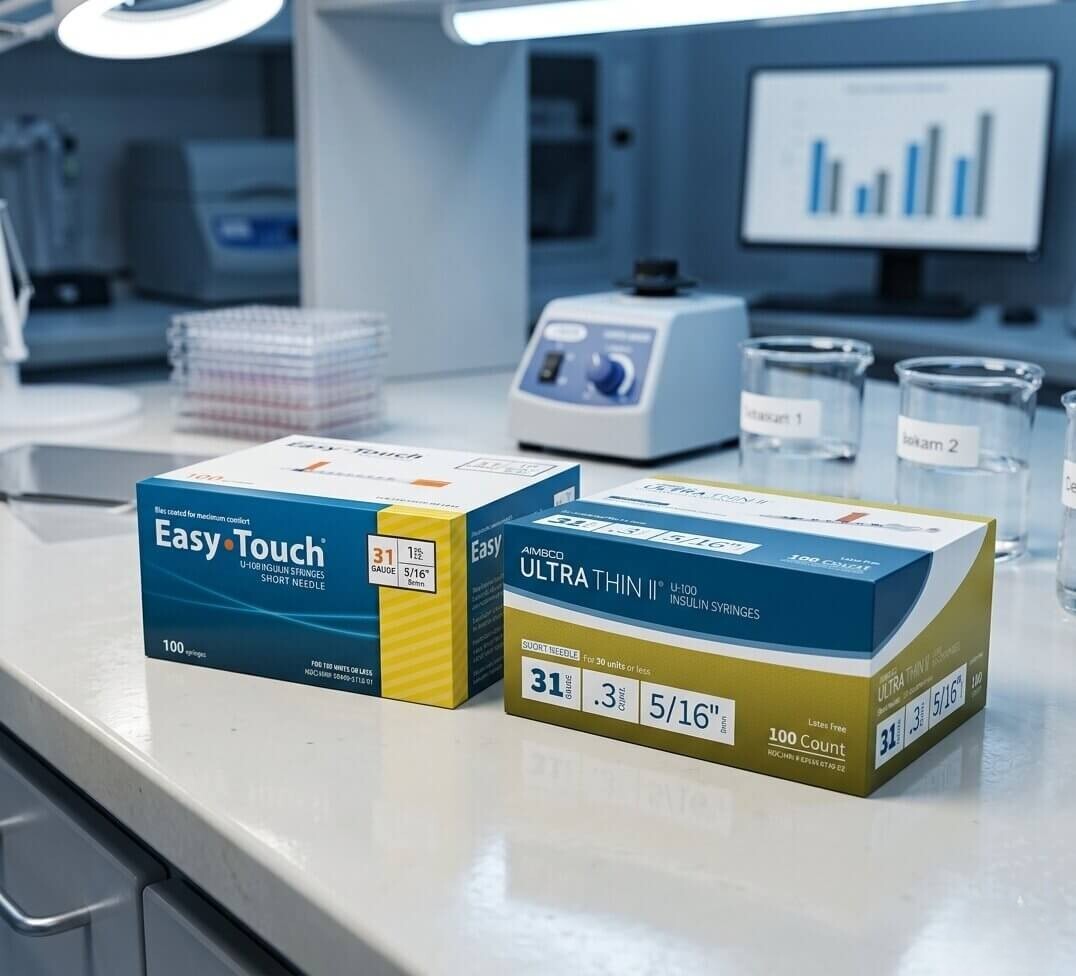
Bulk packaging reduces ordering frequency and simplifies inventory planning. Medical teams frequently select models like EasyTouch U-100 Syringes 31G. These products remain popular for insulin therapy and routine injection procedures.
Sterility Maintenance
Sterility remains the most critical requirement during syringe handling and storage. Manufacturers produce disposable syringes under strict sterile manufacturing conditions. Each syringe stays sealed individually to prevent contamination before clinical use.
Medical safety standards require opening sterile syringes immediately before administration. Healthcare teams follow strict procedures when placing a sterile syringe bulk order. Correct storage helps maintain product safety throughout its shelf life.
Many hospitals evaluate safety syringes vs standard syringes during procurement planning. Safety engineered syringes reduce needlestick injuries among healthcare professionals. These features also lower infection transmission risks in clinical environments.
Cost Per Unit Savings
Large healthcare facilities focus heavily on reducing operational supply costs. Procurement teams therefore prioritize purchasing wholesale medical syringes whenever possible. Bulk purchasing normally lowers prices through improved manufacturing efficiency.
Manufacturers save money through reduced packaging, shipping, and distribution efforts. These efficiencies generate measurable cost per unit syringe savings for hospitals. Even small price reductions significantly reduce long term medical supply expenses.
The United States syringes market reached about $7.56 billion during 2024. Experts predict market growth exceeding eighteen billion dollars by 2034. Healthcare providers often compare trusted products such as AIMSCO Ultra Thin II Syringes.
Storage Space and Organization
Bulk purchasing requires organized storage systems to maintain product integrity. Facilities must protect sterile packaging until syringes reach healthcare providers. Hospitals usually store supplies within temperature controlled medical storage rooms.
Supply cabinets and sterile storage shelves often hold sealed syringe cartons. Large hospitals rely on digital inventory systems tracking usage and supply levels. These systems help manage reliable syringe storage and expiration monitoring.
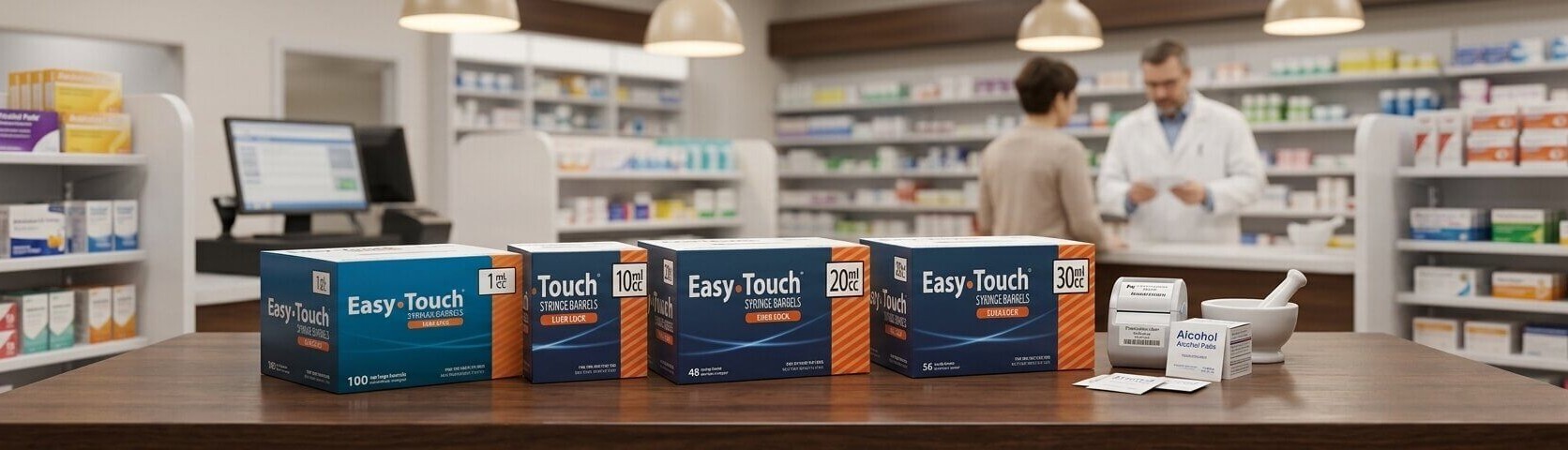
Organized inventory also improves efficiency during busy treatment schedules. Medical teams sometimes browse syringe barrels while planning compatible supply equipment. Structured storage planning helps maintain consistent medical supply availability.
Expiration Date Management
Sterile syringe packaging includes expiration dates ensuring long term sterility protection. Manufacturers clearly print expiration information on each supply carton. Healthcare teams regularly check inventory to avoid expired medical products.
Hospitals usually follow first in first out inventory rotation methods. FIFO rotation ensures older products receive usage before newer shipments. Accurate monitoring supports reliable syringe storage and expiration safety practices.
Facilities purchasing large quantities must carefully manage expiration tracking systems.
Climate Control
Environmental conditions influence the safety of stored medical supplies. Syringes must remain inside dry and temperature stable storage environments. Extreme humidity can weaken sterile packaging seals and product protection.
High heat may damage packaging materials protecting sterile syringe components. Healthcare facilities therefore maintain controlled storage areas for sterile equipment. Proper climate control helps protect large sterile syringe bulk order inventory.
Calculating 3–6 Month Supply
Healthcare organizations often maintain a planned 3-6 month syringe supply inventory. This strategy balances cost savings and expiration risks effectively. Facilities estimate supply needs using previous injection usage data.
Vaccination clinics often experience seasonal demand during immunization campaigns. Diabetes care programs require constant syringe availability for insulin therapy. Hospitals must also prepare for emergency treatments and surgical procedures.
Billions of injections occur annually across global healthcare systems. Reliable planning prevents shortages and ensures consistent patient treatment. Facilities often review inventory options within the needles and syringes collection.
Wholesale Options at Arpovo Health
Healthcare providers frequently rely on specialized distributors for medical supplies. These distributors offer reliable wholesale medical syringes for clinical operations. Suppliers typically provide multiple syringe sizes and packaging formats.
Many healthcare teams prefer centralized procurement systems for efficiency. Organizations often shop all medical supplies through trusted healthcare distributors. Reliable distributors also provide accessories including Hypodermic Needles.
Growing demand for injectable therapies continues expanding global syringe supply chains. Vaccination programs and chronic disease treatments drive this rising demand. Healthcare facilities increasingly buy syringes in bulk online for inventory stability.
Reliable syringe availability ensures safe and efficient healthcare procedures daily. Healthcare administrators carefully analyze injection frequency before procurement planning. Facilities also review storage capacity and expiration timelines during purchasing decisions.
Careful analysis helps organizations determine how many syringes to order confidently. Healthcare providers also review pricing benefits from cost per unit syringe savings. Maintaining a planned 3-6 month syringe supply supports consistent treatment availability.