
A Guide to PDI Sani-Cloth Bleach Wipes
Jan 2nd 2026
Surface contamination remains a major concern in the US healthcare system today. Hospitals deal daily with harmful germs that survive on beds, rails, desks, and medical tools. CDC data shows that one in thirty-one hospital patients faces infection risks daily. This serious number explains why strong disinfection matters so much for safety. Healthcare facilities are under an obligation to protect their patients, physicians, nurses, and visitors from harmful germs. Consequently, many facilities have to use stronger disinfectants that perform beyond the level of normal cleaning. Spaces with the highest risk such as ICU rooms, treatment rooms, and emergency departments are in need of the most powerful cleaning support. Strong wipes used for cleaning are not only faster but also safer and more dependable for trained health professionals.
Every hospital needs safe environments, clean surfaces, and trusted disinfecting tools daily. Routine cleaning alone cannot stop powerful germs that survive longer on shared healthcare equipment. Because of this risk, many facilities now trust bold, professional-grade disinfecting solutions. Many environments depend on trusted options like PDI Sani-Cloth Bleach Wipes for higher protection. These wipes support safe healthcare environments when contamination threats increase. They help facilities maintain better infection control and protect vulnerable patients effectively.
The Power of a Bleach-Based Disinfectant
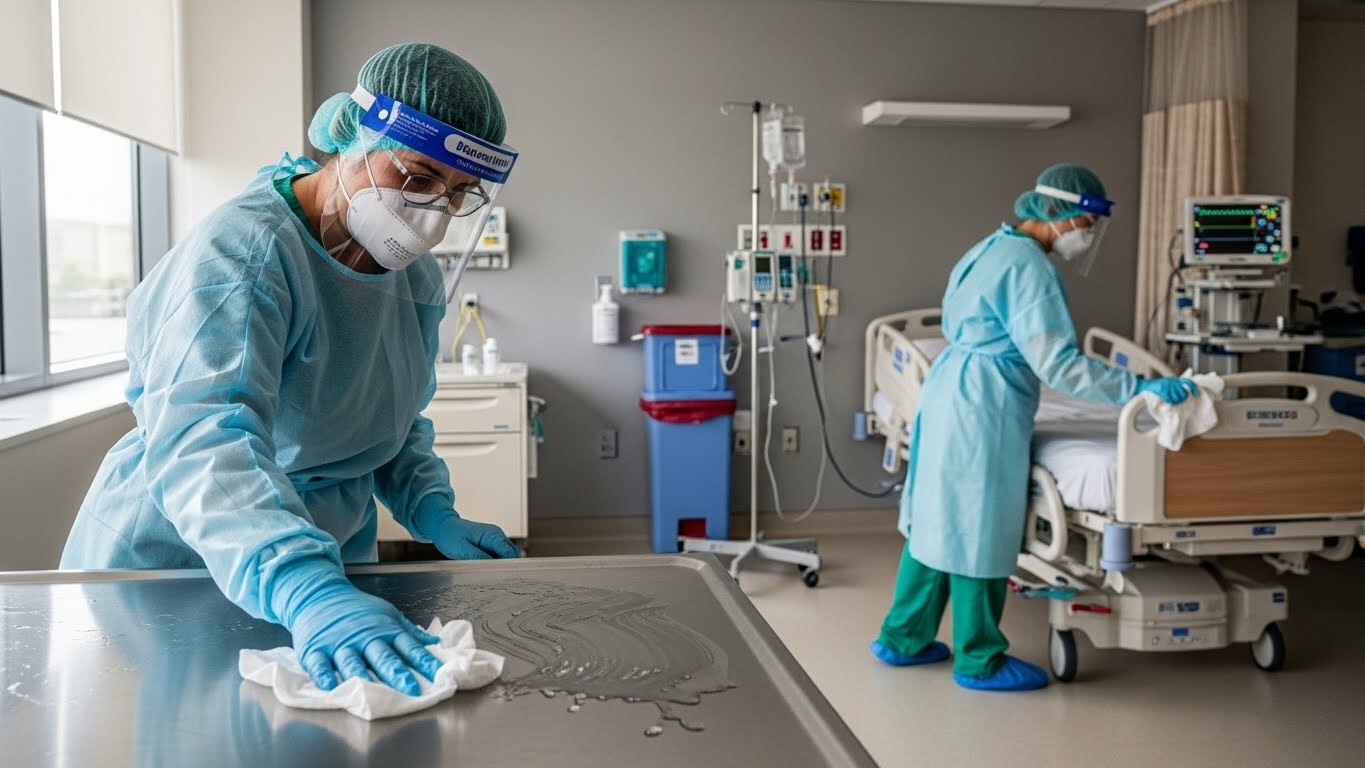
Bleach-based disinfectants offer strong protection against germs that standard wipes cannot handle. They work faster, penetrate better, and deliver stronger pathogen control than weaker cleaners. Sodium hypochlorite acts as the powerful ingredient inside pdi bleach wipes today. It destroys harmful microorganisms by breaking critical proteins inside each pathogen cell. This reaction quickly leads to the inactivation of viruses, bacteria, and other strong germs. Healthcare environments value this power because some germs resist ordinary disinfectants completely. The bleach-based wipes help provide extra strength when infection control must reach higher standards.
These wipes support infection control programs alongside other preventive measures like gloves and masks. When teams combine disinfecting wipes and protective gear, environments become much safer. Bleach-based solutions support confidence in cleaning protocols and everyday healthcare hygiene. Their advanced design supports wipe convenience with strong disinfecting chemistry required in hospitals. This makes PDI Sani-Cloth bleach a trusted choice in demanding healthcare settings.
When Are Bleach Wipes Necessary?
Bleach wipes are not used everywhere because they serve special heavy-duty purposes. They are normally chosen when stronger disinfecting action is clearly necessary. Healthcare guidance in the US recommends bleach cleaning during risky clinical exposure situations. These wipes are valuable in isolation rooms where infections can easily spread. They are also helpful during known outbreak events within healthcare environments. Teams also use them for post-exposure cleanup after contamination incidents near patients.
The bleach-based wipes become especially important when alcohol wipes or quaternary ammonium wipes fail. Some pathogens survive normal cleaners and need stronger solutions for complete removal. That is why many critical situations now depend on reliable bleach disinfectants. These wipes support surfaces that experience higher-risk contamination during clinical care. Their role protects life, health, and patient wellbeing inside treatment spaces daily.
Combating C. diff Spores and Norovirus
Some germs present much higher resistance than common pathogens inside hospitals. C. diff spores and norovirus represent two extremely serious infectious threats in healthcare. These organisms survive on hospital surfaces for weeks or even months without dying. C. diff contributes to hundreds of thousands of infections every year in the US. The spores can remain active on surfaces even after normal cleaning attempts fail.
The bleach-based wipes deliver proven effectiveness against such powerful healthcare pathogens when used correctly. Their formula supports surface disinfection when other wipes cannot neutralize strong germs. Correct use requires proper wiping coverage and accurate contact time for full effect. That is why sani-cloth bleach wipes are recognized for these demanding uses. They support healthcare efforts that need the strongest level of environmental hygiene.
How They Compare to Standard Clorox or Quat Wipes
Many disinfectant wipes rely only on quaternary ammonium or weaker cleaning ingredients. Those wipes can clean daily dirt and control basic everyday germs effectively. They work great for routine environments but often cannot stop stronger pathogens. Spores and non-enveloped viruses sometimes remain active after weaker wipes finish cleaning.
In contrast, bleach wipes offer greater power for high-risk healthcare scenarios. Their chemistry handles pathogens that basic cleaning wipes leave behind on surfaces. That makes bleach wipes more suitable for severe contamination environments. Just like bleach germicidal or prime germicidal wipes, they fill critical roles. They exist alongside alcohol wipes and super-strength disinfectants for different clinical needs.
Healthcare teams must therefore choose disinfectants based on risks and the environmental type carefully. That is why professionals choose pdi bleach wipes in demanding clinical conditions. Stronger cleaning performance supports safer workplaces where patient care happens constantly. Some people even discuss and compare thieves to Clorox wipes, but healthcare environments always prefer medical-grade strength for safety. Facilities also evaluate clorox non bleach vs bleach wipes hv2 options to understand disinfection effectiveness differences.
Safety Precautions When Using Bleach Wipes
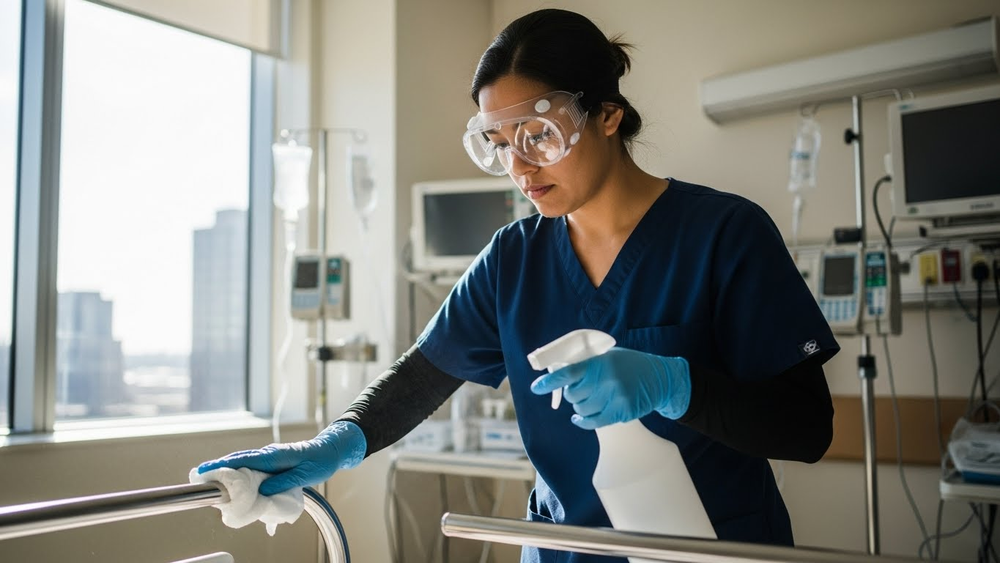
The bleach-based wipes require careful attention because strong disinfectants need responsible handling. OSHA guidance recommends using gloves during cleaning with bleach-based disinfectants. Eye protection becomes important for long cleaning tasks to reduce irritation risk. Safe environments also need good ventilation because fumes may bother the respiratory system. Workers should not rush cleaning because the correct time ensures full germ destruction.
Proper disposal helps prevent environmental harm and reduces accidental surface exposure risks. Healthcare teams should also check surface compatibility before regular cleaning begins. Some sensitive materials may not tolerate chlorine ingredients and need different products. Responsible cleaning protects both healthcare workers and equipment during daily operations. Training and awareness ensure bleach wipes support health instead of causing complications.
Conclusion
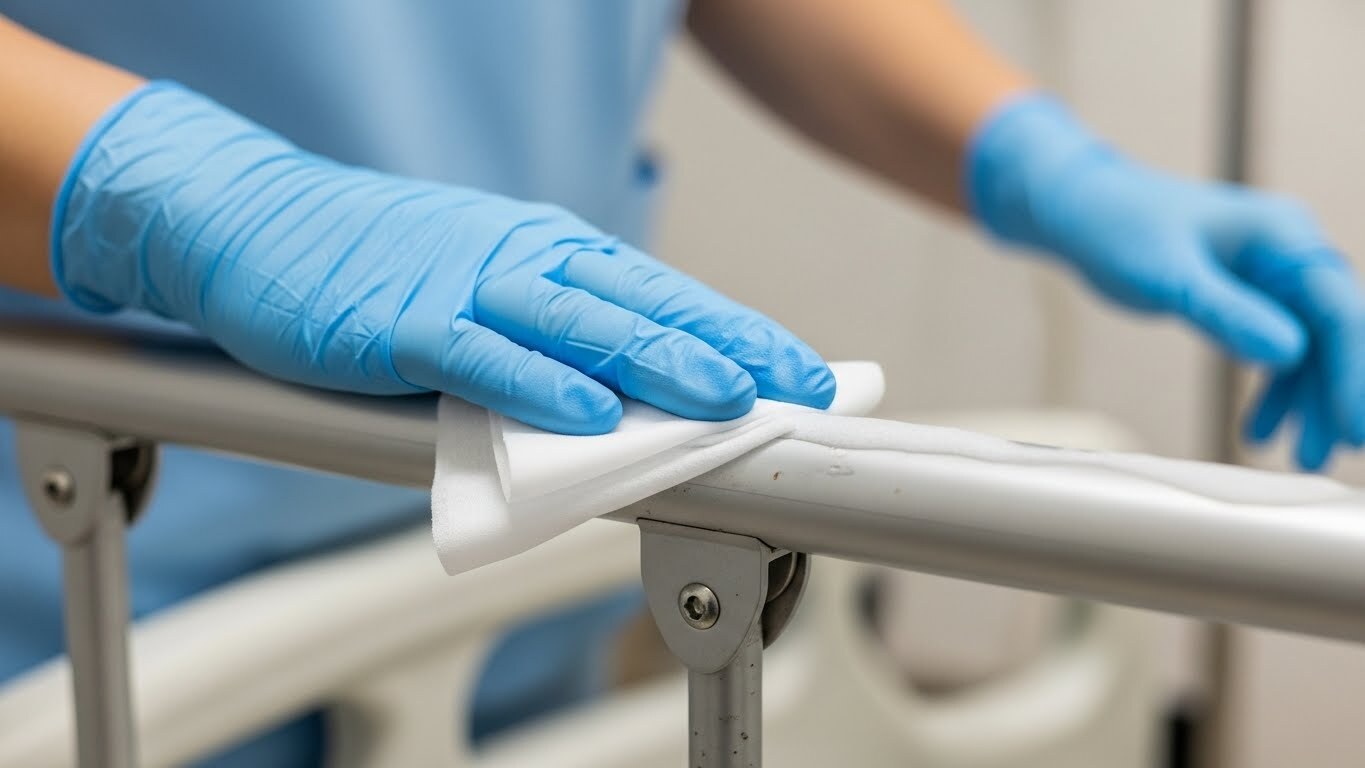
Bleach disinfecting wipes play a targeted but extremely important role in infection control. They are not solutions for everyday simple cleaning because they serve stronger needs. When healthcare environments face tough and resilient microorganisms, bleach wipes become essential. They help protect facilities when heavy pathogen control becomes necessary inside clinical environments. Their structured use supports safer patient areas and stronger infection prevention routines daily.
Understanding when and why bleach disinfectants are needed helps healthcare teams make smarter decisions. Caregivers and medical facilities can choose effective cleaning tools without unnecessary chemical exposure. Knowledge supports safer environments, stronger protection, and healthier patient care routines every day.